

Nyako Exposed

Nyako Explicit Video Expose

Nyako Explicit Video Expose – In a recent interview, controversial TikToker Vincent Mboya talked with Nyako, formerly a commercial sex worker in Kenya, who bravely opened up about her past experiences and the challenges she faced. While Nyako, whose real name is Rose Atieno, found herself exposed online, it’s crucial to approach her story with empathy and understanding, acknowledging the complexity of her journey. Nyako revealed that her peers christened her during her time as a sex worker in Kenya, shedding light on the stigmatization and harsh realities individuals in this profession face. Using a pseudonym like ‘Nyako’ reflects not only anonymity but also the protective shield sex workers often employ to navigate a world that tends to judge without understanding. Recognizing the vulnerability inherent in sharing such personal details is essential. Nyako’s decision to speak out may have been prompted by a desire to break free from the shadows of her past, dispel societal misconceptions, and shed light on the harsh realities faced by sex workers. Nyako Exposed Video However, the video circulating online, reportedly showing Nyako engaging in explicit activities, raises concerns about consent and privacy. As consumers of online content, exercising responsibility is crucial, refraining from sharing explicit material without consent and respecting individuals’ right to control their narratives. While Nyako’s journey from Kenya to Germany may have provided her with opportunities for change and growth, the challenges she faced as a sex worker are emblematic of a broader societal issue. Sex workers often encounter judgment, discrimination, and limited access to support systems. Navigating discussions surrounding Nyako’s story is paramount, approaching the narrative with empathy and recognizing her agency in shaping her own identity, acknowledging the societal factors that may have influenced her choices. Conclusion In conclusion, Nyako’s disclosure about her past as a sex worker demands a nuanced and compassionate understanding. Rather than perpetuating judgment or sharing explicit content without consent, fostering an environment of empathy and support for individuals like Nyako who choose to share their stories contributes to dismantling stigmas and fostering a more compassionate society that embraces the complexities of individual journeys. Contact Us: Website:  – Click HereWhatsApp | Call: +254 743 149 267 | + 254 738 352 258Email Address: info@beseenlimited.com | sales@beseenlimited.comFollow our IG: @TrendBlendHubKe

Read More
Irrigation Farming in Kenya

Innovative Irrigation Farming for Sustainable Agriculture in Kenya

Irrigation Farming – Kenya, like many other nations, faces the constant challenge of ensuring food security for its growing population. A pivotal solution lies in optimizing irrigation practices, harnessing water resources efficiently to maximize agricultural output. This article delves into best irrigation practices that can revolutionize Kenya’s agricultural landscape, fostering sustainable food production. Drip Irrigation Systems Drip irrigation stands out as a highly efficient method, delivering water directly to the plant’s root zone. In Kenya, where water scarcity is a concern, this method minimizes wastage by providing controlled and targeted irrigation. Farmers can adopt modern drip systems with automated controls, ensuring precise water distribution while conserving this precious resource. Conservation Agriculture Incorporating conservation agriculture practices alongside irrigation can enhance overall productivity. Techniques like minimal tillage, cover cropping, and crop rotation improve soil structure, reduce erosion, and enhance water retention. These practices, coupled with strategic irrigation, contribute to sustained agricultural growth, mitigating environmental impact. Rainwater Harvesting Kenya experiences seasonal rainfall variations, making rainwater harvesting a critical component of sustainable agriculture. Farmers can invest in rainwater collection systems, such as rooftop harvesting and small-scale reservoirs. Utilizing collected rainwater during dry periods complements irrigation efforts, reducing dependency on external water sources. Smart Irrigation Technologies Modernizing irrigation with smart technologies can significantly boost efficiency. Soil moisture sensors, weather forecasting tools, and automated irrigation systems help farmers make informed decisions. By aligning irrigation schedules with actual crop needs and weather conditions, farmers optimize water usage and enhance overall productivity. Efficient Water Management Implementing water management practices, such as canal lining and leveling, minimizes water losses due to seepage and uneven distribution. Adequate maintenance of irrigation infrastructure ensures that water reaches crops consistently, preventing unnecessary losses and maximizing agricultural yield. Agroforestry Integration Integrating agroforestry into irrigation practices contributes to holistic land management. Planting trees alongside crops helps in moisture retention, reduces soil erosion, and provides additional income through the sale of timber and non-timber forest products. This integrated approach fosters sustainable agricultural practices in Kenya. Crop Selection and Rotation Choosing suitable crops for specific regions and practicing crop rotation are essential aspects of efficient irrigation. Understanding the water requirements of different crops enables farmers to optimize irrigation schedules and resource allocation. Crop rotation minimizes soil depletion, promotes nutrient balance, and mitigates the risk of pests and diseases. Community-Based Irrigation Schemes Encouraging community-based irrigation schemes fosters collective responsibility and resource management. Farmers can collaborate to construct and maintain irrigation infrastructure, share knowledge, and collectively address water scarcity challenges. Such schemes empower local communities, creating a foundation for sustainable agriculture. Conclusion:Kenya’s journey towards food security hinges on adopting and implementing sustainable irrigation practices. Drip irrigation, conservation agriculture, rainwater harvesting, smart technologies, water management, agroforestry, and community-based approaches collectively form a robust strategy. As Kenya navigates its agricultural landscape, prioritizing these practices will not only enhance food production but also ensure the long-term sustainability of the nation’s agricultural sector. Embracing innovation, collaboration, and conservation will pave the way for a thriving and resilient future in Kenyan agriculture. Contact Us: Website:  – Click HereWhatsApp | Call: +254 743 149 267 | + 254 738 352 258Email Address: info@beseenlimited.com | sales@beseenlimited.comFollow our IG: @TrendBlendHubKe

Read More
Kenyan Artists Clash With Ezekiel Mutua Over Music Royalties

Kenyan Artists Clash With Ezekiel Mutua Over Music Royalties

Kenyan Artists Clash With Ezekiel Mutua – In a recent candid discussion on Citizen TV, Kenyan artists found themselves in a heated exchange with Ezekiel Mutua, the Chief Executive Officer (CEO) of the Music Copyright Society of Kenya (MCSK). The focal point of contention was the intricate issue of royalty disbursement, a long-standing challenge within the Kenyan music industry that demands careful examination. Shizo, a contemporary artist hailing from Western Kenya, voiced his frustration as a member of MCSK, revealing that the society had not compensated him for his hit song ‘Rhoda.’ The track had garnered substantial attention across various media platforms, including popular TikTok challenges. Nonini Mgenge2Ru Nonini, accentuated a prevailing concern – that MCSK and other Collective Management Organizations (CMOs) were seemingly neglecting directives from the government and the regulatory body, the Kenya Copyright Board (KECOBO). He asserted that KECOBO mandates CMOs to allocate 70% of collected royalties to artists, a directive purportedly ignored by these organizations. Nonetheless, he raised the alarm about artists reportedly earning a meager Ksh.100,000, significantly less than what their artistic endeavors merit. He underscored that many artists under his representation had not received equitable compensation, despite their music enjoying extensive airplay. Ezekiel Mutua Defended MCSK In response, Ezekiel Mutua defended MCSK, stating that the society had issued a memorandum delineating the timeline for royalty disbursement. The process, he noted, was in progress from January 25th to March 29th. However, he clarified that MCSK had not officially cataloged Shizo’s song ‘Rhoda,’ rendering it ineligible for royalties. Mutua elucidated that MCSK does not remunerate artists for TikTok or YouTube, underscoring the imperative for artists to declare their works to receive due compensation. He clarified that royalties are claim-based for undeclared songs, necessitating artists to furnish a catalogue from stations for verification. Despite these explanations, some artists expressed dissatisfaction, contending that the royalties received did not commensurate with the production costs of their projects. Others, especially those from remote regions like Kajiado and Samburu, conveyed a lack of comprehension regarding MCSK operations. Ziki Ziki, in particular, lamented the perceptible gap between production expenses and the royalties artists receive, attributing the issue to what she deemed as KECOBO’s shortcomings. In response, Sharon Wata, KECOBO’s Assistant Executive Director, extended apologies for any grievances and clarified that KECOBO does not directly collect royalties for artists. Recognizing the efforts of the Kenya Kwanza administration and President William Ruto in acknowledging the importance of the creative space, Rufftone questioned why MCSK had not actively engaged artists from remote areas. He proposed a strategy to familiarize them with the organization, facilitating their participation and benefiting from their artistic endeavors. While Mutua defended the expectation that artists should be aware of the existing organizational structures, likening it to an athlete in rural areas understanding Athletics Kenya, he acknowledged the need for improvement. Mutua disclosed plans to deploy technology that would offer artists real-time information on their earned royalties, fostering transparency and efficiency while reducing costs. Conclusion In conclusion, the spirited discussion brought to the forefront the intricate challenges faced by Kenyan artists in securing fair compensation for their creative contributions. While acknowledging dissatisfaction with the current system, the conversation underscored ongoing efforts to address these concerns through enhanced transparency and technological innovations in the royalty disbursement process. The collective dialogue highlights the critical need for collaborative initiatives between artists, regulatory bodies, and CMOs to forge a fair, sustainable, and thriving music industry in Kenya. Contact us Website:  – Click HereWhatsApp | Call: +254 743 149 267 | + 254 738 352 258Email Address: info@beseenlimited.com | sales@beseenlimited.comFollow our IG: @TrendBlendHubKe
Read More
Embakasi Fire

Embakasi Tragic Fire Strikes Children’s Home

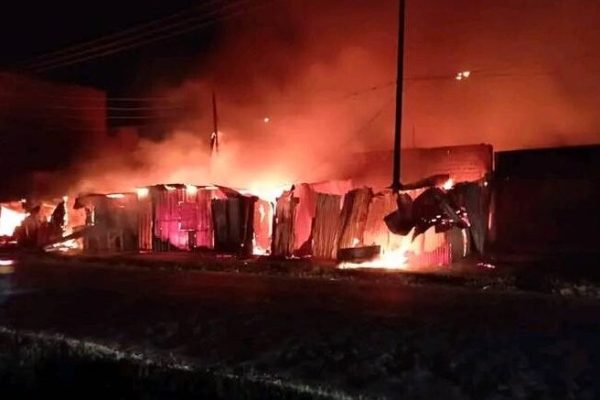
Embakasi Tragic Fire – In a distressing turn of events, less than a month since the tragic gas plant explosion in Embakasi that claimed seven lives, another devastating incident unfolded in Mradi area. Embakasi East MP, Babu Owino, formerly known as Paul Ongili, disclosed the heartbreaking news that a fire had erupted in a children’s home, reducing the entire facility to ashes. The Incident The incident occurred around midnight, and while the cause of the fire remains undetermined, the impact has been described as severe. A video circulating on social media captured the harrowing sight of a massive blaze engulfing the premises of the children’s home, yet the full extent of the damage is still awaiting assessment. This unfortunate event adds to the recent spate of tragedies, with memories of the gas plant explosion still fresh in the minds of residents. The gas plant incident, which occurred less than a month ago, resulted in the loss of seven lives and raised significant concerns about safety protocols in the area. Embakasi East MP Babu Owino expressed his sorrow over the incident, emphasizing the urgent need for a thorough investigation into the cause of the fire. He called for collective efforts to prevent such disasters, stressing the importance of heightened safety measures in public facilities. Nairobi Governor Johnson Sakaja The timing of this incident is particularly poignant, coming just hours after Nairobi Governor Johnson Sakaja visited a team of firefighters who sustained injuries while responding to a collapsed wall in Kariobangi. The dedication and sacrifice of these firefighters highlight the challenges faced by emergency responders in the line of duty. The broader community is grappling with the implications of yet another tragic incident, prompting renewed discussions on safety standards, emergency response readiness, and the need for preventative measures. Questions about the state of firefighting infrastructure and resources are surfacing, urging authorities to reassess and reinforce safety protocols. Mourning Community As the community mourns the loss and destruction caused by the fire, there is a collective call for accountability and action. It is imperative for local authorities to conduct a swift and thorough investigation into the cause of the fire, implement necessary safety measures, and provide support to those affected. In times like these, solidarity and community engagement become paramount. It is crucial for residents, leaders, and relevant authorities to work together to prevent future tragedies and ensure the safety and well-being of the community. The recent incidents underscore the critical need for a comprehensive and proactive approach to safety management, not only in Embakasi but across all communities. Contact Us: Website:  – Click HereWhatsApp | Call: +254 743 149 267 | + 254 738 352 258Email Address: info@beseenlimited.com | sales@beseenlimited.comFollow our IG: @TrendBlendHubKe
Read More
poultry farming in kenya

Profitable Poultry Farming Guide

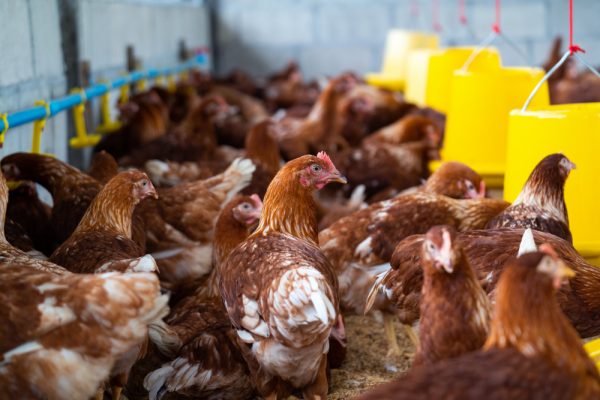
Poultry Farming Guide – Embarking on a poultry farming venture can be a rewarding and profitable endeavor when approached with careful planning and dedication. Whether you’re a novice or an experienced farmer, the key to success lies in understanding the essential steps involved in establishing and managing a thriving poultry farm. In this comprehensive guide, we’ll walk you through the crucial steps to ensure a successful and profitable poultry farming operation. Research and Planning Before diving into poultry farming, conduct thorough research on different poultry breeds, farming methods, and market demands. Outline a detailed business plan that includes your goals, budget, and projected profits. Identify your target market, assess competition, and factor in future expansion plans. Choose the Right Poultry Breed Selecting the appropriate poultry breed is a pivotal decision. Factors such as egg-laying capacity, meat quality, resistance to diseases, and adaptability to local climate conditions should be considered. Popular choices include layers for egg production and broilers for meat. Secure Adequate Land and Housing Ensure you have sufficient land for your poultry farm, allowing for future expansion. Construct well-ventilated and spacious housing to accommodate your chosen poultry breed. Adequate spacing, proper flooring, and efficient waste management are crucial for the health and productivity of your flock. Quality Feeding Invest in high-quality and nutritionally balanced poultry feed. Consult with a nutritionist to formulate a diet that meets the specific needs of your poultry. Adequate feeding is vital for growth, egg production, and overall health. Regularly monitor and adjust the feeding regimen based on the age and type of poultry. Hygiene and Disease Control Implement strict biosecurity measures to prevent the spread of diseases. Maintain a clean and sanitized environment, and quarantine new birds before introducing them to the flock. Schedule regular vaccinations and health check-ups to ensure a disease-free poultry farm. Proper Breeding Management If you plan to breed your poultry, adopt efficient breeding management practices. Monitor the reproductive health of your flock, select breeding pairs carefully, and provide optimal conditions for successful hatching. Proper breeding management ensures a steady supply of replacements and potential income from selling chicks. Record Keeping Maintain detailed records of your poultry farm operations, including expenses, revenues, and health data. Analyze these records regularly to identify areas for improvement, track the performance of individual birds, and make informed business decisions. Marketing and Sales Develop a strategic marketing plan to promote your poultry products. Utilize online platforms, local markets, and partnerships with retailers or restaurants. Offer competitive pricing and highlight the quality of your eggs or meat. Building a strong brand presence can contribute significantly to your poultry farm’s profitability. Scale Gradually and Diversify Start small and scale your poultry farm gradually. As you gain experience and confidence, consider diversifying your products or expanding your flock. Explore opportunities for value-added products such as organic eggs or specialty poultry breeds that may have higher market demand. Continuous Learning and Adaptation Stay informed about advancements in poultry farming, industry trends, and best practices. Attend workshops, engage with fellow farmers, and leverage technology to optimize your operations. Being adaptable to change and continuously seeking improvement will position your poultry farm for long-term success. Conclusion: Establishing a profitable poultry farm requires dedication, knowledge, and strategic planning. By following these essential steps, you can create a sustainable and successful poultry farming operation. Remember that continuous learning, adaptability, and a commitment to maintaining high standards in hygiene and care are key to achieving long-term profitability in the poultry industry. Contact Us: Website:  – Click HereWhatsApp | Call: +254 743 149 267 | + 254 738 352 258Email Address: info@beseenlimited.com | sales@beseenlimited.comFollow our IG: @TrendBlendHubKe

Read More