Urban Small-Scale Smart Farming in Nairobi

Urban Small-Scale Smart Farming in Nairobi

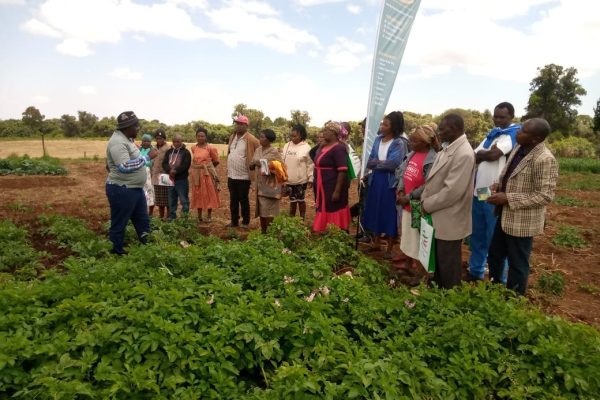
Urban small-scale smart farming has gained momentum in Kenya, especially in Nairobi and other fast-growing towns. As food prices continue to rise, more families adopt creative methods to grow vegetables at home. By using limited spaces like balconies, backyards, and rooftops, urban dwellers now cultivate fresh produce using innovative techniques such as sack farming, bucket farming, and pipe systems filled with soil. This movement is transforming urban lifestyles, improving nutrition, and reducing dependence on expensive and sometimes unsafe market vegetables. Why Urban Families Are Turning to Smart Farming The shift to small-scale smart farming in urban areas comes from several critical factors. First, families want to cut costs by producing their own vegetables. Prices of sukuma wiki, spinach, onions, and tomatoes fluctuate regularly in Nairobi markets, straining household budgets. Second, many Kenyans worry about food safety. Reports show that some rural farmers apply harmful pesticides, which the government has strongly discouraged. By producing vegetables at home, families control farming practices, reduce chemical exposure, and enjoy healthier food. Innovative Farming Techniques in Small Urban Spaces Urban farmers use various methods to maximize limited spaces: These smart techniques give urban families the opportunity to grow enough vegetables even without traditional farmland. Benefits of Urban Smart Farming The benefits of adopting small-scale smart farming in Nairobi go beyond just saving money. Families experience: Government and Community Support The Kenyan government continues to promote urban farming as a way to ease food shortages and reduce reliance on imported or chemically treated produce. Nairobi County, for example, has encouraged families to adopt sack farming and other urban-friendly methods. Non-governmental organizations and agricultural groups also support families by offering training, seeds, and simple irrigation systems. Community-based initiatives help spread knowledge of smart farming practices. Families learn how to make compost from kitchen waste, harvest rainwater for irrigation, and use organic pest control methods. This knowledge ensures farming remains sustainable and environmentally friendly. Role of Smart Farming in Food Safety Food safety concerns drive much of the growth in urban smart farming. Many families remain cautious about vegetables from rural areas because of pesticide misuse. The government has issued warnings and banned certain chemicals, but enforcement challenges remain. As a result, Nairobi residents prefer producing their own vegetables, where they decide how to manage pests and soil health. This practice boosts confidence in the food consumed daily, especially for children. Economic Opportunities for Urban Farmers Besides providing food for the household, urban smart farming creates economic opportunities. Some families produce surplus vegetables and sell them within their neighborhoods. Fresh, organic vegetables attract buyers looking for safe and healthy food. Sack farms with sukuma wiki or spinach can produce enough for both home use and small-scale sales. As more households adopt this approach, micro-economies around urban farming continue to emerge across Nairobi. Smart Irrigation and Technology Integration Technology now plays an essential role in urban farming. Drip irrigation systems, for instance, allow families to conserve water while keeping crops healthy. Simple solar-powered pumps provide affordable irrigation, especially during dry seasons. Some urban farmers also use mobile apps to learn best practices, access market information, and connect with suppliers of organic seeds. These integrations make farming more efficient, even in small urban spaces. Growing Trend Across Urban Kenya Although Nairobi leads in small-scale smart farming adoption, other towns such as Mombasa, Kisumu, Nakuru, and Eldoret are quickly embracing the trend. Families in apartments and estates recognize the importance of food self-sufficiency, especially when supply chains face disruptions. By creatively using every available space, Kenyans continue to show resilience and innovation in addressing food challenges through urban farming.

Read More
Improving Farming and Farm Yield in Kenya

Improving Farming and Farm Yield in Kenya

Agriculture drives Kenya’s economy, supporting more than 40% of the population and over 70% of rural households. Farming plays a vital role in food security, employment creation, and economic growth. However, many farmers face challenges such as climate change, poor soil fertility, and limited access to modern farming inputs. To improve farming and farm yield, Kenyan farmers must adopt smart practices, use quality seeds, and embrace clean energy solutions like solar water pumps. Farming in Kenya: Opportunities and Challenges Kenya’s farming landscape includes both small-scale subsistence farming and large-scale commercial agriculture. Farmers grow staples such as maize, beans, sorghum, and potatoes, alongside cash crops like tea, coffee, and horticulture. Yet, many still record low yields compared to global averages. For instance, maize yields average only 1.6 tons per hectare, while countries using advanced seed varieties and irrigation record up to 4.9 tons per hectare. The low yields stem from inadequate water access, unpredictable weather, and the use of poor-quality seeds. Therefore, investing in high-yielding, drought-tolerant seed varieties and reliable irrigation systems becomes essential. Importance of Using Quality Seeds Seeds play the most critical role in determining crop performance and yields. Farmers who choose high-quality seeds achieve better germination rates, resistance to diseases, and higher productivity. In Kenya, several leading seed companies provide farmers with improved varieties suited for different regions and climates. Some of the most trusted seed providers include: By choosing seeds from reputable companies, farmers reduce risks and increase profitability. For example, using drought-resistant maize hybrids from Syngenta or Bayer helps farmers in semi-arid areas maintain stable harvests even during dry seasons. The Impact of Farming on Kenya’s Economy Farming contributes directly to 33% of Kenya’s GDP and indirectly through trade, manufacturing, and transport. It also provides income for millions of smallholder farmers. When farmers improve yields, they increase household income, ensure food security, and strengthen local economies. Surplus produce creates opportunities for agribusiness, storage, and export, further boosting Kenya’s economic resilience. Benefits Farmers Gain from Good Harvests Pathways to Improving Farming and Farm Yield Farmers in Kenya can sustainably increase yields by combining modern technology with quality inputs. Some key strategies include: Farming, Yields, and the Future of Food Security With Kenya’s population expected to grow rapidly, food demand will continue to rise. Farmers who invest in quality seeds from trusted providers, adopt irrigation solutions, and embrace sustainable practices will secure better yields and higher incomes. By combining clean energy solutions, smart irrigation, and improved seeds, Kenya can achieve food security while empowering farmers for long-term success. Farming in Kenya is more than just planting crops—it is the foundation of economic growth, community resilience, and national prosperity. By improving farming and farm yield, farmers unlock opportunities for wealth creation, sustainability, and a brighter future.

Read More
Sustainable Farming Through Smart Irrigation

Sustainable Farming Through Smart Irrigation

Farming continues to face pressure from climate change, rising food demand, and limited water resources. To overcome these challenges, farmers need solutions that balance productivity with sustainability. Smart irrigation offers that balance by helping farmers use water more efficiently while protecting the environment. Efficient Use of Water Smart irrigation systems supply water only when crops actually need it. Sensors measure soil moisture, weather conditions, and crop requirements in real time. As a result, farmers deliver the right amount of water directly to the roots. This approach prevents overwatering, conserves water, and ensures healthier crops. Reduced Costs and Higher Yields By managing water precisely, farmers lower costs associated with pumping and irrigation. Traditional methods often waste energy and water, but smart irrigation eliminates unnecessary use. Farmers save money on electricity or fuel while improving crop quality and yields. With higher output and reduced costs, profitability in farming increases significantly. Integration With Clean Energy The combination of smart irrigation and clean energy strengthens farming sustainability. Solar-powered pumping systems provide reliable water supply without depending on costly electricity or fuel. Farmers not only reduce their expenses but also cut carbon emissions. This integration helps create eco-friendly farming practices that support both present and future generations. Supporting Smart Agriculture Smart irrigation forms a key part of smart agriculture. Farmers can monitor and control systems through mobile apps or automated controllers. This technology gives them flexibility to adjust water usage anytime, ensuring crops stay healthy even during unpredictable weather. Moreover, farmers gain valuable data that guides better farming decisions over time. Benefits for Communities When farmers adopt smart irrigation, entire communities benefit. Reliable water management boosts food security, supports local economies, and reduces pressure on shared water resources. With sustainable farming practices in place, rural communities build resilience against droughts and climate change. In turn, families enjoy better livelihoods and access to affordable food. Conclusion Sustainable farming requires innovative solutions, and smart irrigation provides exactly that. By combining technology with clean energy, farmers use water wisely, reduce costs, and protect the environment. The shift toward smart irrigation secures higher yields and long-term sustainability. Farmers who adopt these systems today invest in a brighter, water-smart future tomorrow.

Read More
Down Town Agrovet

Empowering Farmers with Quality Supplies: New Down Town Seed

New Down Town Seed, an established agrovet based in Mwea, Kenya, plays a significant role in supporting farmers and agricultural enterprises throughout the region. As a trusted source for high-quality seeds, fertilizers, and various agrovet products, New Down Town Seed has developed a reputation for its reliability, extensive product range, and commitment to customer service. In an industry that demands both quality and knowledge, New Down Town Seed stands out for its dedication to the agricultural community in Kenya, making it a preferred choice among farmers and agrovets alike. Contact Us:+254 727 811 732 | +254 705 582 489info@newdowntownscs.co.kewww. newdowntownscs.co.ke Comprehensive Range of Agricultural Products New Down Town Seed offers an impressive selection of agricultural products, ensuring that farmers have access to everything they need to maintain productive, healthy farms. The agrovet provides a diverse assortment of seeds, from staple crops like maize and beans to specialized vegetable seeds that support various crop rotations and yield goals. Additionally, the agrovet supplies premium fertilizers tailored to different crops, ensuring that plants receive the nutrients necessary for optimal growth. Beyond seeds and fertilizers, New Down Town Seed stocks essential pest control products, animal health supplies, and soil health enhancers, recognizing that effective farming requires more than just basic supplies. By carrying a comprehensive selection of agrovet products, the company supports the various needs of farmers and agrovets throughout Kenya, helping them maintain both crop and livestock health. Why Farmers Choose New Down Town Seed With so many options for agrovet suppliers, farmers continue to choose New Down Town Seed for its quality assurance, competitive pricing, and customer-centric approach. Every product stocked undergoes a rigorous selection process, ensuring that only top-quality items reach customers. This emphasis on quality gives farmers confidence that the products they invest in will deliver results, contributing to stronger yields and healthier livestock. The agrovet’s pricing structure reflects a commitment to accessibility, helping farmers maximize productivity without stretching their budgets. Whether sourcing seeds for a small family farm or purchasing bulk fertilizers for a larger operation, farmers can rely on New Down Town Seed to deliver value. A Knowledgeable, Friendly Team Ready to Help One of the defining features of New Down Town Seed is its team of friendly, knowledgeable staff members who prioritize customer support. Agriculture can be complex, with unique challenges arising from soil types, climate conditions, and crop selection. The agrovet’s staff are highly trained to guide farmers through these variables, offering advice and recommendations that align with each customer’s specific needs. The New Down Town Seed team goes beyond simply selling products; they take the time to understand each customer’s objectives and challenges. This hands-on support fosters long-term relationships with clients, who appreciate the personalized service and expert insights they receive. The team’s commitment to guiding clients is especially beneficial for newer farmers who may need help understanding optimal planting schedules, fertilizer application, or pest control strategies. A Trusted Partner in Agricultural Success New Down Town Seed has earned its position as a trusted partner to the agricultural community, not just through its products but through its overall commitment to customer success. The agrovet actively participates in the local community, offering workshops, demonstrations, and product trials to educate farmers on the latest agricultural techniques and products. By creating a platform for farmers to learn and grow, New Down Town Seed strengthens the broader agricultural community in Mwea and beyond. Farmers are more confident in sourcing from New Down Town Seed because they know they are receiving products backed by expertise and a vested interest in their success. This agrovet’s commitment to supporting the entire agricultural cycle—sourcing, planting, growing, and harvesting—establishes it as a partner rather than just a supplier. Why You Should Consider New Down Town Seed Choosing New Down Town Seed means choosing a supplier that understands and prioritizes your success. For both farmers and other agrovets looking to source from a reliable supplier, New Down Town Seed offers quality products, competitive pricing, and knowledgeable support. The agrovet’s focus on building relationships with customers makes it a standout choice in the industry, and its dedication to quality and community engagement ensures that clients can depend on its products and advice for the long term. In addition to a friendly team and a broad selection of products, New Down Town Seed distinguishes itself by its adaptability and responsiveness to Kenya’s evolving agricultural landscape. The agrovet continually updates its stock to reflect the latest advancements in agricultural science, ensuring that farmers have access to new products that enhance efficiency and sustainability. This forward-looking approach positions New Down Town Seed as a leader in Kenya’s agrovet industry, committed to empowering farmers for lasting success. Commitment to Kenya’s Agricultural Future New Down Town Seed’s commitment to the agricultural future of Kenya is evident in everything it does. The company believes in empowering farmers and communities, offering not only products but support, training, and knowledge. This dedication ensures that New Down Town Seed customers are well-equipped to meet the challenges of modern farming, from climate variability to pest management and beyond. For farmers and agrovets across Kenya, New Down Town Seed remains a trusted partner in every phase of the agricultural journey. From its extensive product range to its exceptional customer service, New Down Town Seed continues to make a meaningful impact, helping Kenya’s agricultural sector grow stronger and more resilient. Our Contacts:Contact TrendBlend HubWebsite:  – Click HereWhatsApp | Call: +254 743 149 267 | + 254 738 352 258Email Address: info@trendblend.co.ke | sales@trendblend.co.keFollow our IG: @TrendBlendHubKe

Read More
Drip Irrigation System

Drip Irrigation, The Future of Efficient Farming

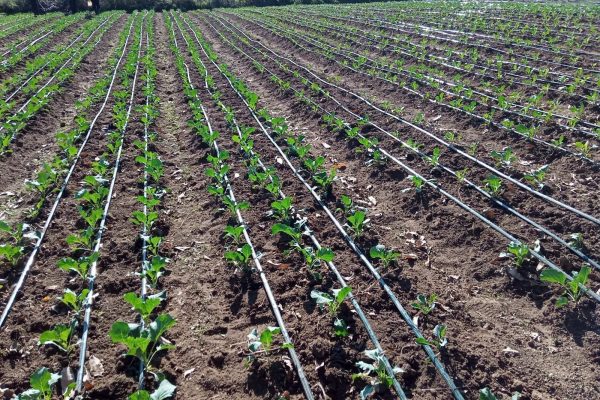
Drip Irrigation, The Future of Efficient Farming – Drip irrigation is a revolutionary technique that delivers water directly to the roots of plants in a controlled and efficient manner. Moreover, this method not only conserves water but also enhances crop yields, making it an ideal solution for modern agriculture. Therefore, in this article, we will explore the advantages of adopting a drip irrigation system, its installation process, and why it is becoming a preferred choice for farmers worldwide. Advantages of Adopting Drip Irrigation 1. Water Efficiency One of the most significant advantages of drip irrigation is its water efficiency. Unlike traditional irrigation methods, which can waste a considerable amount of water through evaporation, runoff, and deep percolation, drip irrigation delivers water directly to the plant roots. This targeted approach minimizes water wastage and ensures that plants receive the optimal amount of moisture. 2. Enhanced Crop Yields Drip irrigation provides a consistent supply of water, which helps in maintaining optimal soil moisture levels. Consequently, this consistency reduces plant stress and promotes healthier growth, leading to higher crop yields. Additionally, the precise water application prevents overwatering and waterlogging, which can otherwise harm plant roots and reduce productivity. 3. Reduced Weed Growth By delivering water directly to the roots, drip irrigation limits the amount of water available to weeds. This targeted watering reduces weed growth, allowing crops to thrive without the competition for resources. Farmers can spend less time and money on weed control measures. 4. Fertilizer Efficiency Drip irrigation systems can be combined with fertigation, the process of delivering fertilizers through the irrigation system. This method ensures that nutrients are supplied directly to the plant roots, enhancing nutrient uptake and reducing fertilizer wastage. As a result, farmers can achieve better crop nutrition with lower fertilizer costs. 5. Improved Soil Health Traditional irrigation methods can lead to soil erosion and nutrient runoff, degrading soil quality over time. Drip irrigation, on the other hand, minimizes these issues by providing controlled and localized watering. This helps maintain soil structure, fertility, and overall health, contributing to sustainable farming practices. How is Drip Irrigation Installed? Installing a drip irrigation system involves several steps, which can vary depending on the specific requirements of the farm. Here is a general overview of the installation process: 1. Planning and Design The first step in installing a drip irrigation system is to plan and design the layout. This involves: 2. Setting Up the Mainlines and Sub-Mainlines additionally . once the design is finalized, the mainlines and sub-mainlines are installed. These pipes serve as the primary conduits for water distribution throughout the field. Typically, PVC or polyethylene pipes are used for this purpose. 3. Installing the Filters and Pressure Regulators To ensure the efficient operation of the system, filters and pressure regulators are installed. Filters remove debris and prevent clogging of the emitters, while pressure regulators maintain a consistent water pressure throughout the system. 4. Laying the Laterals and Emitters Next, the laterals (smaller pipes) are laid out along the crop rows. Emitters, which deliver water directly to the plant roots, are attached to the laterals at regular intervals. The spacing of emitters depends on the specific water requirements of the crops being irrigated. 5. Connecting to the Water Source The mainlines are connected to the water source, which can be a well, reservoir, or municipal water supply. Additionally, a pump may be required to ensure adequate water pressure, especially if the water source is at a lower elevation than the field. 6. Testing and Adjustments Before the system is fully operational, it is essential to test the entire setup. This involves checking for leaks, ensuring even water distribution, and making any necessary adjustments to the emitters and pressure regulators. Why Drip Irrigation is the Preferred Choice for Farmers Drip irrigation offers numerous benefits that make it an attractive option for farmers: Conclusion In conclusion, drip irrigation is a powerful tool for modern agriculture, offering unparalleled water efficiency, enhanced crop yields, and numerous other benefits. Lastly, by adopting drip irrigation, farmers can improve their productivity, reduce resource wastage, and contribute to sustainable farming practices. As water scarcity and climate change continue to challenge traditional farming methods, drip irrigation stands out as a viable and effective solution for the future of agriculture. Drip Irrigation The Future of Efficient Farming Contact Us: Website:  – Click HereWhatsApp | Call: +254 743 149 267 | + 254 738 352 258Email Address: info@trendblend.co.ke | sales@trendblend.co.keFollow our IG: @TrendBlendHubKe

Read More
Automated Irrigation

Automated Irrigation, Revolutionizing Agriculture in Africa

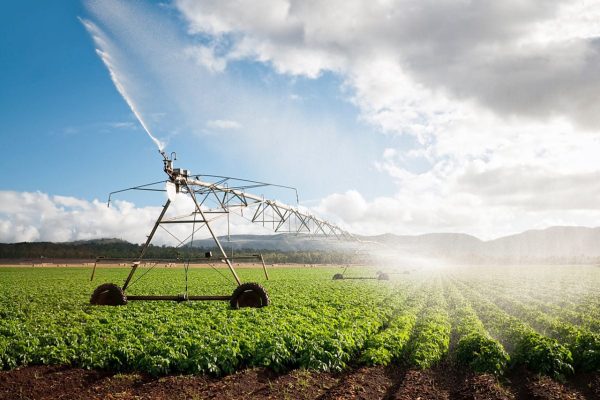
Automated Irrigation, Revolutionizing Agriculture in Africa – Automated irrigation technology is transforming agriculture by providing efficient and precise water management solutions. As water scarcity and climate variability increasingly threaten traditional farming methods, automated irrigation offers a promising alternative. This article explores the advantages of automated irrigation and explains why African countries, particularly Kenya, should adopt this innovative approach. Advantages of Automated Irrigation Water Efficiency One of the most significant benefits of automated irrigation is its water efficiency. Traditional irrigation methods, such as flood or furrow irrigation, often result in significant water wastage. Conversely, automated systems use sensors and smart controllers to deliver the exact amount of water needed, reducing waste and conserving this precious resource. This is crucial in regions like Kenya, where water scarcity is a pressing issue. Enhanced Crop Yields Moreover, automated irrigation systems can significantly boost crop yields. By providing consistent and precise watering, these systems ensure that crops receive the optimal amount of water at the right times. This consistency reduces plant stress and promotes healthier growth, leading to higher yields and better quality produce. In turn, this can enhance food security and increase farmers’ incomes. Labor Savings In addition, automated irrigation reduces the need for manual labor. Traditional irrigation requires significant human effort to monitor and manage water distribution. Automated systems, however, operate with minimal human intervention, freeing up labor for other essential farming tasks. This efficiency can lead to cost savings and improved farm productivity. Environmental Benefits Furthermore, automated irrigation has several environmental benefits. Precise water application reduces runoff and soil erosion, protecting local ecosystems. Additionally, it can minimize the leaching of fertilizers and pesticides into water bodies, reducing pollution and promoting a healthier environment. Why African Countries Should Adopt Automated Irrigation Addressing Climate Change Climate change poses a significant threat to agriculture in Africa. With unpredictable rainfall patterns and increasing droughts, traditional farming methods are becoming less viable. Automated irrigation systems can help mitigate these impacts by ensuring reliable water supply, regardless of weather conditions. This resilience is vital for maintaining agricultural productivity in the face of climate change. Supporting Smallholder Farmers Automated irrigation can also support smallholder farmers, who make up a large portion of the agricultural sector in African countries like Kenya. These farmers often lack access to reliable water sources and modern farming technologies. By adopting automated irrigation, they can improve their crop yields and livelihoods. Moreover, the scalability of these systems makes them suitable for farms of all sizes, from small plots to large estates. Economic Growth Adopting automated irrigation can drive economic growth. Agriculture is a critical sector in many African economies, including Kenya. By enhancing agricultural productivity and efficiency, automated irrigation can contribute to economic development, create jobs, and reduce poverty. Furthermore, the adoption of advanced technologies can attract investment and foster innovation in the agricultural sector. Government Support and Policy Finally, government support and favorable policies can facilitate the adoption of automated irrigation. By providing subsidies, training programs, and technical assistance, governments can help farmers transition to automated systems. Additionally, investment in research and development can lead to the creation of affordable and locally adapted irrigation technologies. Conclusion Automated irrigation is a game-changer for agriculture in Africa (Automated Irrigation Revolutionizing Agriculture in Africa). Its advantages, including water efficiency, enhanced crop yields, labor savings, and environmental benefits, make it a compelling solution for modern farming challenges. For countries like Kenya, adopting automated irrigation is not just a necessity but a strategic move towards sustainable agricultural development. With the right support and policies, automated irrigation can revolutionize farming in Africa, ensuring food security and economic growth for future generations. Contact Us: Website:  – Click HereWhatsApp | Call: +254 743 149 267 | + 254 738 352 258Email Address: info@trendblend.co.ke | sales@trendblend.co.keFollow our IG: @TrendBlendHubKe

Read More