
Automated Irrigation

Automated Irrigation, Revolutionizing Agriculture in Africa

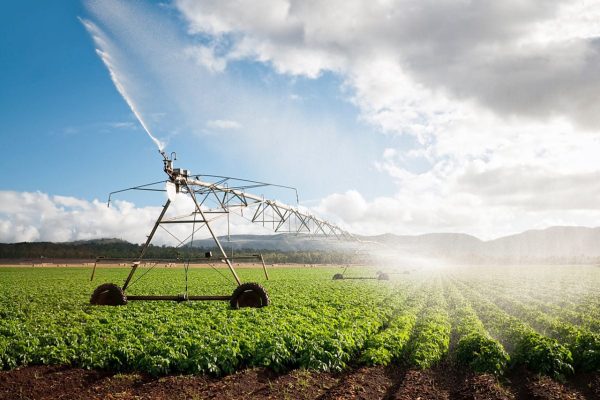
Automated Irrigation, Revolutionizing Agriculture in Africa – Automated irrigation technology is transforming agriculture by providing efficient and precise water management solutions. As water scarcity and climate variability increasingly threaten traditional farming methods, automated irrigation offers a promising alternative. This article explores the advantages of automated irrigation and explains why African countries, particularly Kenya, should adopt this innovative approach. Advantages of Automated Irrigation Water Efficiency One of the most significant benefits of automated irrigation is its water efficiency. Traditional irrigation methods, such as flood or furrow irrigation, often result in significant water wastage. Conversely, automated systems use sensors and smart controllers to deliver the exact amount of water needed, reducing waste and conserving this precious resource. This is crucial in regions like Kenya, where water scarcity is a pressing issue. Enhanced Crop Yields Moreover, automated irrigation systems can significantly boost crop yields. By providing consistent and precise watering, these systems ensure that crops receive the optimal amount of water at the right times. This consistency reduces plant stress and promotes healthier growth, leading to higher yields and better quality produce. In turn, this can enhance food security and increase farmers’ incomes. Labor Savings In addition, automated irrigation reduces the need for manual labor. Traditional irrigation requires significant human effort to monitor and manage water distribution. Automated systems, however, operate with minimal human intervention, freeing up labor for other essential farming tasks. This efficiency can lead to cost savings and improved farm productivity. Environmental Benefits Furthermore, automated irrigation has several environmental benefits. Precise water application reduces runoff and soil erosion, protecting local ecosystems. Additionally, it can minimize the leaching of fertilizers and pesticides into water bodies, reducing pollution and promoting a healthier environment. Why African Countries Should Adopt Automated Irrigation Addressing Climate Change Climate change poses a significant threat to agriculture in Africa. With unpredictable rainfall patterns and increasing droughts, traditional farming methods are becoming less viable. Automated irrigation systems can help mitigate these impacts by ensuring reliable water supply, regardless of weather conditions. This resilience is vital for maintaining agricultural productivity in the face of climate change. Supporting Smallholder Farmers Automated irrigation can also support smallholder farmers, who make up a large portion of the agricultural sector in African countries like Kenya. These farmers often lack access to reliable water sources and modern farming technologies. By adopting automated irrigation, they can improve their crop yields and livelihoods. Moreover, the scalability of these systems makes them suitable for farms of all sizes, from small plots to large estates. Economic Growth Adopting automated irrigation can drive economic growth. Agriculture is a critical sector in many African economies, including Kenya. By enhancing agricultural productivity and efficiency, automated irrigation can contribute to economic development, create jobs, and reduce poverty. Furthermore, the adoption of advanced technologies can attract investment and foster innovation in the agricultural sector. Government Support and Policy Finally, government support and favorable policies can facilitate the adoption of automated irrigation. By providing subsidies, training programs, and technical assistance, governments can help farmers transition to automated systems. Additionally, investment in research and development can lead to the creation of affordable and locally adapted irrigation technologies. Conclusion Automated irrigation is a game-changer for agriculture in Africa (Automated Irrigation Revolutionizing Agriculture in Africa). Its advantages, including water efficiency, enhanced crop yields, labor savings, and environmental benefits, make it a compelling solution for modern farming challenges. For countries like Kenya, adopting automated irrigation is not just a necessity but a strategic move towards sustainable agricultural development. With the right support and policies, automated irrigation can revolutionize farming in Africa, ensuring food security and economic growth for future generations. Contact Us: Website:  – Click HereWhatsApp | Call: +254 743 149 267 | + 254 738 352 258Email Address: info@trendblend.co.ke | sales@trendblend.co.keFollow our IG: @TrendBlendHubKe

Read More
Combating Climate Change in Kenya

Combating Climate Change in Kenya

Combating Climate Change in Kenya – Climate change poses a significant threat to Kenya, impacting its environment, economy, and the well-being of its people. As a country with diverse ecosystems and a growing population, Kenya must take proactive steps to mitigate the effects of climate change. This article outlines practical measures that individuals and organizations can adopt to help prevent climate change and ensure a sustainable future. Understanding the Impact of Climate Change in Kenya Kenya’s climate is characterized by both arid and semi-arid regions, with agriculture being a major economic activity. Climate change has led to unpredictable weather patterns, prolonged droughts, and intense flooding, adversely affecting food security, water resources, and biodiversity. To address these challenges, concerted efforts from all sectors of society are required. Measures Individuals Can Take Measures Organizations Can Take Government and Policy Measures In addition to individual and organizational actions, government policies play a crucial role in combating climate change. The Kenyan government can: Conclusion Preventing climate change in Kenya requires a collaborative effort from individuals, organizations, and the government. By adopting sustainable practices, investing in renewable energy, and raising awareness, we can collectively mitigate the impacts of climate change and ensure a sustainable future for Kenya. Each action, no matter how small, contributes to the larger goal of protecting our planet for future generations. Contact Us: Contact Us:Contact TrendBlend HubWebsite:  – Click HereWhatsApp | Call: +254 743 149 267 | + 254 738 352 258Email Address: info@trendblend.co.ke | sales@trendblend.co.keFollow our IG: @TrendBlendHubKe
Read More
Clean Water in Communities

Water The Lifeblood of Communities

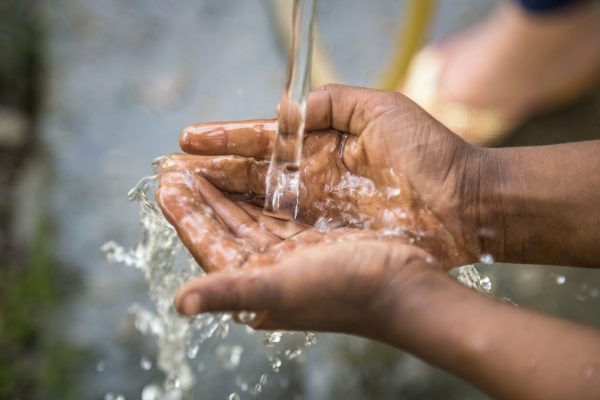
Water The Lifeblood of Communities – Water is an essential resource that underpins all aspects of life. From supporting our daily needs to driving economic activities, water is vital for the sustainability and growth of communities. This article explores the importance of water in both rural and urban areas and highlights the myriad benefits of having reliable access to clean water. Importance of Water in Communities Health and Well-Being Water is crucial for maintaining good health. Clean drinking water prevents the spread of waterborne diseases, which are particularly prevalent in areas with inadequate water supply and sanitation facilities. Access to clean water reduces the incidence of illnesses such as diarrhea, cholera, and typhoid, significantly improving the overall health and well-being of the community. Economic Development Water is a key driver of economic activities. In agriculture, it is necessary for irrigation, livestock, and crop production. Reliable water sources enable farmers to increase yields and improve food security. In industrial sectors, water is used in manufacturing processes, power generation, and as a coolant in various industries. Access to water resources stimulates economic growth by supporting these activities and creating jobs. Education Access to water significantly impacts education, especially in rural areas. When children, particularly girls, are not burdened with the task of fetching water from distant sources, they can attend school regularly. Clean water in schools also means better sanitation facilities, which contribute to a healthier learning environment. Environmental Sustainability Water is vital for maintaining healthy ecosystems. Rivers, lakes, and wetlands provide habitats for a wide range of species and play a critical role in biodiversity. Sustainable water management practices ensure that these ecosystems remain intact, preserving the natural environment for future generations. Advantages of Access to Water in Rural Areas Agriculture and Livelihoods In rural areas, agriculture is often the primary source of livelihood. Reliable access to water for irrigation allows farmers to cultivate crops throughout the year, increasing food production and income. This stability can lead to improved living standards and reduced poverty levels. Improved Quality of Life Access to clean water in rural areas means better health and hygiene. Households can maintain cleanliness, reducing the risk of disease. Additionally, having water available close to home saves time and energy, allowing community members to engage in other productive activities. Empowerment of Women and Girls In many rural communities, women and girls are responsible for collecting water. Access to water reduces the time spent on this task, enabling them to pursue education, participate in economic activities, and engage in community life. This empowerment has a positive ripple effect on the entire community. Advantages of Access to Water in Urban Areas Public Health In urban areas, densely populated communities depend on a reliable supply of clean water to prevent the spread of diseases. Access to safe drinking water and adequate sanitation facilities is essential for maintaining public health and preventing outbreaks of waterborne diseases. Economic Productivity Urban areas are hubs of economic activity, and water is integral to various industries and services. From manufacturing to hospitality, businesses rely on water to operate efficiently. Reliable water supply ensures that these industries can function smoothly, contributing to the overall economy. Urban Planning and Development Water infrastructure is a fundamental component of urban planning. Efficient water management systems, including supply and drainage networks, are essential for the development and maintenance of cities. Properly planned water systems support sustainable urban growth and improve the quality of life for residents. Conclusion Water is the lifeblood of communities, essential for health, economic development, education, and environmental sustainability. Whether in rural or urban areas, access to clean water brings numerous benefits, improving the quality of life and fostering community growth. As we continue to develop and expand, it is crucial to prioritize water access and management to ensure a sustainable and prosperous future for all. Contact Us: Contact TrendBlend HubWebsite:  – Click HereWhatsApp | Call: +254 743 149 267 | + 254 738 352 258Email Address: info@trendblend.co.ke | sales@trendblend.co.keFollow our IG: @TrendBlendHubKe

Read More