
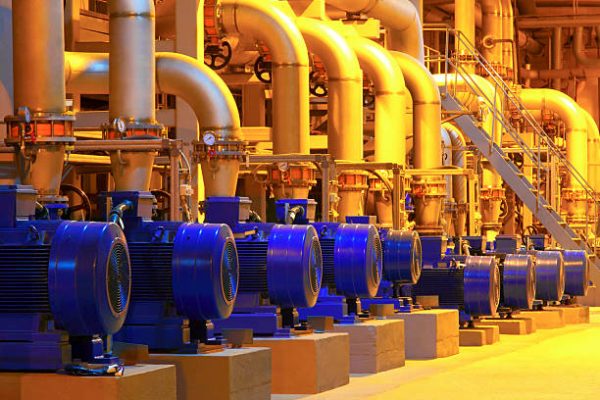
Industrial Pumps

High-Quality Industrial Pumps, Essential for Efficient Processing

High-Quality Industrial Pumps, Essential for Efficient Processing – Industrial and processing operations rely heavily on robust and efficient pumping systems to ensure smooth and uninterrupted workflows. The use of high-quality pumps, including self-priming pumps, open impeller pumps, and stainless steel pumps, is crucial for maintaining operational efficiency and product quality. This article delves into the advantages and capabilities of these specialized pumps, highlighting their importance in industrial and processing environments. Self-Priming Pumps What Are Self-Priming Pumps? Self-priming pumps are designed to overcome the challenges of air binding, a common issue in traditional pumps. They can evacuate air from the suction line and create a vacuum, allowing the pump to draw liquid from the source and commence operation without the need for manual priming. Advantages of Self-Priming Pumps Open Impeller Pumps What Are Open Impeller Pumps? Open impeller pumps feature an impeller design with vanes that are not enclosed by a shroud. This design allows the pump to handle larger solids and more viscous fluids without clogging, making them ideal for industrial applications. Advantages of Open Impeller Pumps Stainless Steel Pumps What Are Stainless Steel Pumps? Stainless steel pumps are constructed from high-grade stainless steel, offering superior resistance to corrosion, chemical attack, and wear. These pumps are widely used in industries where hygiene, durability, and chemical compatibility are critical. Advantages of Stainless Steel Pumps Capabilities and Applications Self-Priming Pumps Self-priming pumps are widely used in applications such as: Open Impeller Pumps Open impeller pumps excel in: Stainless Steel Pumps Stainless steel pumps are indispensable in: Conclusion Investing in high-quality pumps, including self-priming pumps, open impeller pumps, and stainless steel pumps, is essential for any industrial and processing operation. These pumps offer significant advantages in terms of efficiency, versatility, durability, and safety. By understanding the unique benefits and capabilities of each type of pump, businesses can ensure optimal performance and reliability in their processes, ultimately leading to enhanced productivity and profitability – High-Quality Industrial Pumps, Essential for Efficient Processing Website:  – Click HereWhatsApp | Call: +254 743 149 267 | + 254 738 352 258Email Address: info@trendblend.co.ke | sales@trendblend.co.keFollow our IG: @TrendBlendHubKe
Read More
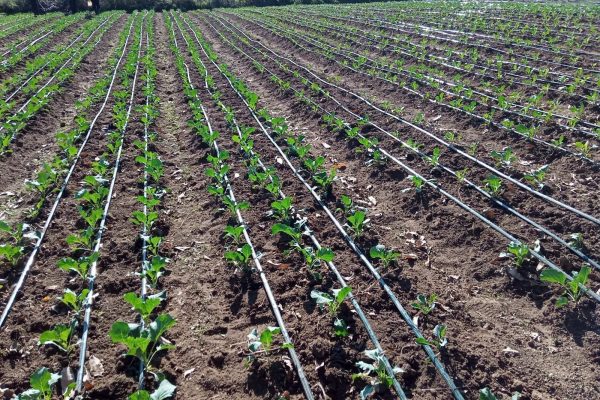
Drip Irrigation System

Drip Irrigation, The Future of Efficient Farming

Drip Irrigation, The Future of Efficient Farming – Drip irrigation is a revolutionary technique that delivers water directly to the roots of plants in a controlled and efficient manner. Moreover, this method not only conserves water but also enhances crop yields, making it an ideal solution for modern agriculture. Therefore, in this article, we will explore the advantages of adopting a drip irrigation system, its installation process, and why it is becoming a preferred choice for farmers worldwide. Advantages of Adopting Drip Irrigation 1. Water Efficiency One of the most significant advantages of drip irrigation is its water efficiency. Unlike traditional irrigation methods, which can waste a considerable amount of water through evaporation, runoff, and deep percolation, drip irrigation delivers water directly to the plant roots. This targeted approach minimizes water wastage and ensures that plants receive the optimal amount of moisture. 2. Enhanced Crop Yields Drip irrigation provides a consistent supply of water, which helps in maintaining optimal soil moisture levels. Consequently, this consistency reduces plant stress and promotes healthier growth, leading to higher crop yields. Additionally, the precise water application prevents overwatering and waterlogging, which can otherwise harm plant roots and reduce productivity. 3. Reduced Weed Growth By delivering water directly to the roots, drip irrigation limits the amount of water available to weeds. This targeted watering reduces weed growth, allowing crops to thrive without the competition for resources. Farmers can spend less time and money on weed control measures. 4. Fertilizer Efficiency Drip irrigation systems can be combined with fertigation, the process of delivering fertilizers through the irrigation system. This method ensures that nutrients are supplied directly to the plant roots, enhancing nutrient uptake and reducing fertilizer wastage. As a result, farmers can achieve better crop nutrition with lower fertilizer costs. 5. Improved Soil Health Traditional irrigation methods can lead to soil erosion and nutrient runoff, degrading soil quality over time. Drip irrigation, on the other hand, minimizes these issues by providing controlled and localized watering. This helps maintain soil structure, fertility, and overall health, contributing to sustainable farming practices. How is Drip Irrigation Installed? Installing a drip irrigation system involves several steps, which can vary depending on the specific requirements of the farm. Here is a general overview of the installation process: 1. Planning and Design The first step in installing a drip irrigation system is to plan and design the layout. This involves: 2. Setting Up the Mainlines and Sub-Mainlines additionally . once the design is finalized, the mainlines and sub-mainlines are installed. These pipes serve as the primary conduits for water distribution throughout the field. Typically, PVC or polyethylene pipes are used for this purpose. 3. Installing the Filters and Pressure Regulators To ensure the efficient operation of the system, filters and pressure regulators are installed. Filters remove debris and prevent clogging of the emitters, while pressure regulators maintain a consistent water pressure throughout the system. 4. Laying the Laterals and Emitters Next, the laterals (smaller pipes) are laid out along the crop rows. Emitters, which deliver water directly to the plant roots, are attached to the laterals at regular intervals. The spacing of emitters depends on the specific water requirements of the crops being irrigated. 5. Connecting to the Water Source The mainlines are connected to the water source, which can be a well, reservoir, or municipal water supply. Additionally, a pump may be required to ensure adequate water pressure, especially if the water source is at a lower elevation than the field. 6. Testing and Adjustments Before the system is fully operational, it is essential to test the entire setup. This involves checking for leaks, ensuring even water distribution, and making any necessary adjustments to the emitters and pressure regulators. Why Drip Irrigation is the Preferred Choice for Farmers Drip irrigation offers numerous benefits that make it an attractive option for farmers: Conclusion In conclusion, drip irrigation is a powerful tool for modern agriculture, offering unparalleled water efficiency, enhanced crop yields, and numerous other benefits. Lastly, by adopting drip irrigation, farmers can improve their productivity, reduce resource wastage, and contribute to sustainable farming practices. As water scarcity and climate change continue to challenge traditional farming methods, drip irrigation stands out as a viable and effective solution for the future of agriculture. Drip Irrigation The Future of Efficient Farming Contact Us: Website:  – Click HereWhatsApp | Call: +254 743 149 267 | + 254 738 352 258Email Address: info@trendblend.co.ke | sales@trendblend.co.keFollow our IG: @TrendBlendHubKe

Read More