
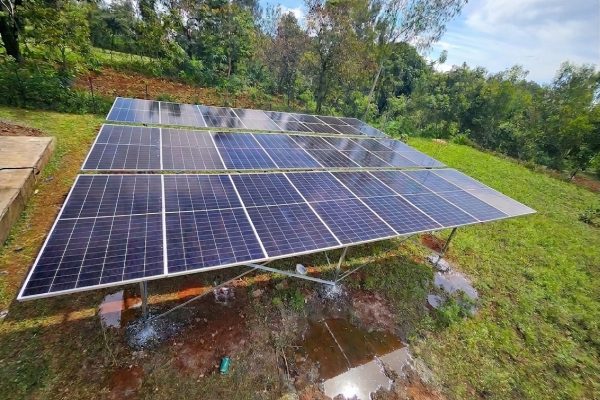
Africa’s Solar Energy Revolution
Africa stands at the center of a major solar energy transformation. Rising electricity demand, abundant sunshine, falling solar technology costs, and growing investment continue to accelerate solar adoption in Africa. Governments, businesses, and households increasingly choose solar power to improve energy access, reduce electricity costs, and support sustainable economic growth. Africa’s Growing Solar Potential Africa receives some of the highest levels of solar radiation in the world. Countries across North, East, West, and Southern Africa can generate significant electricity from sunlight. This natural advantage gives the continent an opportunity to expand renewable energy without relying heavily on fossil fuels. Solar photovoltaic (PV) systems now serve homes, farms, businesses, schools, hospitals, and industrial facilities. Off-grid solar systems also provide electricity to communities that lack reliable connections to national power grids. As a result, solar energy improves energy access in Africa while creating new economic opportunities. Why Solar Adoption Keeps Growing Several factors drive the rapid growth of African solar power. First, solar panel prices have fallen significantly over the past decade. Lower equipment costs make solar installations more affordable for consumers and businesses. Second, unreliable electricity supplies encourage companies and households to seek dependable alternatives. Solar systems combined with battery storage can provide consistent power and reduce dependence on diesel generators. Third, governments and development organizations increasingly support renewable energy projects. Financing programs, solar incentives, and public-private partnerships help expand clean energy infrastructure across the continent. Solar Energy and Economic Development Solar adoption can deliver benefits far beyond electricity generation. The industry creates jobs in manufacturing, installation, engineering, maintenance, financing, and sales. Local solar companies can also develop new services that reach rural and underserved communities. Businesses can use solar power to lower operating expenses and improve energy reliability. Farmers can deploy solar-powered irrigation systems, refrigeration, and water pumps. These applications can increase agricultural productivity while reducing fuel consumption. The Future of Solar Power in Africa Africa still faces challenges, including limited financing, inadequate transmission infrastructure, regulatory barriers, and shortages of technical skills. However, continued investment and innovation can help overcome these obstacles. Battery storage, mini-grids, pay-as-you-go solar systems, and improved financing models will expand access further. As technology becomes more affordable, solar energy adoption in Africa will continue to reshape the continent’s energy landscape. Africa possesses the sunlight, market demand, and growing investment needed to build a cleaner and more resilient energy future. By expanding solar infrastructure and supporting local expertise, African countries can improve energy access, strengthen economies, and accelerate the transition toward sustainable development.