
C.A.T Leading Sustainable Energy
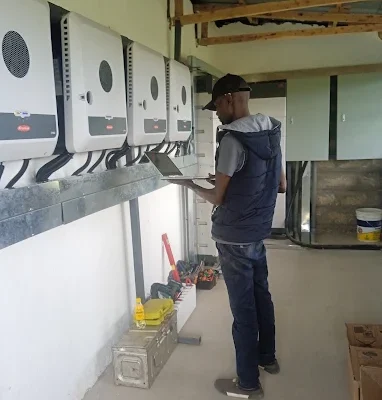
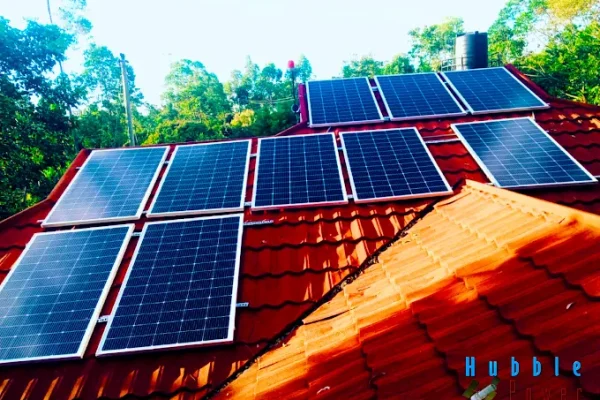
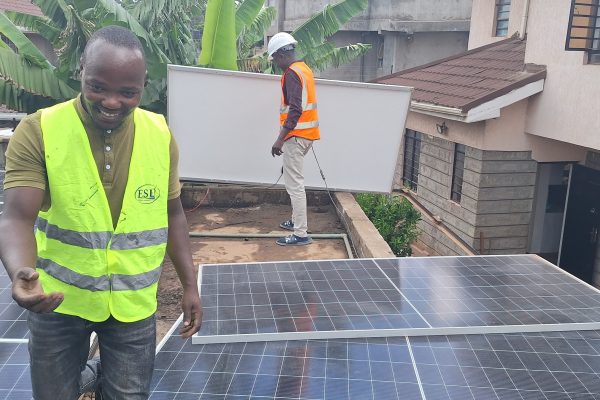
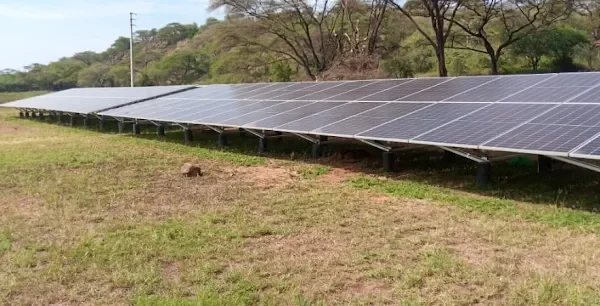
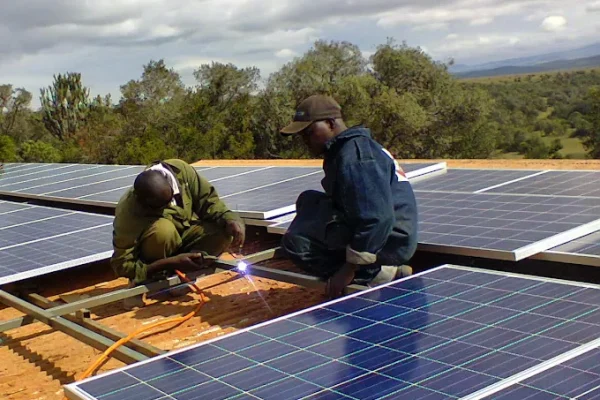
Centre for Alternative Technologies Ltd (CAT) has established itself as a key player in Kenya’s clean energy transition. With its base in Ruaraka Business Park, Nairobi, CAT continues to provide innovative solutions that empower communities, businesses, and institutions to embrace reliable and sustainable energy alternatives. The company prioritizes affordability, efficiency, and long-term sustainability, making it a trusted partner for organizations seeking dependable energy solutions. From the very beginning, CAT has focused on solar energy, offering a wide range of solar panels, inverters, and batteries. These products help households reduce dependence on the grid while enabling businesses to cut energy costs significantly. The company also delivers hybrid systems that integrate solar with other renewable energy sources, ensuring uninterrupted supply even during extended outages. As a result, clients enjoy consistent power while lowering their carbon footprint. In addition to solar solutions, CAT also champions energy efficiency through tailored consultancy and project design. Their team of skilled engineers works closely with clients to assess unique power needs and recommend customized systems that maximize performance. This approach ensures that customers receive value-driven installations that align with both budget and sustainability goals. Over the years, CAT has expanded its role beyond product supply to include project management and technical training. The company equips technicians with the skills needed to maintain and operate renewable energy systems effectively. By fostering technical knowledge, CAT strengthens Kenya’s renewable energy workforce while ensuring long-term system reliability. Furthermore, CAT actively contributes to water pumping solutions for agricultural and community use. Their solar water pumping systems help farmers irrigate crops affordably while communities gain access to safe drinking water without reliance on costly fossil fuels. These solutions not only improve livelihoods but also enhance food security across the country. CAT’s dedication to quality and innovation has earned it recognition as a dependable energy partner. Clients trust the company to deliver durable products, reliable after-sales support, and sustainable solutions that meet modern energy demands. By continuously adapting to advancements in renewable technologies, CAT ensures that its clients always benefit from cutting-edge solutions. For anyone seeking dependable renewable energy solutions, Centre for Alternative Technologies Ltd remains a top choice. Contact Centre for Alternative Technologies Ltd (CAT):📞 0720 635153🌐 https://cat.co.ke/📍 Address: Abacus Lane, Baba Dogo Road, 2 Ruaraka Business Park, Box 64921, Nairobi