
Water and Clean Energy
At TrendBlend Hub, our commitment to fostering a sustainable future is epitomized by the Water and Clean Energy category. This informative space serves as a beacon of enlightenment, educating people worldwide on the paramount importance of water and clean energy. To achieve this, our comprehensive category spans a spectrum of topics, seamlessly connecting clean energy solutions, solar technology, water conservation, sustainable farming practices, efficient irrigation methods, pumping systems, and much more.
Clean Energy Advocacy
In our relentless pursuit of a greener planet, the Clean Energy aspect of this category rightfully takes center stage. Here, we delve into the latest advancements in renewable energy, highlighting the significance of transitioning to sustainable power sources. In collaboration with clean energy companies worldwide, we bring our audience insights into innovative technologies, eco-friendly practices, and the positive impact these solutions have on both the environment and our daily lives.
Harnessing Solar Power
A crucial subset of our Clean Energy focus is the utilization of solar power. Through in-depth articles and features, we systematically explore the growing trend of solar energy adoption. In addition, from residential solar panels to large-scale solar farms, our content aims to demystify solar technology, making it accessible and understandable for readers globally. Notably, TrendBlend Hub is proud to collaborate with leading solar companies, sharing their expertise to encourage the widespread adoption of solar solutions.
Water, Farming, and Irrigation
Transitioning seamlessly to the vital nexus of water, farming, and irrigation, our category spotlights sustainable agricultural practices that contribute to water conservation and energy efficiency. Within these informative pieces, we delve into the intersection of modern technology and traditional farming methods, showcasing innovations in efficient irrigation systems that optimize water usage. Nevertheless, our collaboration with global players in the agricultural and irrigation sectors ensures a wealth of insights, empowering farmers with knowledge that enhances productivity while minimizing environmental impact.
Global Collaborations
Central to our mission is fostering collaboration with water and clean energy companies worldwide. By establishing partnerships with industry leaders, TrendBlend Hub ensures that our content is informed by cutting-edge developments and expert insights. Besides these invaluable collaborations enable us to deliver credible, up-to-date information that empowers individuals, businesses and communities to make informed decisions for a more sustainable future.
Why It Matters
The Water and Clean Energy category at TrendBlend Hub transcends geographical boundaries, emphasizing the global significance of water conservation and clean energy adoption. Additionally, as a cohesive narrative, it serves as a platform for individuals and organizations to understand the urgency of embracing eco-friendly practices. By disseminating knowledge on sustainable solutions, we aim to inspire collective action, driving positive change on a global scale.
In conclusion, our Water and Clean Energy category is not merely a collection of articles; it is a commitment to environmental stewardship and a call to action. Through education, collaboration, and advocacy, TrendBlend Hub strives to empower individuals to make choices that benefit both the planet and future generations. Lastly, join us in this transformative journey towards a sustainable, clean energy future and where every drop of water and every watt of energy counts. Finally, TrendBlend Hub is your Home for Clean Energy and Water.
Africa’s Solar Energy Revolution
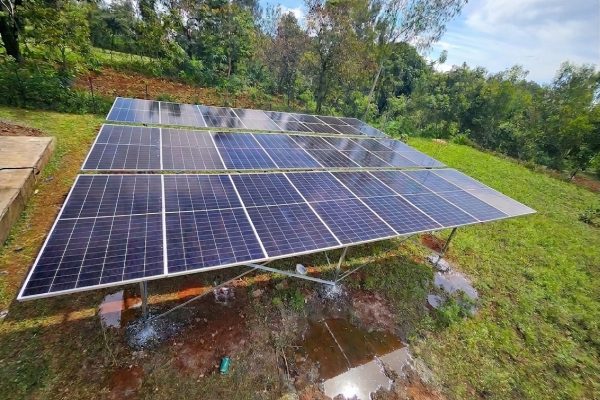
Africa stands at the center of a major solar energy transformation. Rising electricity demand, abundant sunshine, falling solar technology costs, and growing investment continue to accelerate solar adoption in Africa. Governments, businesses, and households increasingly choose solar power to improve energy access, reduce electricity costs, and support sustainable economic growth. Africa’s Growing Solar Potential Africa receives some of the highest levels of solar radiation in the world. Countries across North, East, West, and Southern Africa can generate significant electricity from sunlight. This natural advantage gives the continent an opportunity to expand renewable energy without relying heavily on fossil fuels. Solar photovoltaic (PV) systems now serve homes, farms, businesses, schools, hospitals, and industrial facilities. Off-grid solar systems also provide electricity to communities that lack reliable connections to national power grids. As a result, solar energy improves energy access in Africa while creating new economic opportunities. Why Solar Adoption Keeps Growing Several factors drive the rapid growth of African solar power. First, solar panel prices have fallen significantly over the past decade. Lower equipment costs make solar installations more affordable for consumers and businesses. Second, unreliable electricity supplies encourage companies and households to seek dependable alternatives. Solar systems combined with battery storage can provide consistent power and reduce dependence on diesel generators. Third, governments and development organizations increasingly support renewable energy projects. Financing programs, solar incentives, and public-private partnerships help expand clean energy infrastructure across the continent. Solar Energy and Economic Development Solar adoption can deliver benefits far beyond electricity generation. The industry creates jobs in manufacturing, installation, engineering, maintenance, financing, and sales. Local solar companies can also develop new services that reach rural and underserved communities. Businesses can use solar power to lower operating expenses and improve energy reliability. Farmers can deploy solar-powered irrigation systems, refrigeration, and water pumps. These applications can increase agricultural productivity while reducing fuel consumption. The Future of Solar Power in Africa Africa still faces challenges, including limited financing, inadequate transmission infrastructure, regulatory barriers, and shortages of technical skills. However, continued investment and innovation can help overcome these obstacles. Battery storage, mini-grids, pay-as-you-go solar systems, and improved financing models will expand access further. As technology becomes more affordable, solar energy adoption in Africa will continue to reshape the continent’s energy landscape. Africa possesses the sunlight, market demand, and growing investment needed to build a cleaner and more resilient energy future. By expanding solar infrastructure and supporting local expertise, African countries can improve energy access, strengthen economies, and accelerate the transition toward sustainable development.

Davis & Shirtliff Leading Solar and Water Solutions in Kenya
For over seventy-five years, Davis &+ Shirtliff has shaped Kenya’s energy and water landscape through innovation, reliability, and quality. From its headquarters on Dundori Road in Nairobi’s Industrial Area, the company has built a reputation as a trusted leader in providing sustainable solutions for both domestic and commercial use. As energy costs rise and climate challenges intensify, Davis and Shirtliff continues to empower households, businesses, and institutions with solar and water technologies that promote efficiency and sustainability. Comprehensive Solar Product Portfolio Davis and Shirtliff offers one of the most diverse solar product ranges in East Africa, ensuring customers find solutions that suit their unique needs. Their portfolio includes: By combining these products, Davis and Shirtliff delivers complete solar solutions that enhance energy access, improve water availability, and reduce costs for clients. Transforming Homes and Communities Households across Kenya rely on Davis & Shirtliff’s solar technologies to achieve affordable and reliable energy. With solar panels, inverters, and batteries, families enjoy consistent electricity, reduced utility bills, and independence from unreliable grid power. Solar water heaters further enhance comfort by providing hot water in an environmentally friendly and cost-effective way. In rural areas, solar pumps and controls have revolutionized water access. Communities now irrigate farmland efficiently, water livestock affordably, and access clean drinking water without depending on costly fuel-driven pumps. These solutions not only improve daily life but also strengthen food security and support sustainable livelihoods. Supporting Businesses and Institutions Davis and Shirtliff plays a crucial role in supporting Kenya’s commercial and institutional sectors. Businesses benefit from customized solar power and backup systems that ensure uninterrupted operations, reduce expenses, and improve efficiency. Schools and universities rely on solar installations to provide stable electricity, while hospitals use backup systems to keep critical equipment running at all times. Hotels and manufacturing industries also gain significant savings and operational resilience by integrating solar and water solutions into their infrastructure. Professional Services and Ongoing Support What sets Davis & Shirtliff apart is its commitment to delivering more than just products. The company provides end-to-end services, including expert consultations, careful system design, professional installation, and thorough maintenance. Their team of qualified engineers and technicians ensures every project achieves maximum efficiency and long-term reliability. Customers also benefit from after-sales support, spare parts availability, and continuous technical assistance, making Davis and Shirtliff a trusted partner for lasting solutions. Driving Kenya’s Renewable Energy Transition By promoting clean energy technologies, Davis & Shirtliff continues to lead Kenya’s transition toward sustainability. Their solutions help reduce carbon emissions, lower dependency on fossil fuels, and create opportunities for energy independence. Whether through solar panels powering homes, water pumps transforming agriculture, or storage systems ensuring reliability, the company makes a lasting impact on communities and the environment. Contact Davis and Shirtliff 📍 Address: Dundori Road, Industrial Area, Nairobi📮 P.O. Box: 41762 – 00100, Kenya📧 Email: ContactCenter@dayliff.com📞 Phone: +254 711 079 000🌐 Website: www.davisandshirtliff.com🌐 Website: www.davisandshirtliff.com
Chloride Exide Powering Homes and Businesses with Solar Solutions
Chloride Exide (K) Ltd stands tall as one of Kenya’s most established and trusted providers of renewable energy and power storage solutions. With its headquarters at Exsan House along Enterprise Road in Nairobi’s Industrial Area, the company has continued to drive innovation in solar energy and battery technology for decades. Diverse Solar and Energy Products Chloride Exide offers a wide range of products designed to meet the growing demand for sustainable power. Their portfolio includes solar panels, solar water pumping systems, inverters, charge controllers, and deep-cycle solar batteries. In addition, they supply uninterruptible power supplies (UPS), industrial batteries, automotive batteries, and home backup systems. These solutions serve households, businesses, institutions, and industries that require reliable power every day. Reliable Power for Homes and Communities Families across Kenya now enjoy consistent electricity because of Chloride Exide’s solar home systems. With solar panels and batteries, households lower energy costs, reduce reliance on the grid, and protect themselves from frequent blackouts. At the same time, rural communities benefit from solar water pumps that make irrigation affordable and ensure easy access to clean water. These technologies improve livelihoods while supporting food security. Sustainable Energy for Businesses and Institutions Chloride Exide also designs and installs customized energy systems for businesses, industries, and institutions. By providing hybrid inverters, solar backup solutions, and energy-efficient batteries, the company enables organizations to cut operational costs and secure uninterrupted power. Hospitals, schools, and manufacturing facilities particularly benefit from these reliable systems, which ensure smooth operations even during power outages. Commitment to Quality and Customer Support What sets Chloride Exide apart is its dedication to quality and after-sales service. The company’s expert team guides clients through product selection, system design, and installation, ensuring every solution meets specific needs. After installation, customers continue to receive technical support and maintenance services, which guarantee durability and maximum performance. Driving Kenya’s Clean Energy Transition By promoting renewable energy and advanced battery technology, Chloride Exide plays a vital role in Kenya’s shift toward clean and sustainable energy. Their solutions reduce carbon emissions, empower communities, and strengthen energy independence across the country. With every installation, the company demonstrates its leadership in building a brighter and greener future. Contact Chloride Exide (K) Ltd:📞 Call: 0719 080000💬 WhatsApp: +254 719 080 000📧 Email: customerservice@chlorideexide.com🌐 Website: www.chlorideexide.com📍 Address: Exsan House, Enterprise Road, Industrial Area, Nairobi
Suntech Power Driving Solar Innovation in Kenya
Suntech Power leads Kenya’s renewable energy sector by providing reliable solar and clean energy solutions that transform how people access electricity and water. Located at Techwin Industrial Park, Homabay Road in Nairobi’s Industrial Area, the company delivers cutting-edge solar technologies that meet the country’s growing demand for sustainable power. Reliable Solar Energy for Homes Suntech Power supplies and installs high-performance solar panels, inverters, batteries, and complete solar kits. With these solutions, households reduce electricity bills, enjoy uninterrupted power, and gain energy independence. Families also make a positive environmental impact by switching from fossil fuels to clean solar power. Affordable Power for Businesses For commercial and industrial clients, Suntech Power designs customized solar energy systems that support long-term efficiency. Businesses cut operating costs, protect themselves from grid outages, and operate smoothly with hybrid and backup installations. By offering affordable and dependable systems, the company empowers organizations to achieve sustainable growth while staying competitive. Smart Solar Water Solutions In addition to energy, Suntech Power provides advanced solar water pumping systems that address both domestic and agricultural needs. Farmers irrigate crops more cost-effectively, increase productivity, and improve food security. Meanwhile, rural communities access affordable clean water for drinking, cooking, and sanitation without relying on expensive fuel-driven pumps. Professional Service and Lasting Support Suntech Power prioritizes client-focused service. Their experienced engineers carefully design solutions that match unique energy needs and ensure professional installation. After installation, the company continues to support customers with maintenance and after-sales service, guaranteeing maximum system performance and durability. Shaping Kenya’s Clean Energy Future Through innovation, Suntech Power strengthens Kenya’s transition to renewable energy. By promoting solar electricity and water solutions, the company reduces carbon emissions, improves energy access, and empowers communities to embrace sustainable living. With every project, Suntech Power moves Kenya closer to a brighter and cleaner future. Contact Suntech Power:📞 0715 208282🌐 https://suntech.co.ke/📍 Address: Industrial Area, Homabay Road, Off Enterprise Rd, Techwin Industrial Park, Techwin Limited
G & P Solar Systems Empowering Clean Energy
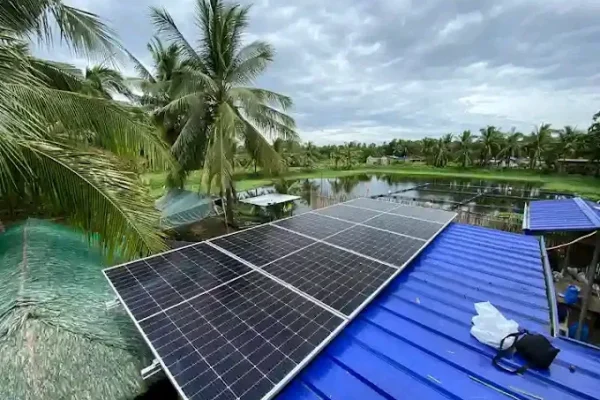
G & P Solar Systems has positioned itself as one of Kenya’s leading providers of solar and clean energy solutions. Located along the Eastern Bypass in Ruiru, Kiambu County, the company has built a reputation for delivering innovative solar systems that meet the diverse energy needs of homes, businesses, and institutions. With a commitment to sustainability, G and P Solar Systems ensures clients enjoy reliable power while significantly reducing energy costs. The company specializes in the supply and installation of high-quality solar panels, inverters, batteries, and complete solar kits. These products allow households to transition smoothly from unreliable grid electricity to dependable solar power. By investing in these solutions, families not only achieve energy independence but also contribute to environmental conservation. Businesses For businesses, G & P Solar Systems provides customized solar energy solutions that cut operational costs while ensuring uninterrupted power supply. Their solar backup systems and hybrid installations guarantee continuous operations even during power outages. As a result, companies experience improved efficiency and long-term savings, making solar energy a smart investment for sustainable growth. In addition to energy supply, G & P Solar Systems also focuses on water solutions. The company offers solar water pumping systems that support both domestic and agricultural needs. Farmers benefit from cost-effective irrigation systems that increase productivity, while communities gain affordable access to clean water without relying on expensive fuel-driven pumps. These solutions play a critical role in improving livelihoods and boosting food security across Kenya. What sets G and P Solar Systems apart is their dedication to personalized service. The company takes time to assess client needs, design suitable systems, and deliver professional installations. Their expert team also provides after-sales support, ensuring customers enjoy maximum performance and durability from their investments. As demand for renewable energy continues to rise in Kenya, G & P Solar Systems remains at the forefront of promoting clean and sustainable energy. Through quality products, professional services, and a client-centered approach, the company continues to empower individuals and organizations to embrace solar energy as the future of reliable power. Contact G and P Solar Systems:📞 0745 207621📧 solarsystemsgp@gmail.com🌐 https://www.gpsolarsystems.co.ke/📍 Address: 3 Unit, Opposite Total Petrol Station, Along Eastern Bypass, Ruiru, Kiambu County
C.A.T Leading Sustainable Energy
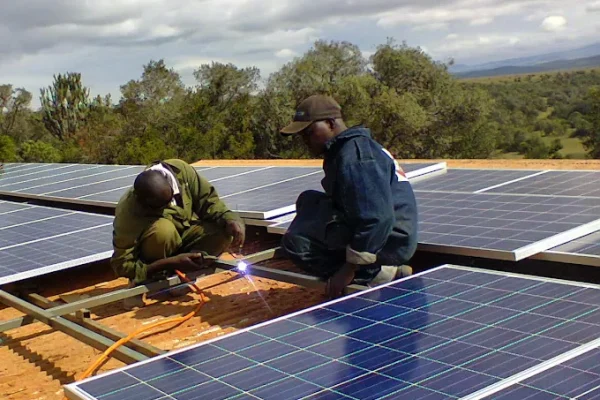
Centre for Alternative Technologies Ltd (CAT) has established itself as a key player in Kenya’s clean energy transition. With its base in Ruaraka Business Park, Nairobi, CAT continues to provide innovative solutions that empower communities, businesses, and institutions to embrace reliable and sustainable energy alternatives. The company prioritizes affordability, efficiency, and long-term sustainability, making it a trusted partner for organizations seeking dependable energy solutions. From the very beginning, CAT has focused on solar energy, offering a wide range of solar panels, inverters, and batteries. These products help households reduce dependence on the grid while enabling businesses to cut energy costs significantly. The company also delivers hybrid systems that integrate solar with other renewable energy sources, ensuring uninterrupted supply even during extended outages. As a result, clients enjoy consistent power while lowering their carbon footprint. In addition to solar solutions, CAT also champions energy efficiency through tailored consultancy and project design. Their team of skilled engineers works closely with clients to assess unique power needs and recommend customized systems that maximize performance. This approach ensures that customers receive value-driven installations that align with both budget and sustainability goals. Over the years, CAT has expanded its role beyond product supply to include project management and technical training. The company equips technicians with the skills needed to maintain and operate renewable energy systems effectively. By fostering technical knowledge, CAT strengthens Kenya’s renewable energy workforce while ensuring long-term system reliability. Furthermore, CAT actively contributes to water pumping solutions for agricultural and community use. Their solar water pumping systems help farmers irrigate crops affordably while communities gain access to safe drinking water without reliance on costly fossil fuels. These solutions not only improve livelihoods but also enhance food security across the country. CAT’s dedication to quality and innovation has earned it recognition as a dependable energy partner. Clients trust the company to deliver durable products, reliable after-sales support, and sustainable solutions that meet modern energy demands. By continuously adapting to advancements in renewable technologies, CAT ensures that its clients always benefit from cutting-edge solutions. For anyone seeking dependable renewable energy solutions, Centre for Alternative Technologies Ltd remains a top choice. Contact Centre for Alternative Technologies Ltd (CAT):📞 0720 635153🌐 https://cat.co.ke/📍 Address: Abacus Lane, Baba Dogo Road, 2 Ruaraka Business Park, Box 64921, Nairobi