
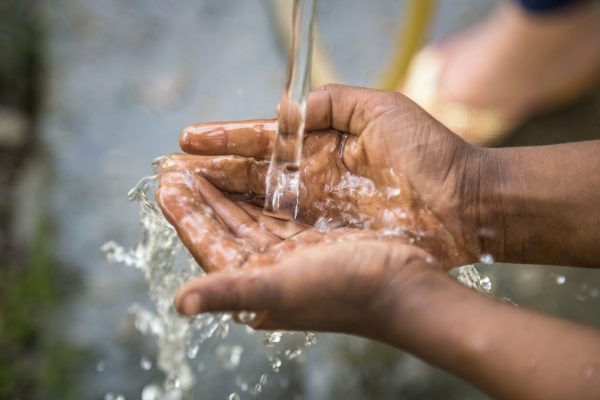
Water The Lifeblood of Communities
Water The Lifeblood of Communities – Water is an essential resource that underpins all aspects of life. From supporting our daily needs to driving economic activities, water is vital for the sustainability and growth of communities. This article explores the importance of water in both rural and urban areas and highlights the myriad benefits of having reliable access to clean water. Importance of Water in Communities Health and Well-Being Water is crucial for maintaining good health. Clean drinking water prevents the spread of waterborne diseases, which are particularly prevalent in areas with inadequate water supply and sanitation facilities. Access to clean water reduces the incidence of illnesses such as diarrhea, cholera, and typhoid, significantly improving the overall health and well-being of the community. Economic Development Water is a key driver of economic activities. In agriculture, it is necessary for irrigation, livestock, and crop production. Reliable water sources enable farmers to increase yields and improve food security. In industrial sectors, water is used in manufacturing processes, power generation, and as a coolant in various industries. Access to water resources stimulates economic growth by supporting these activities and creating jobs. Education Access to water significantly impacts education, especially in rural areas. When children, particularly girls, are not burdened with the task of fetching water from distant sources, they can attend school regularly. Clean water in schools also means better sanitation facilities, which contribute to a healthier learning environment. Environmental Sustainability Water is vital for maintaining healthy ecosystems. Rivers, lakes, and wetlands provide habitats for a wide range of species and play a critical role in biodiversity. Sustainable water management practices ensure that these ecosystems remain intact, preserving the natural environment for future generations. Advantages of Access to Water in Rural Areas Agriculture and Livelihoods In rural areas, agriculture is often the primary source of livelihood. Reliable access to water for irrigation allows farmers to cultivate crops throughout the year, increasing food production and income. This stability can lead to improved living standards and reduced poverty levels. Improved Quality of Life Access to clean water in rural areas means better health and hygiene. Households can maintain cleanliness, reducing the risk of disease. Additionally, having water available close to home saves time and energy, allowing community members to engage in other productive activities. Empowerment of Women and Girls In many rural communities, women and girls are responsible for collecting water. Access to water reduces the time spent on this task, enabling them to pursue education, participate in economic activities, and engage in community life. This empowerment has a positive ripple effect on the entire community. Advantages of Access to Water in Urban Areas Public Health In urban areas, densely populated communities depend on a reliable supply of clean water to prevent the spread of diseases. Access to safe drinking water and adequate sanitation facilities is essential for maintaining public health and preventing outbreaks of waterborne diseases. Economic Productivity Urban areas are hubs of economic activity, and water is integral to various industries and services. From manufacturing to hospitality, businesses rely on water to operate efficiently. Reliable water supply ensures that these industries can function smoothly, contributing to the overall economy. Urban Planning and Development Water infrastructure is a fundamental component of urban planning. Efficient water management systems, including supply and drainage networks, are essential for the development and maintenance of cities. Properly planned water systems support sustainable urban growth and improve the quality of life for residents. Conclusion Water is the lifeblood of communities, essential for health, economic development, education, and environmental sustainability. Whether in rural or urban areas, access to clean water brings numerous benefits, improving the quality of life and fostering community growth. As we continue to develop and expand, it is crucial to prioritize water access and management to ensure a sustainable and prosperous future for all. Contact Us: Contact TrendBlend HubWebsite: – Click HereWhatsApp | Call: +254 743 149 267 | + 254 738 352 258Email Address: info@trendblend.co.ke | sales@trendblend.co.keFollow our IG: @TrendBlendHubKe