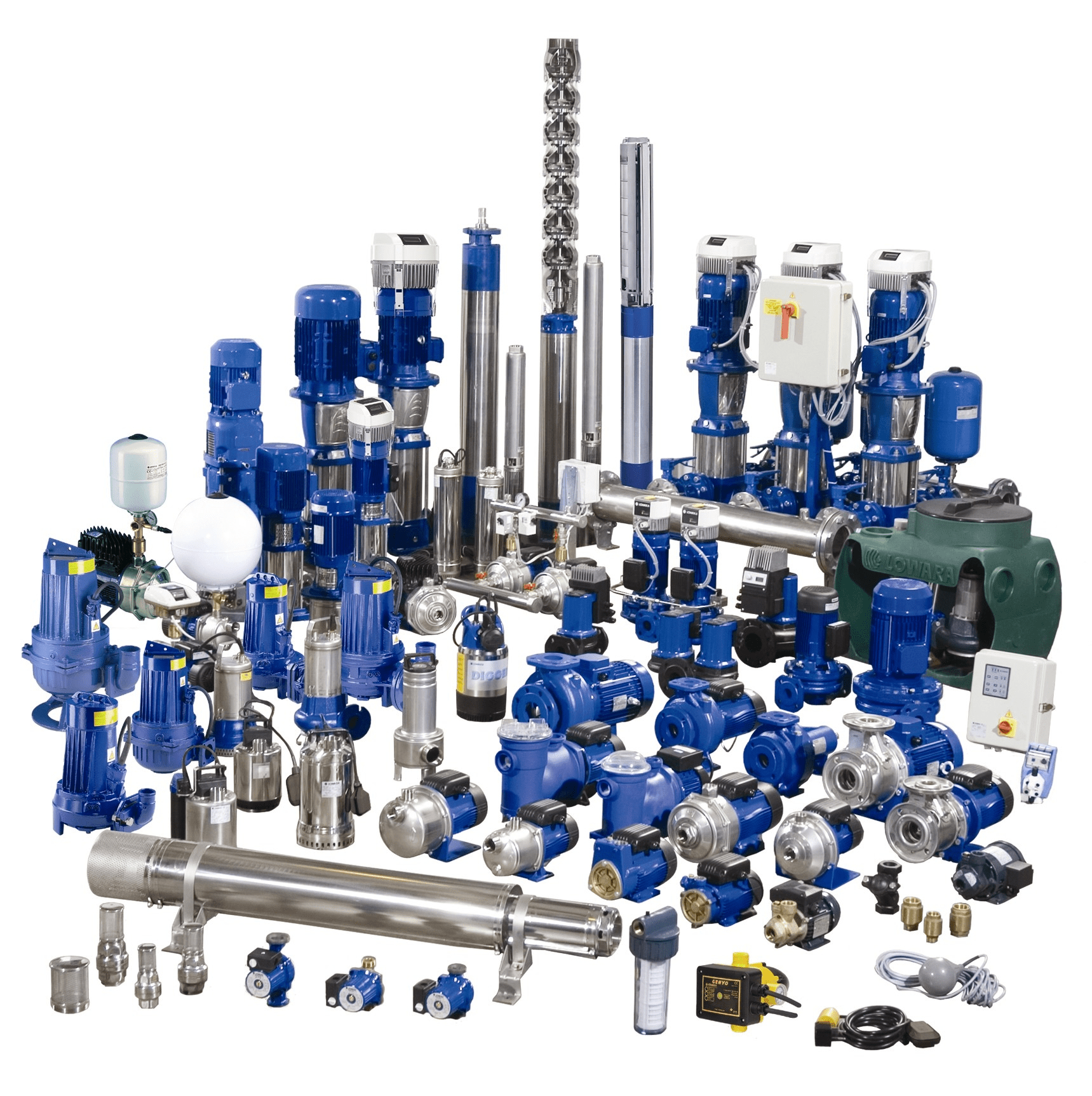
Kenya’s water pumping industry continues to expand rapidly as demand for reliable water access increases in both rural and urban areas. Communities, farms, industries, and households require efficient pumping systems to meet domestic, agricultural, and commercial needs. As water scarcity rises, selecting the right pump becomes more critical. Therefore, understanding how to slice a pump, calculate dynamic head, and account for friction losses ensures better performance and cost savings.
Steps to Slice a Pump
Slicing a pump involves analyzing the pumping requirements to ensure the right match between the borehole or booster pump and the application. The process includes:
- Determine Water Demand – Start by estimating the daily water requirement in cubic meters or liters. For example, a household may require 5,000 liters per day, while a farm may need 20,000 liters.
- Measure Borehole Depth – Identify the borehole depth and the static water level. This helps establish the starting point for pump sizing.
- Calculate Total Dynamic Head (TDH) – Add up all the pressure requirements, including suction lift, discharge head, and any elevation differences.
- Account for Friction Losses – Pipe length, diameter, fittings, and bends increase resistance to flow. Use standard friction loss charts to calculate these losses accurately.
- Select the Right Pump – Based on the TDH and required flow rate, choose a borehole submersible pump or a booster pump that meets the application’s demand.
- Check Pump Efficiency – Ensure the selected pump operates within its best efficiency point to reduce energy costs and extend lifespan.
Selecting Borehole Pumps in Kenya
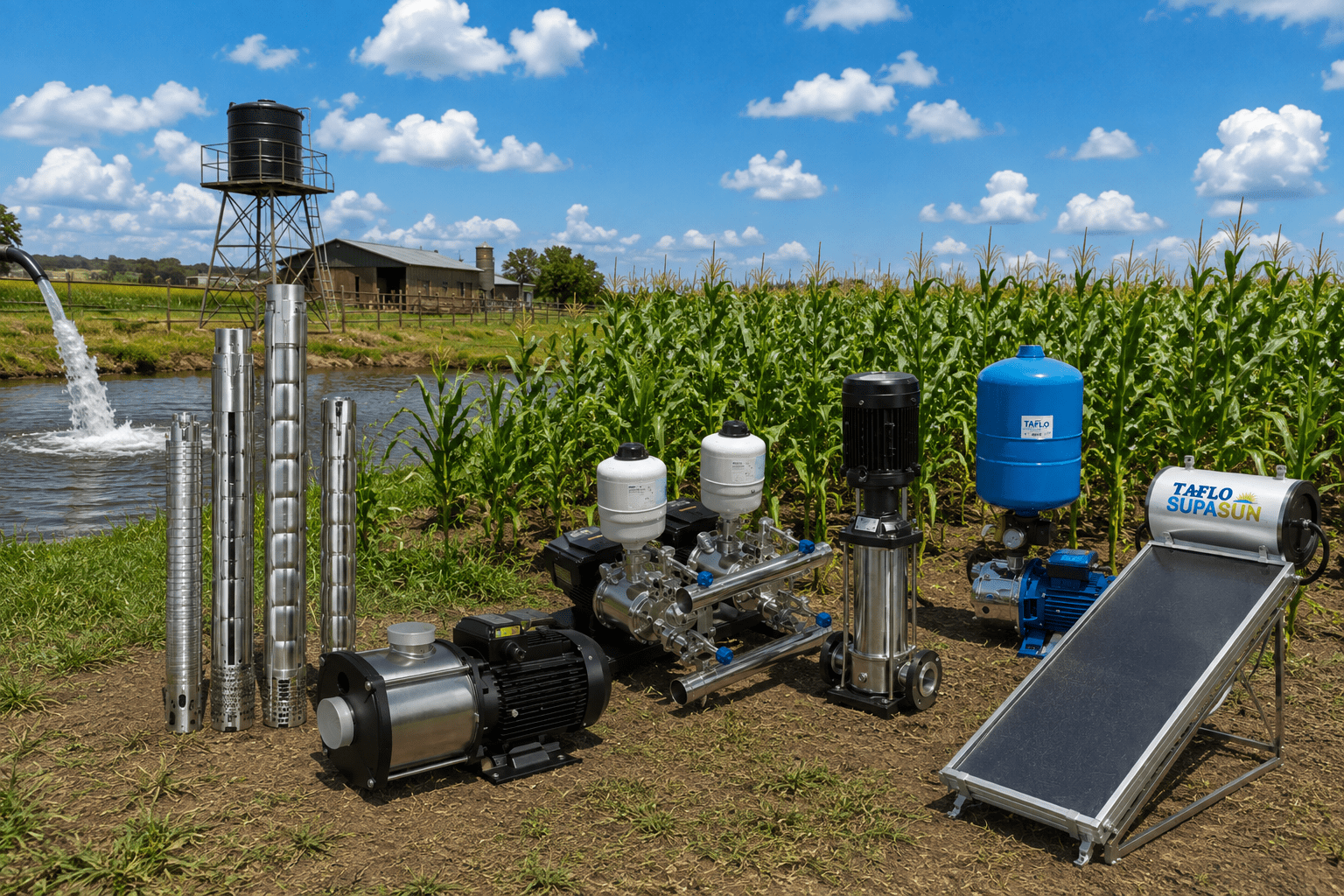
Borehole pumps remain the backbone of water supply in homes, institutions, and farms. When selecting a borehole pump, farmers and households must consider:
- Pump Diameter – Match the pump size with the borehole casing, typically 4″ or 6″.
- Flow Rate – Choose a pump that delivers the required liters per hour.
- Motor Capacity – Ensure the motor power supports the pump’s workload.
- Material Quality – Stainless steel pumps offer durability against corrosion.
In Kenya, borehole pumps serve estates, schools, industries, and irrigation projects, ensuring water remains accessible throughout the year.
Selecting Booster Pumps in Kenya
Booster pumps enhance pressure in systems where water supply already exists but needs higher flow. They are common in:
- Irrigation Systems – Farms use booster pumps to maintain steady flow across large fields.
- High-Rise Buildings – Buildings require boosters to deliver water to upper floors.
- Industrial Applications – Factories rely on constant water pressure for operations.
When selecting a booster pump, always match the pump to the system’s TDH and ensure the motor capacity matches the workload.
Calculating Dynamic Head and Friction Losses
The total dynamic head (TDH) guides pump selection. To calculate TDH:
- Static Head – Measure the vertical distance from the water source to the discharge point.
- Operating Pressure – Add the pressure required for the system (e.g., sprinklers).
- Friction Loss – Estimate the resistance caused by pipe length, bends, and fittings.
For example, a borehole delivering water to a farm 40 meters uphill with 200 meters of piping may have a TDH of 60–70 meters, depending on pipe diameter and fittings.
Kenya’s Growing Water Pumping Industry
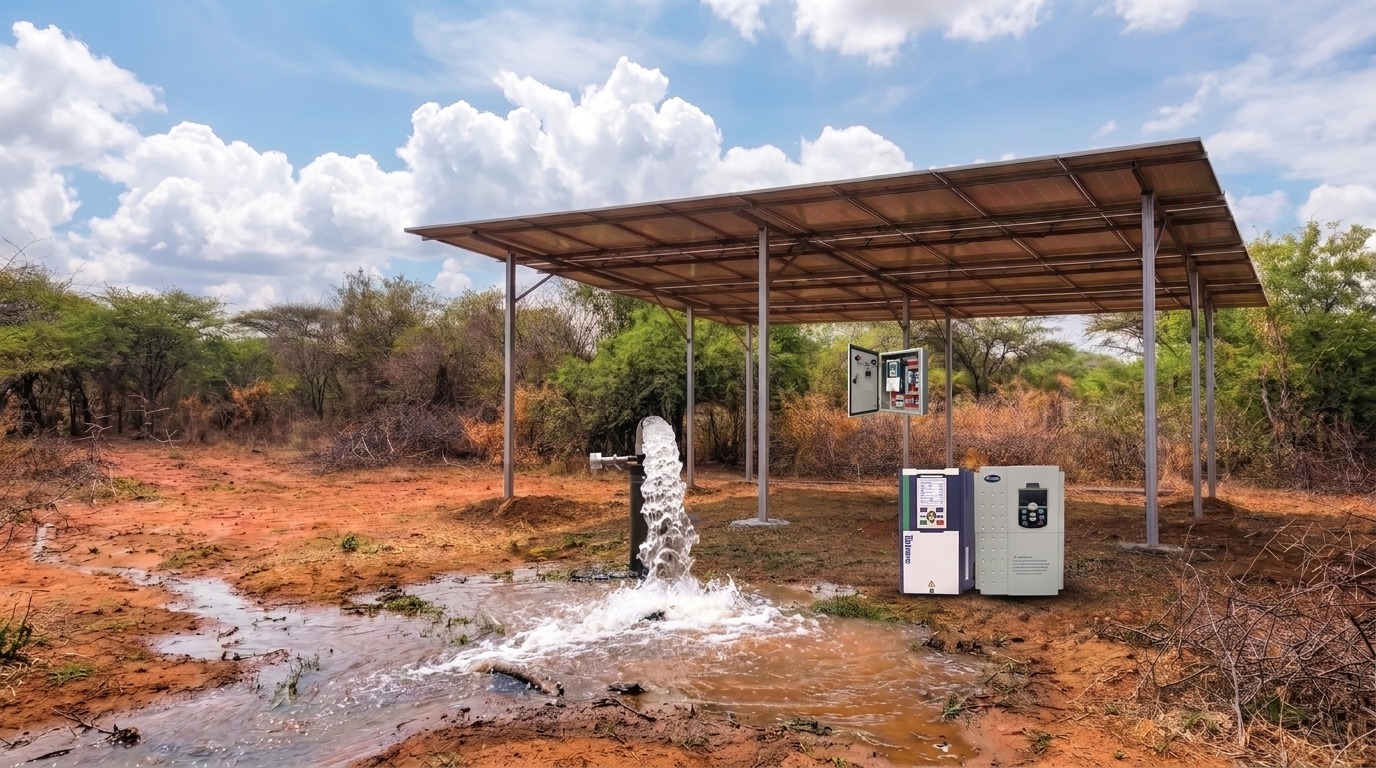
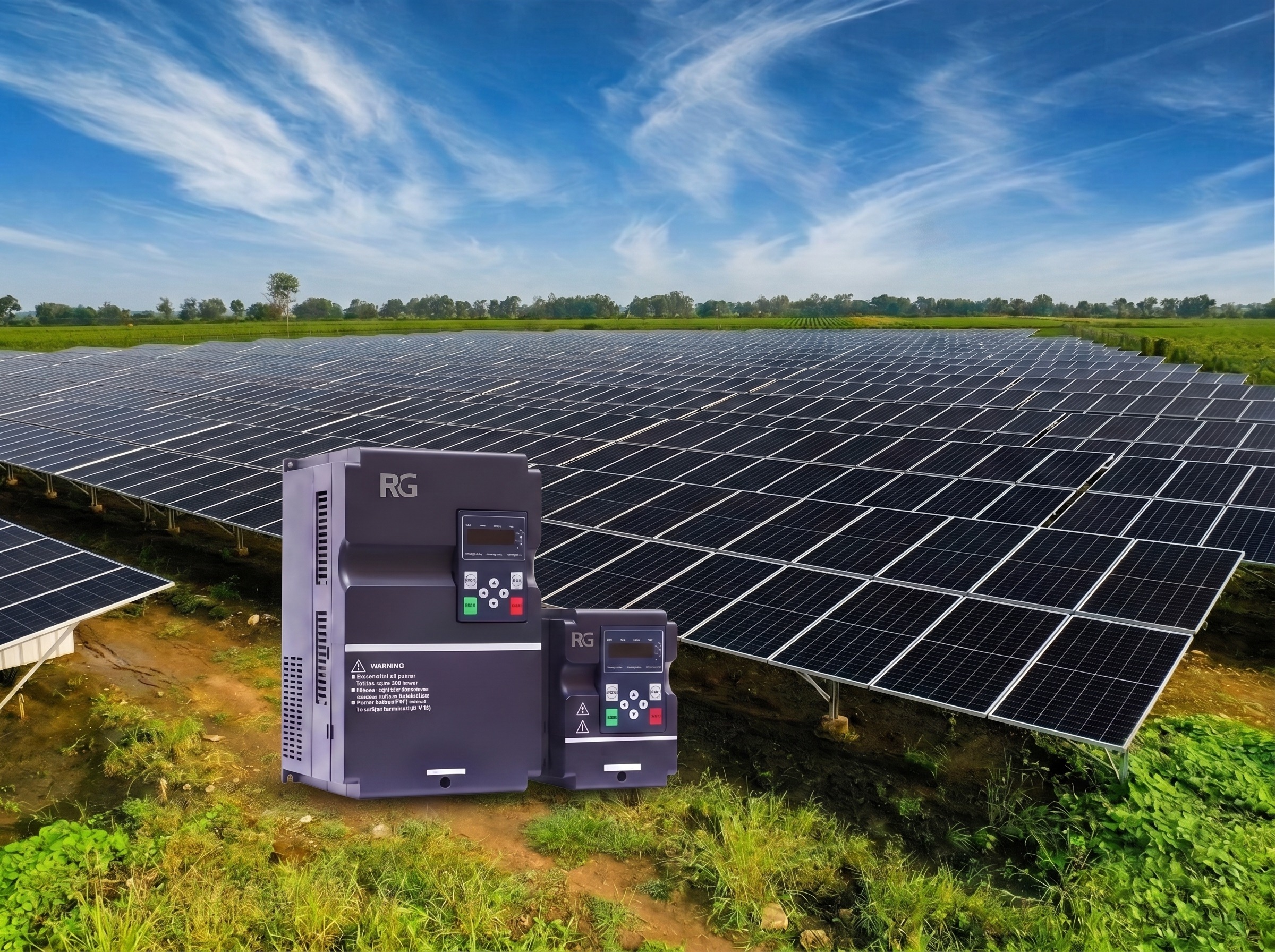
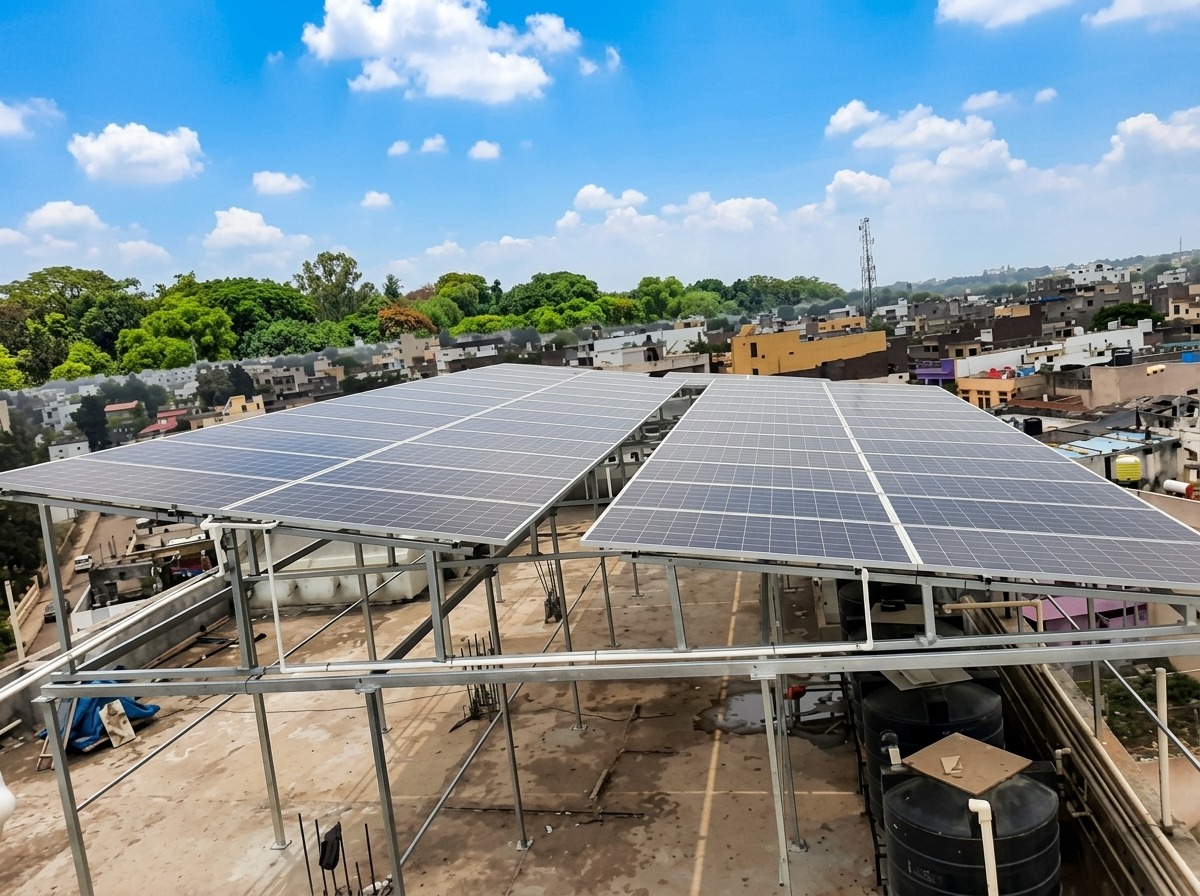
Kenya’s water pumping industry grows steadily as demand for clean and reliable water increases. Solar pumping solutions reduce reliance on electricity, while smart controllers and automation improve efficiency. Farmers now combine borehole pumps with booster systems to ensure consistent irrigation, boosting food production and resilience against climate change. Meanwhile, industries and estates adopt modern pumps to guarantee uninterrupted water supply.
Local companies supply high-quality pumps, while international brands expand into the Kenyan market. Additionally, government initiatives supporting clean energy adoption encourage the use of solar pumping systems, making the industry more sustainable. As the need for water grows, efficient pump selection and system design remain central to meeting Kenya’s water demands.