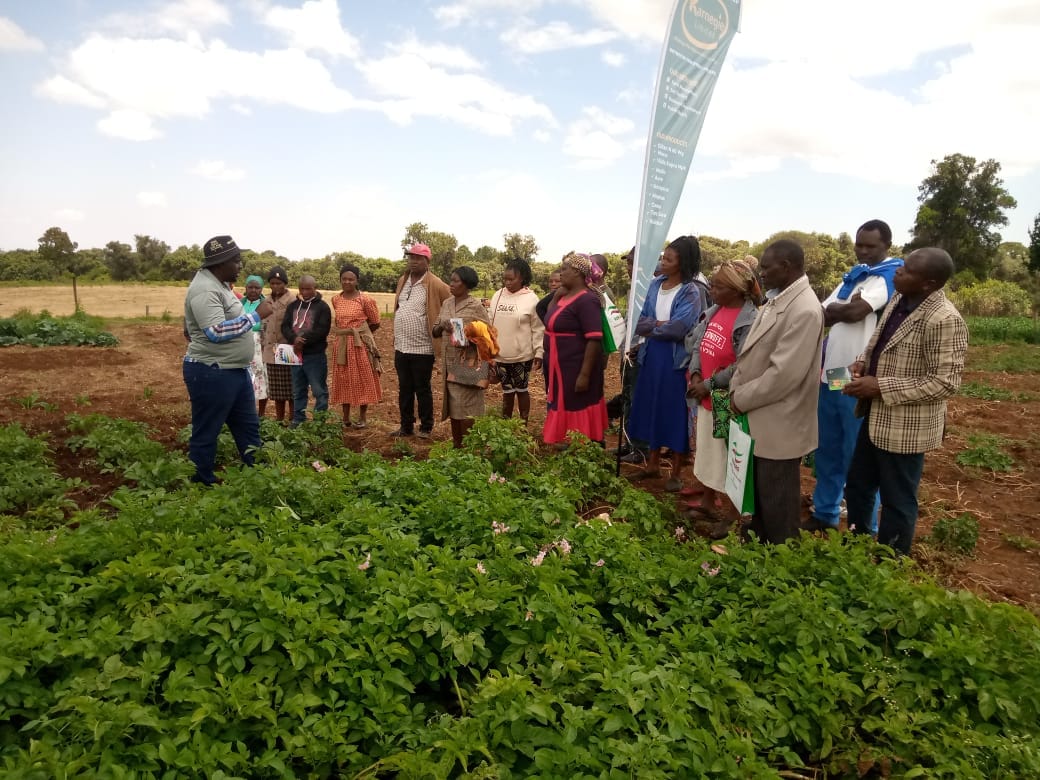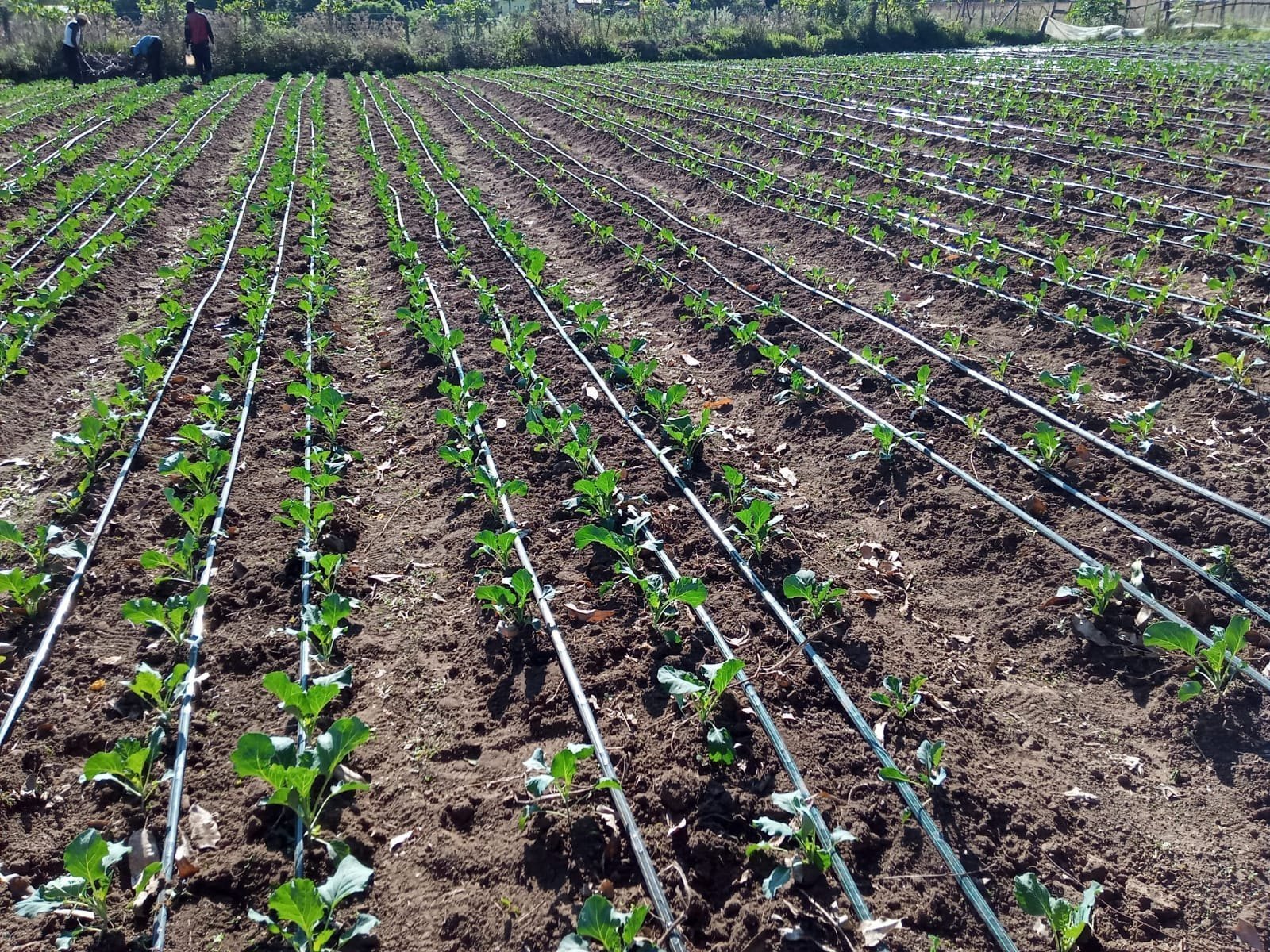

Agriculture drives Kenya’s economy, supporting more than 40% of the population and over 70% of rural households. Farming plays a vital role in food security, employment creation, and economic growth. However, many farmers face challenges such as climate change, poor soil fertility, and limited access to modern farming inputs. To improve farming and farm yield, Kenyan farmers must adopt smart practices, use quality seeds, and embrace clean energy solutions like solar water pumps.
Farming in Kenya: Opportunities and Challenges
Kenya’s farming landscape includes both small-scale subsistence farming and large-scale commercial agriculture. Farmers grow staples such as maize, beans, sorghum, and potatoes, alongside cash crops like tea, coffee, and horticulture. Yet, many still record low yields compared to global averages. For instance, maize yields average only 1.6 tons per hectare, while countries using advanced seed varieties and irrigation record up to 4.9 tons per hectare.
The low yields stem from inadequate water access, unpredictable weather, and the use of poor-quality seeds. Therefore, investing in high-yielding, drought-tolerant seed varieties and reliable irrigation systems becomes essential.
Importance of Using Quality Seeds
Seeds play the most critical role in determining crop performance and yields. Farmers who choose high-quality seeds achieve better germination rates, resistance to diseases, and higher productivity. In Kenya, several leading seed companies provide farmers with improved varieties suited for different regions and climates.
Some of the most trusted seed providers include:
- Syngenta Kenya – Known for hybrid maize seeds, vegetables, and crop protection products that maximize yields.
- Advanta Seeds – Offers sorghum, sunflower, and forage crop varieties designed for Kenya’s diverse conditions.
- Royal Seed Kenya – Specializes in vegetable seeds like tomatoes, onions, cabbages, and watermelons that guarantee excellent market value.
- Bayer East Africa – Supplies hybrid maize and horticultural seeds with high disease resistance and adaptability.
By choosing seeds from reputable companies, farmers reduce risks and increase profitability. For example, using drought-resistant maize hybrids from Syngenta or Bayer helps farmers in semi-arid areas maintain stable harvests even during dry seasons.
The Impact of Farming on Kenya’s Economy
Farming contributes directly to 33% of Kenya’s GDP and indirectly through trade, manufacturing, and transport. It also provides income for millions of smallholder farmers. When farmers improve yields, they increase household income, ensure food security, and strengthen local economies. Surplus produce creates opportunities for agribusiness, storage, and export, further boosting Kenya’s economic resilience.
Benefits Farmers Gain from Good Harvests
- Higher Incomes – Quality seeds and smart farming practices ensure more produce for sale.
- Food Security – Families consume nutritious harvests, reducing hunger and malnutrition.
- Access to Markets – Farmers with surplus harvests join supply chains for local and export markets.
- Resilient Livelihoods – Profits enable reinvestment in equipment, irrigation, and clean energy.
- Community Growth – Successful harvests create jobs in transport, storage, and trade.
Pathways to Improving Farming and Farm Yield
Farmers in Kenya can sustainably increase yields by combining modern technology with quality inputs. Some key strategies include:
- Adopting Improved Seed Varieties: Partnering with trusted seed companies like Syngenta, Advanta, Royal Seeds, and Bayer ensures high performance and adaptability.
- Smart Irrigation Systems: Solar-powered pumps and drip irrigation allow efficient water use, especially in dry regions.
- Soil Fertility Management: Regular soil testing and use of organic fertilizers improve productivity.
- Access to Finance: Credit facilities help farmers purchase quality seeds, irrigation kits, and fertilizers.
- Training and Extension Services: Farmers gain knowledge on crop rotation, pest management, and climate-smart agriculture.
- Market Linkages: Cooperatives and agritech platforms connect farmers to buyers, reducing post-harvest losses.
Farming, Yields, and the Future of Food Security
With Kenya’s population expected to grow rapidly, food demand will continue to rise. Farmers who invest in quality seeds from trusted providers, adopt irrigation solutions, and embrace sustainable practices will secure better yields and higher incomes. By combining clean energy solutions, smart irrigation, and improved seeds, Kenya can achieve food security while empowering farmers for long-term success.
Farming in Kenya is more than just planting crops—it is the foundation of economic growth, community resilience, and national prosperity. By improving farming and farm yield, farmers unlock opportunities for wealth creation, sustainability, and a brighter future.