
admin

Borehole Drilling in Kenya

Water Borehole Drilling in Kenya

Water Borehole Drilling in Kenya – Access to clean and reliable water sources is essential for both rural and urban communities. In Kenya, water borehole drilling has become a vital solution to water scarcity. This article explores the steps involved before actual drilling, types of drilling rigs, main drilling companies in Kenya, and the advantages of clean drinking water. Additionally, we will discuss the necessary equipment for drilling and equipping a borehole. Steps Before Actual Drilling Before drilling a borehole, several critical steps must be taken to ensure success: 1. Hydrogeological Survey First and foremost, a hydrogeological survey is essential. This study assesses the geological conditions and determines the most suitable location for drilling. Experts use various techniques, including geophysical surveys and historical data analysis, to identify potential water-bearing formations. Consequently, this step is crucial for ensuring the viability of the borehole. 2. Environmental Impact Assessment (EIA) Subsequently, an Environmental Impact Assessment (EIA) is conducted to evaluate the potential environmental effects of the drilling project. This assessment ensures that the project complies with environmental regulations and helps mitigate any adverse impacts. As a result, the EIA plays a key role in promoting sustainable development. 3. Obtaining Permits Next, obtaining the necessary permits from relevant authorities, such as the Water Resources Authority (WRA) in Kenya, is mandatory. These permits ensure that the project adheres to national water management policies and guidelines. Therefore, this step is vital for legal compliance and project legitimacy. 4. Site Preparation Once the permits are obtained, the site is prepared for drilling. This involves clearing vegetation, setting up access roads, and ensuring that the necessary equipment and materials are available on-site. Consequently, proper site preparation facilitates smooth and efficient drilling operations. Types of Drilling Rigs Various types of drilling rigs are used in borehole drilling, each suitable for different conditions: 1. Percussion Drilling Rigs Percussion rigs use a heavy bit to crush and penetrate rock formations. They are ideal for drilling in hard rock areas and are commonly used in rural regions with challenging geological conditions. Consequently, percussion rigs are highly effective in tough terrains. 2. Rotary Drilling Rigs Rotary rigs use a rotating drill bit to cut through soil and rock. They are versatile and can be used in a wide range of geological conditions, making them suitable for both urban and rural areas. As a result, rotary rigs are popular for their adaptability. 3. Auger Drilling Rigs Auger rigs use a helical screw to remove soil. They are primarily used for shallow boreholes in unconsolidated formations and are less suitable for hard rock drilling. Therefore, auger rigs are best for soft ground conditions. 4. Air Drilling Rigs Air drilling rigs use compressed air to remove cuttings from the borehole. They are effective in dry, hard rock conditions and are commonly used in arid regions. Consequently, air drilling rigs are ideal for areas with limited water availability. Main Drilling Companies in Kenya Several reputable companies offer borehole drilling services in Kenya: 1. Davis & Shirtliff Davis & Shirtliff is a leading water and energy solutions provider in Kenya. They offer comprehensive borehole drilling services, including hydrogeological surveys, drilling, and installation of pumping systems. Consequently, they are a trusted name in the industry. 2. Maji Drilling and Construction Ltd. Maji Drilling specializes in water well drilling and pump installation. They have extensive experience in drilling boreholes in various geological conditions across Kenya. As a result, they are known for their reliability and expertise. 3. Aqua Borehole Services Ltd. Aqua Borehole Services provides professional drilling services and water management solutions. They are known for their efficiency and use of modern drilling technology. Consequently, they are a preferred choice for many clients. 4. Rift Valley Machinery Services Ltd. Rift Valley Machinery offers a range of drilling services and equipment rental. They are well-equipped to handle large-scale drilling projects in both urban and rural areas. Therefore, they are suitable for diverse project requirements. Advantages of Clean Drinking Water Access to clean drinking water brings numerous benefits to communities: 1. Improved Health Firstly, clean water reduces the incidence of waterborne diseases such as cholera, dysentery, and typhoid, leading to better overall health and reduced healthcare costs. Consequently, it contributes to healthier communities. 2. Economic Growth Secondly, reliable water sources boost agricultural productivity and support small businesses, contributing to economic growth and poverty reduction. Therefore, clean water is a catalyst for economic development. 3. Enhanced Education Thirdly, access to clean water reduces the time spent collecting water, allowing children, especially girls, to attend school regularly and focus on their studies. Consequently, it promotes better educational outcomes. 4. Better Quality of Life Finally, clean water improves the quality of life by providing households with a reliable water source for drinking, cooking, and sanitation. Therefore, it enhances daily living conditions for communities. Equipment Needed for Drilling and Equipping a Borehole Successfully drilling and equipping a borehole requires various equipment and accessories: 1. Pumps Submersible pumps are commonly used for boreholes. They are installed deep within the borehole to lift water to the surface. Consequently, they are essential for water extraction. 2. Motors Electric motors power the pumps, providing the necessary energy to extract water from the borehole. Therefore, they are crucial for the pumping system’s functionality. 3. Pipes PVC or steel pipes are used to line the borehole and transport water from the pump to the surface. Consequently, they ensure the integrity and flow of the water system. 4. Submersible Cables These cables provide electrical power to the submersible pumps and are designed to operate underwater. Therefore, they are essential for connecting the power source to the pump. 5. Control Panels Control panels regulate the operation of the pump and motor, ensuring efficient and safe water extraction. Consequently, they are vital for system control and monitoring. 6. Pressure Tanks Pressure tanks store water and help maintain consistent water pressure in the distribution system. Therefore, they are important for stable water supply. 7. Safety Rope A safety rope is used to secure the pump…

Read More
Adopting Clean Energy in Kenya

Embracing Clean Energy in Kenya

Embracing Clean Energy in Kenya — Kenya has made significant strides in adopting clean energy, positioning itself as a leader in renewable energy within Africa. This article explores the growth of clean energy adoption in Kenya, focusing on solar energy, and recommends some of the best solar panel companies in the country known for their high Voltage Open Circuit (VOC) performance. Growth of Clean Energy in Kenya Kenya’s commitment to clean energy is evident through its ambitious goals and impressive achievements in renewable energy adoption. The country aims to achieve 100% renewable energy by 2030, leveraging its abundant natural resources such as sunlight, wind, and geothermal energy. Solar Energy Boom Solar energy has seen substantial growth in Kenya due to its accessibility and cost-effectiveness. With an average of 5-7 peak sunlight hours per day, Kenya is well-positioned to harness solar power. Consequently, both residential and commercial sectors are increasingly turning to solar energy solutions to meet their power needs. Government Initiatives and Policies Kenya’s government has played a pivotal role in promoting clean energy. Policies such as tax incentives for solar equipment and the Rural Electrification Authority’s (REA) initiatives have spurred the adoption of solar energy. Moreover, the introduction of net metering and feed-in tariffs has encouraged more investment in solar power. Private Sector and International Partnerships The private sector and international organizations have also contributed to the growth of clean energy in Kenya. Companies are investing in large-scale solar farms, while NGOs and international partners are providing funding and technical support for renewable energy projects. As a result, Kenya has become a hub for clean energy innovation and development. Best Solar Panel Companies in Kenya For those looking to invest in solar energy, choosing the right solar panel company is crucial. Here are some of the top solar panel companies in Kenya known for their high VOC performance: 1. Davis & Shirtliff Davis & Shirtliff is a well-established company in Kenya’s solar market. They offer a range of high-quality solar panels with excellent VOC ratings, ensuring efficient energy conversion and reliability. Their products are suitable for both residential and commercial applications. 2. Sollatek Electronics (Kenya) Ltd. Sollatek is renowned for its robust and efficient solar panels. With a focus on innovation and quality, Sollatek provides solar solutions that deliver high VOC performance, making them a preferred choice for many Kenyans. Their extensive distribution network ensures easy access to their products nationwide. 3. Chloride Exide Kenya Ltd. Chloride Exide is a leading provider of solar energy solutions in East Africa. They offer a variety of solar panels known for their durability and high VOC ratings. Chloride Exide also provides comprehensive after-sales services, ensuring customer satisfaction and optimal performance of their solar systems. 4. M-KOPA Solar M-KOPA Solar has revolutionized solar energy access in Kenya with its pay-as-you-go model. Their solar panels are designed for high efficiency and come with impressive VOC ratings. M-KOPA’s affordable financing options make solar energy accessible to a broader population. 5. Solinc East Africa Solinc East Africa is a local manufacturer of high-quality solar panels. Their products are designed to withstand harsh climatic conditions and offer excellent VOC performance. Solinc’s commitment to quality and sustainability makes them a reliable choice for solar energy solutions. Conclusion The adoption of clean energy in Kenya is not only a testament to the country’s commitment to sustainable development but also a beacon of hope for the rest of Africa. The growth of solar energy, supported by favorable government policies, private sector investments, and international partnerships, has propelled Kenya towards a greener future. Choosing the right solar panel company is crucial for maximizing the benefits of solar energy. Companies like Davis & Shirtliff, Sollatek Electronics, Chloride Exide, M-KOPA Solar, and Solinc East Africa are leading the way with their high VOC performance and reliable products. In summary, Kenya’s journey towards clean energy adoption is a model for other nations to follow. By investing in quality solar solutions from reputable companies, businesses and households can contribute to a sustainable future while enjoying the benefits of renewable energy – Embracing Clean Energy in Kenya Contact Us: Website:  – Click HereWhatsApp | Call: +254 743 149 267 | + 254 738 352 258Email Address: info@trendblend.co.ke | sales@trendblend.co.keFollow our IG: @TrendBlendHubKe

Read More
Stainless Steel Borehole Pumps & Motors

Choosing the Right Stainless Steel Borehole Pumps & Motors

Choosing the Right Stainless Steel Borehole Pumps & Motors – When it comes to extracting groundwater efficiently and reliably, stainless steel borehole pumps and motors are essential. These components are crucial for ensuring a steady water supply, especially in areas where surface water is scarce. In this comprehensive guide, we will delve into the numerous advantages of stainless steel borehole pumps, the key specifications to consider when purchasing, and the steps to select the right pump for your needs. By understanding these elements, you can make an informed decision that ensures longevity and efficiency in your water extraction system. The Advantages of Stainless Steel Borehole Pumps Durability and Longevity Firstly, one of the most significant advantages of stainless steel borehole pumps is their exceptional durability. Unlike pumps made from other materials, stainless steel is highly resistant to corrosion and wear. This resistance is particularly important in environments where the water contains minerals or chemicals that can corrode traditional materials. Consequently, stainless steel pumps have a longer lifespan and require less frequent maintenance, resulting in cost savings over time. Corrosion Resistance Moreover, the natural corrosion resistance of stainless steel makes these pumps ideal for a variety of applications. Groundwater often contains elements that can degrade other materials, but stainless steel remains unaffected. This characteristic ensures that the pump operates efficiently and reliably, even in the most challenging conditions. Therefore, investing in stainless steel pumps translates to fewer replacements and repairs, enhancing overall operational efficiency. High Efficiency In addition to durability, stainless steel borehole pumps are designed for high efficiency. These pumps utilize advanced engineering to deliver the required water flow with minimal energy consumption. As a result, businesses and homeowners can enjoy lower energy bills and reduced environmental impact. High efficiency also means that the pump can handle greater workloads without compromising performance, making it suitable for both small-scale and large-scale applications. Key Specifications to Consider When Buying Borehole Pumps Pump Size and Type To begin with, it is essential to consider the size and type of the pump. The size of the pump must match the diameter of your borehole to ensure a proper fit and efficient operation. Common sizes range from 3 to 10 inches. Additionally, the type of pump—typically submersible for borehole applications—should be suitable for your specific needs. Submersible pumps are placed below the water level and push water to the surface, making them ideal for deep boreholes. Flow Rate and Head Next, you should evaluate the flow rate and head of the pump. The flow rate, measured in gallons per minute (GPM) or liters per second (LPS), indicates how much water the pump can deliver. It is crucial to assess your water requirements accurately and choose a pump that meets or exceeds this demand. Similarly, the head, which is the height the pump can lift water, must match the depth of your borehole and the distance to the delivery point. Selecting a pump with the appropriate head ensures efficient water extraction and delivery. Motor Power Equally important is the motor power, which determines the pump’s ability to lift and move water. Measured in horsepower (HP) or kilowatts (kW), the motor power must be sufficient to handle the required flow rate and head. Choosing the right motor power is a balancing act; overestimating can lead to unnecessary energy consumption, while underestimating can result in inadequate water supply. Therefore, it is advisable to consult with experts to determine the optimal motor power for your application. Material and Build Quality Furthermore, the material and build quality of the pump and motor components are critical factors. Ensure that both are made from high-quality stainless steel to guarantee resistance to corrosion and wear. High-quality materials not only enhance the longevity of the pump but also ensure that it performs efficiently under various conditions. Look for pumps with precision-engineered components for optimal performance and reliability. Efficiency and Energy Consumption Energy efficiency is another key consideration. Efficient pumps can significantly reduce operational costs and environmental impact. Look for models with high-efficiency ratings and advanced motor technology. Variable frequency drives (VFDs) are particularly beneficial as they adjust the pump’s speed to match the demand, further enhancing efficiency. By choosing an energy-efficient pump, you can enjoy long-term savings and contribute to sustainable water management practices. Warranty and Support Lastly, consider the warranty and support provided by the manufacturer. A comprehensive warranty and reliable customer support are essential for peace of mind. Ensure that the manufacturer offers a good warranty period and has a reputation for excellent after-sales service. This ensures that you have access to help and resources if any issues arise with your pump system. How to Select the Right Borehole Pump Assess Your Water Needs Firstly, determine your daily water usage requirements. Consider both peak and average usage to ensure that the pump can handle the demand. Understanding your water needs is the foundation of selecting the right pump, as it influences the required flow rate and motor power. Conduct a Borehole Test Secondly, conduct a professional borehole test to gather crucial information about the depth, water yield, and static water level. This data is essential for selecting a pump with the appropriate flow rate and head. A borehole test provides a clear understanding of the conditions your pump will operate under, ensuring that you choose a pump that can perform effectively. Consult with Experts Next, engage with professionals who have experience in borehole systems. They can provide valuable insights and recommendations based on your specific requirements and the characteristics of your borehole. Expert advice can help you avoid common pitfalls and select a pump that offers the best performance and reliability. Compare Brands and Models Additionally, research different brands and models of stainless steel borehole pumps. Compare their specifications, efficiency ratings, and customer reviews. Leading brands often provide higher quality and better support. By comparing options, you can identify the pump that offers the best value for your investment. Consider Future Needs Finally, think about potential future water needs. If you…

Read More
Industrial Pumps

High-Quality Industrial Pumps, Essential for Efficient Processing

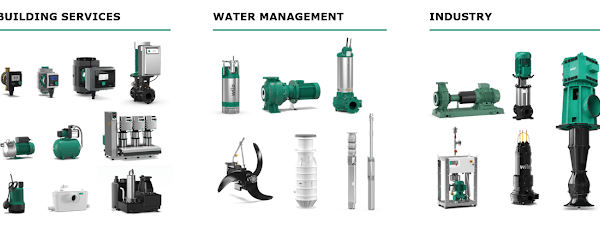
High-Quality Industrial Pumps, Essential for Efficient Processing – Industrial and processing operations rely heavily on robust and efficient pumping systems to ensure smooth and uninterrupted workflows. The use of high-quality pumps, including self-priming pumps, open impeller pumps, and stainless steel pumps, is crucial for maintaining operational efficiency and product quality. This article delves into the advantages and capabilities of these specialized pumps, highlighting their importance in industrial and processing environments. Self-Priming Pumps What Are Self-Priming Pumps? Self-priming pumps are designed to overcome the challenges of air binding, a common issue in traditional pumps. They can evacuate air from the suction line and create a vacuum, allowing the pump to draw liquid from the source and commence operation without the need for manual priming. Advantages of Self-Priming Pumps Open Impeller Pumps What Are Open Impeller Pumps? Open impeller pumps feature an impeller design with vanes that are not enclosed by a shroud. This design allows the pump to handle larger solids and more viscous fluids without clogging, making them ideal for industrial applications. Advantages of Open Impeller Pumps Stainless Steel Pumps What Are Stainless Steel Pumps? Stainless steel pumps are constructed from high-grade stainless steel, offering superior resistance to corrosion, chemical attack, and wear. These pumps are widely used in industries where hygiene, durability, and chemical compatibility are critical. Advantages of Stainless Steel Pumps Capabilities and Applications Self-Priming Pumps Self-priming pumps are widely used in applications such as: Open Impeller Pumps Open impeller pumps excel in: Stainless Steel Pumps Stainless steel pumps are indispensable in: Conclusion Investing in high-quality pumps, including self-priming pumps, open impeller pumps, and stainless steel pumps, is essential for any industrial and processing operation. These pumps offer significant advantages in terms of efficiency, versatility, durability, and safety. By understanding the unique benefits and capabilities of each type of pump, businesses can ensure optimal performance and reliability in their processes, ultimately leading to enhanced productivity and profitability – High-Quality Industrial Pumps, Essential for Efficient Processing Website:  – Click HereWhatsApp | Call: +254 743 149 267 | + 254 738 352 258Email Address: info@trendblend.co.ke | sales@trendblend.co.keFollow our IG: @TrendBlendHubKe
Read More
Drip Irrigation System

Drip Irrigation, The Future of Efficient Farming

Drip Irrigation, The Future of Efficient Farming – Drip irrigation is a revolutionary technique that delivers water directly to the roots of plants in a controlled and efficient manner. Moreover, this method not only conserves water but also enhances crop yields, making it an ideal solution for modern agriculture. Therefore, in this article, we will explore the advantages of adopting a drip irrigation system, its installation process, and why it is becoming a preferred choice for farmers worldwide. Advantages of Adopting Drip Irrigation 1. Water Efficiency One of the most significant advantages of drip irrigation is its water efficiency. Unlike traditional irrigation methods, which can waste a considerable amount of water through evaporation, runoff, and deep percolation, drip irrigation delivers water directly to the plant roots. This targeted approach minimizes water wastage and ensures that plants receive the optimal amount of moisture. 2. Enhanced Crop Yields Drip irrigation provides a consistent supply of water, which helps in maintaining optimal soil moisture levels. Consequently, this consistency reduces plant stress and promotes healthier growth, leading to higher crop yields. Additionally, the precise water application prevents overwatering and waterlogging, which can otherwise harm plant roots and reduce productivity. 3. Reduced Weed Growth By delivering water directly to the roots, drip irrigation limits the amount of water available to weeds. This targeted watering reduces weed growth, allowing crops to thrive without the competition for resources. Farmers can spend less time and money on weed control measures. 4. Fertilizer Efficiency Drip irrigation systems can be combined with fertigation, the process of delivering fertilizers through the irrigation system. This method ensures that nutrients are supplied directly to the plant roots, enhancing nutrient uptake and reducing fertilizer wastage. As a result, farmers can achieve better crop nutrition with lower fertilizer costs. 5. Improved Soil Health Traditional irrigation methods can lead to soil erosion and nutrient runoff, degrading soil quality over time. Drip irrigation, on the other hand, minimizes these issues by providing controlled and localized watering. This helps maintain soil structure, fertility, and overall health, contributing to sustainable farming practices. How is Drip Irrigation Installed? Installing a drip irrigation system involves several steps, which can vary depending on the specific requirements of the farm. Here is a general overview of the installation process: 1. Planning and Design The first step in installing a drip irrigation system is to plan and design the layout. This involves: 2. Setting Up the Mainlines and Sub-Mainlines additionally . once the design is finalized, the mainlines and sub-mainlines are installed. These pipes serve as the primary conduits for water distribution throughout the field. Typically, PVC or polyethylene pipes are used for this purpose. 3. Installing the Filters and Pressure Regulators To ensure the efficient operation of the system, filters and pressure regulators are installed. Filters remove debris and prevent clogging of the emitters, while pressure regulators maintain a consistent water pressure throughout the system. 4. Laying the Laterals and Emitters Next, the laterals (smaller pipes) are laid out along the crop rows. Emitters, which deliver water directly to the plant roots, are attached to the laterals at regular intervals. The spacing of emitters depends on the specific water requirements of the crops being irrigated. 5. Connecting to the Water Source The mainlines are connected to the water source, which can be a well, reservoir, or municipal water supply. Additionally, a pump may be required to ensure adequate water pressure, especially if the water source is at a lower elevation than the field. 6. Testing and Adjustments Before the system is fully operational, it is essential to test the entire setup. This involves checking for leaks, ensuring even water distribution, and making any necessary adjustments to the emitters and pressure regulators. Why Drip Irrigation is the Preferred Choice for Farmers Drip irrigation offers numerous benefits that make it an attractive option for farmers: Conclusion In conclusion, drip irrigation is a powerful tool for modern agriculture, offering unparalleled water efficiency, enhanced crop yields, and numerous other benefits. Lastly, by adopting drip irrigation, farmers can improve their productivity, reduce resource wastage, and contribute to sustainable farming practices. As water scarcity and climate change continue to challenge traditional farming methods, drip irrigation stands out as a viable and effective solution for the future of agriculture. Drip Irrigation The Future of Efficient Farming Contact Us: Website:  – Click HereWhatsApp | Call: +254 743 149 267 | + 254 738 352 258Email Address: info@trendblend.co.ke | sales@trendblend.co.keFollow our IG: @TrendBlendHubKe

Read More
Automated Irrigation

Automated Irrigation, Revolutionizing Agriculture in Africa

Automated Irrigation, Revolutionizing Agriculture in Africa – Automated irrigation technology is transforming agriculture by providing efficient and precise water management solutions. As water scarcity and climate variability increasingly threaten traditional farming methods, automated irrigation offers a promising alternative. This article explores the advantages of automated irrigation and explains why African countries, particularly Kenya, should adopt this innovative approach. Advantages of Automated Irrigation Water Efficiency One of the most significant benefits of automated irrigation is its water efficiency. Traditional irrigation methods, such as flood or furrow irrigation, often result in significant water wastage. Conversely, automated systems use sensors and smart controllers to deliver the exact amount of water needed, reducing waste and conserving this precious resource. This is crucial in regions like Kenya, where water scarcity is a pressing issue. Enhanced Crop Yields Moreover, automated irrigation systems can significantly boost crop yields. By providing consistent and precise watering, these systems ensure that crops receive the optimal amount of water at the right times. This consistency reduces plant stress and promotes healthier growth, leading to higher yields and better quality produce. In turn, this can enhance food security and increase farmers’ incomes. Labor Savings In addition, automated irrigation reduces the need for manual labor. Traditional irrigation requires significant human effort to monitor and manage water distribution. Automated systems, however, operate with minimal human intervention, freeing up labor for other essential farming tasks. This efficiency can lead to cost savings and improved farm productivity. Environmental Benefits Furthermore, automated irrigation has several environmental benefits. Precise water application reduces runoff and soil erosion, protecting local ecosystems. Additionally, it can minimize the leaching of fertilizers and pesticides into water bodies, reducing pollution and promoting a healthier environment. Why African Countries Should Adopt Automated Irrigation Addressing Climate Change Climate change poses a significant threat to agriculture in Africa. With unpredictable rainfall patterns and increasing droughts, traditional farming methods are becoming less viable. Automated irrigation systems can help mitigate these impacts by ensuring reliable water supply, regardless of weather conditions. This resilience is vital for maintaining agricultural productivity in the face of climate change. Supporting Smallholder Farmers Automated irrigation can also support smallholder farmers, who make up a large portion of the agricultural sector in African countries like Kenya. These farmers often lack access to reliable water sources and modern farming technologies. By adopting automated irrigation, they can improve their crop yields and livelihoods. Moreover, the scalability of these systems makes them suitable for farms of all sizes, from small plots to large estates. Economic Growth Adopting automated irrigation can drive economic growth. Agriculture is a critical sector in many African economies, including Kenya. By enhancing agricultural productivity and efficiency, automated irrigation can contribute to economic development, create jobs, and reduce poverty. Furthermore, the adoption of advanced technologies can attract investment and foster innovation in the agricultural sector. Government Support and Policy Finally, government support and favorable policies can facilitate the adoption of automated irrigation. By providing subsidies, training programs, and technical assistance, governments can help farmers transition to automated systems. Additionally, investment in research and development can lead to the creation of affordable and locally adapted irrigation technologies. Conclusion Automated irrigation is a game-changer for agriculture in Africa (Automated Irrigation Revolutionizing Agriculture in Africa). Its advantages, including water efficiency, enhanced crop yields, labor savings, and environmental benefits, make it a compelling solution for modern farming challenges. For countries like Kenya, adopting automated irrigation is not just a necessity but a strategic move towards sustainable agricultural development. With the right support and policies, automated irrigation can revolutionize farming in Africa, ensuring food security and economic growth for future generations. Contact Us: Website:  – Click HereWhatsApp | Call: +254 743 149 267 | + 254 738 352 258Email Address: info@trendblend.co.ke | sales@trendblend.co.keFollow our IG: @TrendBlendHubKe

Read More