admin

Combating Climate Change in Kenya

Combating Climate Change in Kenya

Combating Climate Change in Kenya – Climate change poses a significant threat to Kenya, impacting its environment, economy, and the well-being of its people. As a country with diverse ecosystems and a growing population, Kenya must take proactive steps to mitigate the effects of climate change. This article outlines practical measures that individuals and organizations can adopt to help prevent climate change and ensure a sustainable future. Understanding the Impact of Climate Change in Kenya Kenya’s climate is characterized by both arid and semi-arid regions, with agriculture being a major economic activity. Climate change has led to unpredictable weather patterns, prolonged droughts, and intense flooding, adversely affecting food security, water resources, and biodiversity. To address these challenges, concerted efforts from all sectors of society are required. Measures Individuals Can Take Measures Organizations Can Take Government and Policy Measures In addition to individual and organizational actions, government policies play a crucial role in combating climate change. The Kenyan government can: Conclusion Preventing climate change in Kenya requires a collaborative effort from individuals, organizations, and the government. By adopting sustainable practices, investing in renewable energy, and raising awareness, we can collectively mitigate the impacts of climate change and ensure a sustainable future for Kenya. Each action, no matter how small, contributes to the larger goal of protecting our planet for future generations. Contact Us: Contact Us:Contact TrendBlend HubWebsite:  – Click HereWhatsApp | Call: +254 743 149 267 | + 254 738 352 258Email Address: info@trendblend.co.ke | sales@trendblend.co.keFollow our IG: @TrendBlendHubKe

Read More
Clean Water in Communities

Water The Lifeblood of Communities

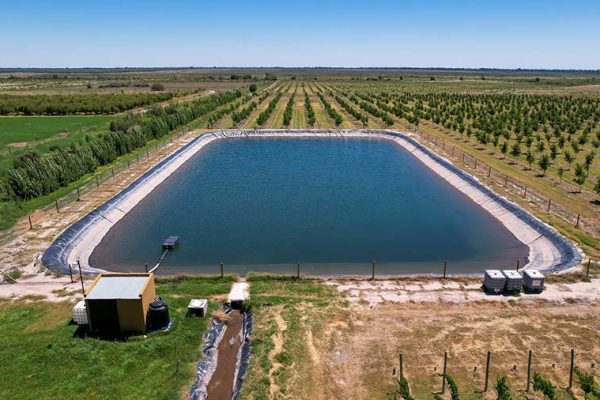
Water The Lifeblood of Communities – Water is an essential resource that underpins all aspects of life. From supporting our daily needs to driving economic activities, water is vital for the sustainability and growth of communities. This article explores the importance of water in both rural and urban areas and highlights the myriad benefits of having reliable access to clean water. Importance of Water in Communities Health and Well-Being Water is crucial for maintaining good health. Clean drinking water prevents the spread of waterborne diseases, which are particularly prevalent in areas with inadequate water supply and sanitation facilities. Access to clean water reduces the incidence of illnesses such as diarrhea, cholera, and typhoid, significantly improving the overall health and well-being of the community. Economic Development Water is a key driver of economic activities. In agriculture, it is necessary for irrigation, livestock, and crop production. Reliable water sources enable farmers to increase yields and improve food security. In industrial sectors, water is used in manufacturing processes, power generation, and as a coolant in various industries. Access to water resources stimulates economic growth by supporting these activities and creating jobs. Education Access to water significantly impacts education, especially in rural areas. When children, particularly girls, are not burdened with the task of fetching water from distant sources, they can attend school regularly. Clean water in schools also means better sanitation facilities, which contribute to a healthier learning environment. Environmental Sustainability Water is vital for maintaining healthy ecosystems. Rivers, lakes, and wetlands provide habitats for a wide range of species and play a critical role in biodiversity. Sustainable water management practices ensure that these ecosystems remain intact, preserving the natural environment for future generations. Advantages of Access to Water in Rural Areas Agriculture and Livelihoods In rural areas, agriculture is often the primary source of livelihood. Reliable access to water for irrigation allows farmers to cultivate crops throughout the year, increasing food production and income. This stability can lead to improved living standards and reduced poverty levels. Improved Quality of Life Access to clean water in rural areas means better health and hygiene. Households can maintain cleanliness, reducing the risk of disease. Additionally, having water available close to home saves time and energy, allowing community members to engage in other productive activities. Empowerment of Women and Girls In many rural communities, women and girls are responsible for collecting water. Access to water reduces the time spent on this task, enabling them to pursue education, participate in economic activities, and engage in community life. This empowerment has a positive ripple effect on the entire community. Advantages of Access to Water in Urban Areas Public Health In urban areas, densely populated communities depend on a reliable supply of clean water to prevent the spread of diseases. Access to safe drinking water and adequate sanitation facilities is essential for maintaining public health and preventing outbreaks of waterborne diseases. Economic Productivity Urban areas are hubs of economic activity, and water is integral to various industries and services. From manufacturing to hospitality, businesses rely on water to operate efficiently. Reliable water supply ensures that these industries can function smoothly, contributing to the overall economy. Urban Planning and Development Water infrastructure is a fundamental component of urban planning. Efficient water management systems, including supply and drainage networks, are essential for the development and maintenance of cities. Properly planned water systems support sustainable urban growth and improve the quality of life for residents. Conclusion Water is the lifeblood of communities, essential for health, economic development, education, and environmental sustainability. Whether in rural or urban areas, access to clean water brings numerous benefits, improving the quality of life and fostering community growth. As we continue to develop and expand, it is crucial to prioritize water access and management to ensure a sustainable and prosperous future for all. Contact Us: Contact TrendBlend HubWebsite:  – Click HereWhatsApp | Call: +254 743 149 267 | + 254 738 352 258Email Address: info@trendblend.co.ke | sales@trendblend.co.keFollow our IG: @TrendBlendHubKe

Read More
The Future of Students Bursaries in Kenya

The Future of Students Bursaries in Kenya

The Future of Students Bursaries in Kenya – In recent deliberations among Kenyan Members of Parliament (MPs), the future of bursaries for young Kenyans has emerged as a contentious issue. Lurambi MP Titus Khamala has revealed that MPs are contemplating ceasing the issuance of these educational grants due to mounting public criticism and insults directed at them. This revelation has sparked significant debate and concern among Kenyans, especially online, where many question the adequacy and rationale behind current bursary disbursements. Khamala, in a video shared on IG Ulizalinks, expressed frustration, stating, “As MPs, we have unanimously agreed that the CDF, which causes us trouble, insults MPs. Nowadays, I am called a supreme pig.” The term “Mpigs,” often used derogatorily to criticize politicians for perceived greediness, underscores the contentious nature of the debate. ODM Criticism. The Orange Democratic Movement (ODM) MP further emphasized that criticism of the National Government Constituency Development Fund (NG-CDF) has been particularly bothersome. He raised valid questions about whether bursaries truly benefit Generation Z and Millennials, suggesting alternative avenues such as seeking support from the Higher Education Loans Board (HELB) or approaching the Ministry of Education and county governments for educational financial aid. As discussions unfold, the fate of bursaries hangs in the balance. MPs are deliberating on how best to address the educational financial needs of younger generations amidst increasing scrutiny and challenges. The prospect of discontinuing bursaries has sparked concerns about the potential impact on students who rely on these funds to pursue their education. Critics argue that bursaries play a crucial role in providing equitable access to education, especially for economically disadvantaged students. They contend that any decision to curtail or eliminate these grants could exacerbate inequalities and limit educational opportunities for vulnerable populations. Proponents of reform argue that restructuring the bursary system could lead to more efficient and equitable distribution of funds, ensuring that they reach those who need them most. They suggest exploring alternative mechanisms to support students, including leveraging partnerships with private sector stakeholders or enhancing existing financial aid programs. In conclusion, while the debate over the future of bursaries in Kenya continues, it is essential to consider the broader implications for educational equity and access. MPs face the challenge of balancing public scrutiny with the imperative to support educational advancement. Ultimately, finding a sustainable solution that addresses both financial constraints and educational needs remains paramount in shaping the future landscape of bursaries in Kenya. Contact TrendBlend Hub:Website:  – Click HereWhatsApp | Call: +254 743 149 267 | + 254 738 352 258Email Address: info@trendblend.co.ke | sales@trendblend.co.keFollow our IG: @TrendBlendHubKe

Read More
Floods Strike Mai Mahiu

Floods Strike Mai Mahiu

Floods Strike Mai Mahiu – In the serene village of Mai Mahiu, Nakuru County, tragedy struck with relentless force. As night descended on Sunday, torrential rains unleashed chaos upon the unsuspecting community, triggering devastating flash floods that swept away homes and lives alike. Originating from a nearby river that breached its banks, the calamity unfolded swiftly and mercilessly. Over 20 Souls Lost Moreover, the aftermath paints a bleak picture: twenty souls lost, families shattered, and a community left grappling with the unimaginable aftermath. With commendable swiftness, the Kenya Red Cross mobilized teams alongside local authorities and community members to provide aid and support amidst the chaos. Nonetheless, the sheer scale of devastation serves as a stark reminder of the frailty of life and the unpredictability of natural disasters. Furthermore, the grim reality of the Nakuru County flash floods underscores the urgent need for proactive measures to mitigate future catastrophes. Climate change exacerbates the vulnerability of communities like Mai Mahiu, with its erratic weather patterns and escalating storm intensity. As condolences are extended to the bereaved families, it is imperative to contemplate the broader implications of environmental degradation and prioritize resilience-building initiatives. Subsequently, amidst the adversity, the resilience and solidarity displayed by the people of Mai Mahiu shine as a beacon of hope amidst the darkness. Communities banding together, offering support and solace, epitomize the essence of humanity in times of crisis. Beyond immediate relief efforts, the implementation of long-term strategies for disaster preparedness, early warning systems, and sustainable development practices becomes paramount in safeguarding vulnerable populations from future calamities. Solidarity Consequently, as we stand in solidarity with the residents of Mai Mahiu and all those affected by the Nakuru County flash floods, let us not only mourn the loss but also commit ourselves to concerted action. Advocating for policies that prioritize environmental conservation, investing in resilient infrastructure, and empowering communities to withstand the ravages of nature are essential steps towards a more resilient future. Together, we can forge a path where tragedies like this are not merely mourned but prevented. In conclusion, amidst the somber backdrop of grief, let us derive strength from our shared humanity, our capacity for compassion, and our unwavering resolve to build a better tomorrow. In the darkest of times, it is our resilience and unity that illuminate the path forward. Contact TrendBlend Hub: Website:  – Click HereWhatsApp | Call: +254 743 149 267 | + 254 738 352 258Email Address: info@trendblend.co.ke | sales@trendblend.co.keFollow our IG: @TrendBlendHubKe

Read More
Floods in Kenya

Coping with Flood Disasters – Kenya’s Ongoing Struggle

Coping with Flood Disasters – In recent times, flooding has devastated Kenya, leaving communities in turmoil and severely compromising infrastructure. One such poignant example unfolded in Kagio town, Kirinyaga County, where raging waters stranded hundreds of passengers and motorists along Kagio-Kutus-Sagana roads. The aftermath of the deluge has been nothing short of harrowing. Traders, residents, and motorists alike have voiced their frustrations, pointing fingers at the government for its perceived failure to implement lasting solutions to mitigate flooding in the Calabash area. Despite reassurances from local authorities about unblocking drainage systems, the reality on the ground paints a starkly different picture, with losses mounting and livelihoods hanging in the balance. Locals Nightmare Among the aggrieved locals are traders like Peter Wanjohi, who lament the recurring nightmare of flooded stores and mounting financial losses. The situation exacerbates accusations leveled against the Kenya National Highways Authority (KENHA), with locals alleging negligence in allowing the construction of a new petrol station near the road, coupled with insufficient culverts along the route. The consequences are dire, with electric poles falling victim to the relentless floods, plunging the town into darkness and disrupting both domestic and commercial activities. The plight of Kagio town serves as a microcosm of a larger crisis unfolding across Kenya, where floods have become an all-too-familiar adversary. Additionally, From the shores of Lake Victoria to the low-lying areas of the Tana River basin, communities grapple with the destructive force of nature, displacing families and claiming lives in their wake. Floods All Over In the western region, counties bordering Lake Victoria, such as Kisumu and Siaya, bear the brunt of relentless rains, leading to widespread flooding and displacement. Inadequate infrastructure and poor drainage exacerbate the situation, leaving communities vulnerable and ill-equipped to deal with the aftermath. Further inland, the Tana River basin has become synonymous with flooding, with annual deluges wreaking havoc on both lives and livelihoods. Displaced families are forced to seek refuge in makeshift camps, grappling with the loss of homes, possessions, and, in some tragic cases, loved ones swept away by the unforgiving currents. In the face of such adversity, the need for proactive disaster response measures has never been more urgent. Kirinyaga Governor Anne Waiguru’s initiation of emergency response measures is a step in the right direction, yet the pace of implementation leaves much to be desired. For affected communities, the wait for relief is agonizing, with every passing day marking a further descent into uncertainty and despair. As the waters recede and the true extent of the damage emerges, both local and national authorities must rally together to provide meaningful assistance and long-term solutions. Investment in resilient infrastructure, robust disaster preparedness strategies, and community empowerment initiatives are crucial steps towards building a more resilient Kenya, capable of weathering the storms that lie ahead. Kenyan Spirit In the face of adversity, the resilience of the Kenyan spirit shines through. Communities come together, offering support and solidarity in the face of overwhelming challenges. It is in these moments of unity that the true strength of a nation is revealed, inspiring hope for a brighter, more resilient future. In conclusion, the plight of Kagio town serves as a stark reminder of the ongoing struggle against flooding in Kenya. From displaced families to devastated communities, the toll of this natural disaster is immeasurable. Yet, amidst the chaos, there is resilience, there is hope, and there is a collective determination to overcome. It is in this spirit of unity and perseverance that Kenya will emerge stronger, more resilient, and better equipped to face whatever challenges lie ahead. Contact TrendBlend Hub: Website:  – Click HereWhatsApp | Call: +254 743 149 267 | + 254 738 352 258Email Address: info@trendblend.co.ke | sales@trendblend.co.keFollow our IG: @TrendBlendHubKe

Read More
Carrefour introduces a self-checkout service at The Hub store.

Carrefour Introduces Self-Checkout Service at The Hub Store

Carrefour Introduces Self-Checkout Service – Carrefour, a retail giant owned by Majid Al Futtaim and operating exclusively in Kenya, has unveiled its innovative self-checkout service at The Hub store. This new offering is a testament to the brand’s unwavering dedication to enhancing customer experiences by streamlining the shopping process. The self-checkout service empowers customers to navigate their shopping journey independently, eliminating the need for cashier assistance at the traditional cash counters. By leveraging this convenient option, shoppers can effortlessly browse through products, select their desired items, and complete their purchases swiftly and efficiently. The Key Advantages One of the key advantages of the self-checkout service is its ability to alleviate the challenges associated with long queues and waiting times. With this innovative solution, customers can bid farewell to frustrating delays and enjoy a seamless shopping experience from start to finish. The Hub store marks the third Carrefour location in Kenya to introduce the self-checkout feature, following successful implementations at the Westgate Shopping Mall and the Village Market. This expansion underscores Carrefour’s commitment to embracing cutting-edge technology and catering to the evolving needs of its discerning clientele. Moreover, the self-checkout lane at The Hub store accepts a variety of cashless payment options, including M-Pesa, debit or credit cards, and MyCLUB loyalty points. This comprehensive range of payment methods offers customers unparalleled flexibility and convenience, ensuring a hassle-free transaction process. Additionally, by embracing self-checkout technology, Carrefour aims to revolutionize the retail landscape in Kenya and set new standards for customer service excellence. The introduction of this innovative service reaffirms Carrefour’s position as a frontrunner in the retail industry, dedicated to delivering unparalleled convenience and satisfaction to shoppers across the country. As Carrefour continues to innovate and enhance its offerings, customers can look forward to more exciting developments aimed at further elevating their shopping experiences. Lastly, with a steadfast commitment to innovation and customer-centricity, Carrefour remains poised to redefine the future of retail in Kenya and beyond. Contact TrendBlend Hub: Website:  – Click HereWhatsApp | Call: +254 743 149 267 | + 254 738 352 258Email Address: info@trendblend.co.ke | sales@trendblend.co.keFollow our IG: @TrendBlendHubKe

Read More