

Water and Clean Energy
At TrendBlend Hub, our commitment to fostering a sustainable future is epitomized by the Water and Clean Energy category. This informative space serves as a beacon of enlightenment, educating people worldwide on the paramount importance of water and clean energy. To achieve this, our comprehensive category spans a spectrum of topics, seamlessly connecting clean energy solutions, solar technology, water conservation, sustainable farming practices, efficient irrigation methods, pumping systems, and much more.
Clean Energy Advocacy
In our relentless pursuit of a greener planet, the Clean Energy aspect of this category rightfully takes center stage. Here, we delve into the latest advancements in renewable energy, highlighting the significance of transitioning to sustainable power sources. In collaboration with clean energy companies worldwide, we bring our audience insights into innovative technologies, eco-friendly practices, and the positive impact these solutions have on both the environment and our daily lives.
Harnessing Solar Power
A crucial subset of our Clean Energy focus is the utilization of solar power. Through in-depth articles and features, we systematically explore the growing trend of solar energy adoption. In addition, from residential solar panels to large-scale solar farms, our content aims to demystify solar technology, making it accessible and understandable for readers globally. Notably, TrendBlend Hub is proud to collaborate with leading solar companies, sharing their expertise to encourage the widespread adoption of solar solutions.
Water, Farming, and Irrigation
Transitioning seamlessly to the vital nexus of water, farming, and irrigation, our category spotlights sustainable agricultural practices that contribute to water conservation and energy efficiency. Within these informative pieces, we delve into the intersection of modern technology and traditional farming methods, showcasing innovations in efficient irrigation systems that optimize water usage. Nevertheless, our collaboration with global players in the agricultural and irrigation sectors ensures a wealth of insights, empowering farmers with knowledge that enhances productivity while minimizing environmental impact.
Global Collaborations
Central to our mission is fostering collaboration with water and clean energy companies worldwide. By establishing partnerships with industry leaders, TrendBlend Hub ensures that our content is informed by cutting-edge developments and expert insights. Besides these invaluable collaborations enable us to deliver credible, up-to-date information that empowers individuals, businesses and communities to make informed decisions for a more sustainable future.
Why It Matters
The Water and Clean Energy category at TrendBlend Hub transcends geographical boundaries, emphasizing the global significance of water conservation and clean energy adoption. Additionally, as a cohesive narrative, it serves as a platform for individuals and organizations to understand the urgency of embracing eco-friendly practices. By disseminating knowledge on sustainable solutions, we aim to inspire collective action, driving positive change on a global scale.
In conclusion, our Water and Clean Energy category is not merely a collection of articles; it is a commitment to environmental stewardship and a call to action. Through education, collaboration, and advocacy, TrendBlend Hub strives to empower individuals to make choices that benefit both the planet and future generations. Lastly, join us in this transformative journey towards a sustainable, clean energy future and where every drop of water and every watt of energy counts. Finally, TrendBlend Hub is your Home for Clean Energy and Water.
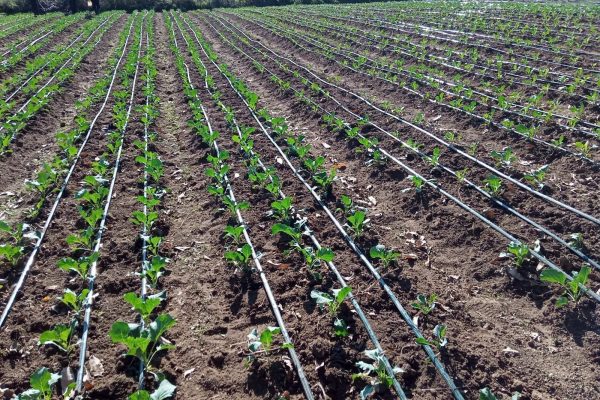
Drip Irrigation, The Future of Efficient Farming
Drip Irrigation, The Future of Efficient Farming – Drip irrigation is a revolutionary technique that delivers water directly to the roots of plants in a controlled and efficient manner. Moreover, this method not only conserves water but also enhances crop yields, making it an ideal solution for modern agriculture. Therefore, in this article, we will explore the advantages of adopting a drip irrigation system, its installation process, and why it is becoming a preferred choice for farmers worldwide. Advantages of Adopting Drip Irrigation 1. Water Efficiency One of the most significant advantages of drip irrigation is its water efficiency. Unlike traditional irrigation methods, which can waste a considerable amount of water through evaporation, runoff, and deep percolation, drip irrigation delivers water directly to the plant roots. This targeted approach minimizes water wastage and ensures that plants receive the optimal amount of moisture. 2. Enhanced Crop Yields Drip irrigation provides a consistent supply of water, which helps in maintaining optimal soil moisture levels. Consequently, this consistency reduces plant stress and promotes healthier growth, leading to higher crop yields. Additionally, the precise water application prevents overwatering and waterlogging, which can otherwise harm plant roots and reduce productivity. 3. Reduced Weed Growth By delivering water directly to the roots, drip irrigation limits the amount of water available to weeds. This targeted watering reduces weed growth, allowing crops to thrive without the competition for resources. Farmers can spend less time and money on weed control measures. 4. Fertilizer Efficiency Drip irrigation systems can be combined with fertigation, the process of delivering fertilizers through the irrigation system. This method ensures that nutrients are supplied directly to the plant roots, enhancing nutrient uptake and reducing fertilizer wastage. As a result, farmers can achieve better crop nutrition with lower fertilizer costs. 5. Improved Soil Health Traditional irrigation methods can lead to soil erosion and nutrient runoff, degrading soil quality over time. Drip irrigation, on the other hand, minimizes these issues by providing controlled and localized watering. This helps maintain soil structure, fertility, and overall health, contributing to sustainable farming practices. How is Drip Irrigation Installed? Installing a drip irrigation system involves several steps, which can vary depending on the specific requirements of the farm. Here is a general overview of the installation process: 1. Planning and Design The first step in installing a drip irrigation system is to plan and design the layout. This involves: 2. Setting Up the Mainlines and Sub-Mainlines additionally . once the design is finalized, the mainlines and sub-mainlines are installed. These pipes serve as the primary conduits for water distribution throughout the field. Typically, PVC or polyethylene pipes are used for this purpose. 3. Installing the Filters and Pressure Regulators To ensure the efficient operation of the system, filters and pressure regulators are installed. Filters remove debris and prevent clogging of the emitters, while pressure regulators maintain a consistent water pressure throughout the system. 4. Laying the Laterals and Emitters Next, the laterals (smaller pipes) are laid out along the crop rows. Emitters, which deliver water directly to the plant roots, are attached to the laterals at regular intervals. The spacing of emitters depends on the specific water requirements of the crops being irrigated. 5. Connecting to the Water Source The mainlines are connected to the water source, which can be a well, reservoir, or municipal water supply. Additionally, a pump may be required to ensure adequate water pressure, especially if the water source is at a lower elevation than the field. 6. Testing and Adjustments Before the system is fully operational, it is essential to test the entire setup. This involves checking for leaks, ensuring even water distribution, and making any necessary adjustments to the emitters and pressure regulators. Why Drip Irrigation is the Preferred Choice for Farmers Drip irrigation offers numerous benefits that make it an attractive option for farmers: Conclusion In conclusion, drip irrigation is a powerful tool for modern agriculture, offering unparalleled water efficiency, enhanced crop yields, and numerous other benefits. Lastly, by adopting drip irrigation, farmers can improve their productivity, reduce resource wastage, and contribute to sustainable farming practices. As water scarcity and climate change continue to challenge traditional farming methods, drip irrigation stands out as a viable and effective solution for the future of agriculture. Drip Irrigation The Future of Efficient Farming Contact Us: Website: – Click HereWhatsApp | Call: +254 743 149 267 | + 254 738 352 258Email Address: info@trendblend.co.ke | sales@trendblend.co.keFollow our IG: @TrendBlendHubKe
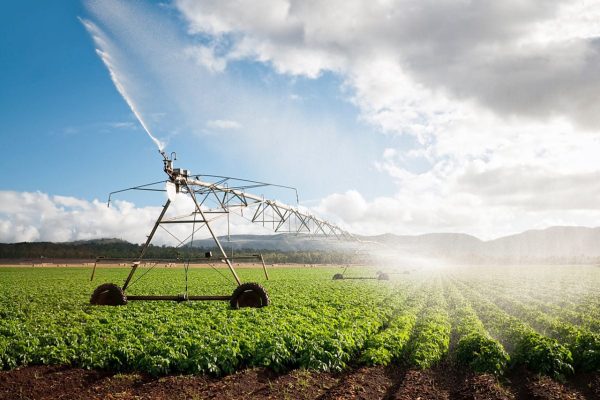
Automated Irrigation, Revolutionizing Agriculture in Africa
Automated Irrigation, Revolutionizing Agriculture in Africa – Automated irrigation technology is transforming agriculture by providing efficient and precise water management solutions. As water scarcity and climate variability increasingly threaten traditional farming methods, automated irrigation offers a promising alternative. This article explores the advantages of automated irrigation and explains why African countries, particularly Kenya, should adopt this innovative approach. Advantages of Automated Irrigation Water Efficiency One of the most significant benefits of automated irrigation is its water efficiency. Traditional irrigation methods, such as flood or furrow irrigation, often result in significant water wastage. Conversely, automated systems use sensors and smart controllers to deliver the exact amount of water needed, reducing waste and conserving this precious resource. This is crucial in regions like Kenya, where water scarcity is a pressing issue. Enhanced Crop Yields Moreover, automated irrigation systems can significantly boost crop yields. By providing consistent and precise watering, these systems ensure that crops receive the optimal amount of water at the right times. This consistency reduces plant stress and promotes healthier growth, leading to higher yields and better quality produce. In turn, this can enhance food security and increase farmers’ incomes. Labor Savings In addition, automated irrigation reduces the need for manual labor. Traditional irrigation requires significant human effort to monitor and manage water distribution. Automated systems, however, operate with minimal human intervention, freeing up labor for other essential farming tasks. This efficiency can lead to cost savings and improved farm productivity. Environmental Benefits Furthermore, automated irrigation has several environmental benefits. Precise water application reduces runoff and soil erosion, protecting local ecosystems. Additionally, it can minimize the leaching of fertilizers and pesticides into water bodies, reducing pollution and promoting a healthier environment. Why African Countries Should Adopt Automated Irrigation Addressing Climate Change Climate change poses a significant threat to agriculture in Africa. With unpredictable rainfall patterns and increasing droughts, traditional farming methods are becoming less viable. Automated irrigation systems can help mitigate these impacts by ensuring reliable water supply, regardless of weather conditions. This resilience is vital for maintaining agricultural productivity in the face of climate change. Supporting Smallholder Farmers Automated irrigation can also support smallholder farmers, who make up a large portion of the agricultural sector in African countries like Kenya. These farmers often lack access to reliable water sources and modern farming technologies. By adopting automated irrigation, they can improve their crop yields and livelihoods. Moreover, the scalability of these systems makes them suitable for farms of all sizes, from small plots to large estates. Economic Growth Adopting automated irrigation can drive economic growth. Agriculture is a critical sector in many African economies, including Kenya. By enhancing agricultural productivity and efficiency, automated irrigation can contribute to economic development, create jobs, and reduce poverty. Furthermore, the adoption of advanced technologies can attract investment and foster innovation in the agricultural sector. Government Support and Policy Finally, government support and favorable policies can facilitate the adoption of automated irrigation. By providing subsidies, training programs, and technical assistance, governments can help farmers transition to automated systems. Additionally, investment in research and development can lead to the creation of affordable and locally adapted irrigation technologies. Conclusion Automated irrigation is a game-changer for agriculture in Africa (Automated Irrigation Revolutionizing Agriculture in Africa). Its advantages, including water efficiency, enhanced crop yields, labor savings, and environmental benefits, make it a compelling solution for modern farming challenges. For countries like Kenya, adopting automated irrigation is not just a necessity but a strategic move towards sustainable agricultural development. With the right support and policies, automated irrigation can revolutionize farming in Africa, ensuring food security and economic growth for future generations. Contact Us: Website: – Click HereWhatsApp | Call: +254 743 149 267 | + 254 738 352 258Email Address: info@trendblend.co.ke | sales@trendblend.co.keFollow our IG: @TrendBlendHubKe

Combating Climate Change in Kenya
Combating Climate Change in Kenya – Climate change poses a significant threat to Kenya, impacting its environment, economy, and the well-being of its people. As a country with diverse ecosystems and a growing population, Kenya must take proactive steps to mitigate the effects of climate change. This article outlines practical measures that individuals and organizations can adopt to help prevent climate change and ensure a sustainable future. Understanding the Impact of Climate Change in Kenya Kenya’s climate is characterized by both arid and semi-arid regions, with agriculture being a major economic activity. Climate change has led to unpredictable weather patterns, prolonged droughts, and intense flooding, adversely affecting food security, water resources, and biodiversity. To address these challenges, concerted efforts from all sectors of society are required. Measures Individuals Can Take Measures Organizations Can Take Government and Policy Measures In addition to individual and organizational actions, government policies play a crucial role in combating climate change. The Kenyan government can: Conclusion Preventing climate change in Kenya requires a collaborative effort from individuals, organizations, and the government. By adopting sustainable practices, investing in renewable energy, and raising awareness, we can collectively mitigate the impacts of climate change and ensure a sustainable future for Kenya. Each action, no matter how small, contributes to the larger goal of protecting our planet for future generations. Contact Us: Contact Us:Contact TrendBlend HubWebsite: – Click HereWhatsApp | Call: +254 743 149 267 | + 254 738 352 258Email Address: info@trendblend.co.ke | sales@trendblend.co.keFollow our IG: @TrendBlendHubKe
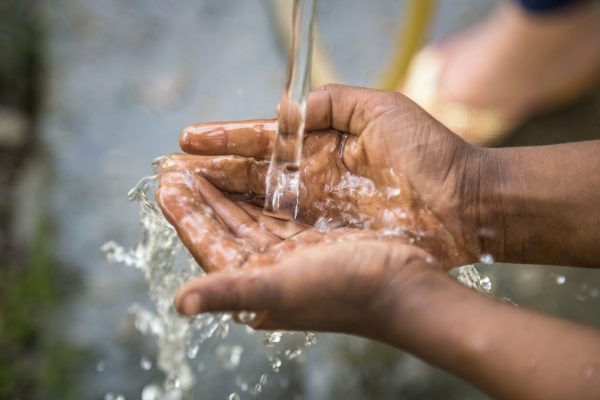
Water The Lifeblood of Communities
Water The Lifeblood of Communities – Water is an essential resource that underpins all aspects of life. From supporting our daily needs to driving economic activities, water is vital for the sustainability and growth of communities. This article explores the importance of water in both rural and urban areas and highlights the myriad benefits of having reliable access to clean water. Importance of Water in Communities Health and Well-Being Water is crucial for maintaining good health. Clean drinking water prevents the spread of waterborne diseases, which are particularly prevalent in areas with inadequate water supply and sanitation facilities. Access to clean water reduces the incidence of illnesses such as diarrhea, cholera, and typhoid, significantly improving the overall health and well-being of the community. Economic Development Water is a key driver of economic activities. In agriculture, it is necessary for irrigation, livestock, and crop production. Reliable water sources enable farmers to increase yields and improve food security. In industrial sectors, water is used in manufacturing processes, power generation, and as a coolant in various industries. Access to water resources stimulates economic growth by supporting these activities and creating jobs. Education Access to water significantly impacts education, especially in rural areas. When children, particularly girls, are not burdened with the task of fetching water from distant sources, they can attend school regularly. Clean water in schools also means better sanitation facilities, which contribute to a healthier learning environment. Environmental Sustainability Water is vital for maintaining healthy ecosystems. Rivers, lakes, and wetlands provide habitats for a wide range of species and play a critical role in biodiversity. Sustainable water management practices ensure that these ecosystems remain intact, preserving the natural environment for future generations. Advantages of Access to Water in Rural Areas Agriculture and Livelihoods In rural areas, agriculture is often the primary source of livelihood. Reliable access to water for irrigation allows farmers to cultivate crops throughout the year, increasing food production and income. This stability can lead to improved living standards and reduced poverty levels. Improved Quality of Life Access to clean water in rural areas means better health and hygiene. Households can maintain cleanliness, reducing the risk of disease. Additionally, having water available close to home saves time and energy, allowing community members to engage in other productive activities. Empowerment of Women and Girls In many rural communities, women and girls are responsible for collecting water. Access to water reduces the time spent on this task, enabling them to pursue education, participate in economic activities, and engage in community life. This empowerment has a positive ripple effect on the entire community. Advantages of Access to Water in Urban Areas Public Health In urban areas, densely populated communities depend on a reliable supply of clean water to prevent the spread of diseases. Access to safe drinking water and adequate sanitation facilities is essential for maintaining public health and preventing outbreaks of waterborne diseases. Economic Productivity Urban areas are hubs of economic activity, and water is integral to various industries and services. From manufacturing to hospitality, businesses rely on water to operate efficiently. Reliable water supply ensures that these industries can function smoothly, contributing to the overall economy. Urban Planning and Development Water infrastructure is a fundamental component of urban planning. Efficient water management systems, including supply and drainage networks, are essential for the development and maintenance of cities. Properly planned water systems support sustainable urban growth and improve the quality of life for residents. Conclusion Water is the lifeblood of communities, essential for health, economic development, education, and environmental sustainability. Whether in rural or urban areas, access to clean water brings numerous benefits, improving the quality of life and fostering community growth. As we continue to develop and expand, it is crucial to prioritize water access and management to ensure a sustainable and prosperous future for all. Contact Us: Contact TrendBlend HubWebsite: – Click HereWhatsApp | Call: +254 743 149 267 | + 254 738 352 258Email Address: info@trendblend.co.ke | sales@trendblend.co.keFollow our IG: @TrendBlendHubKe
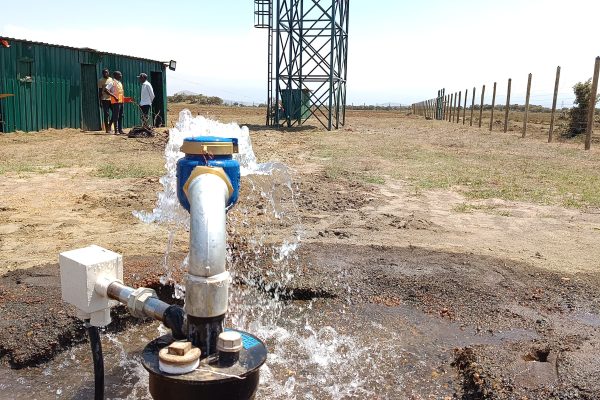
Benax Solar – Pioneering Sustainable Water Access
Benax Solar & Borehole Solutions Ltd – your trusted partner in promoting water conservation and sustainability. With our headquarters conveniently located in Nairobi’s Koinange Street, we specialize in providing innovative pumping solutions to address water challenges across Kenya. From borehole pumps to solar structures, water tanks, and more, we offer a comprehensive range of products and services to meet the diverse needs of our clients. In Addition, join us as we explore the significance of World Water Day and share valuable recommendations for improving water conservation, reducing global warming, and mitigating drought. Additionally, let’s delve deeper into how our solutions contribute to a more sustainable future for all. View this post on Instagram A post shared by Benax Solar & BH Solutions Ltd (@benaxsolar) The Significance of World Water Day As we commemorate World Water Day, it is essential to recognize the critical role of water in sustaining life and ecosystems. At Benax Solar, we understand the importance of preserving this precious resource for future generations. World Water Day serves as a global platform to raise awareness about water-related challenges and advocate for sustainable solutions. Furthermore, through our dedication to providing innovative and eco-friendly pumping solutions, we contribute to the collective effort to safeguard water resources and promote sustainability. Harnessing Solar Energy and Borehole Technology We believe in harnessing the power of renewable energy to address water challenges effectively. Our solar-powered borehole pumps offer a sustainable alternative to conventional electricity-dependent pumps, allowing communities to access clean water even in remote areas. By leveraging solar energy and borehole technology, we empower households, farms, and businesses with reliable and environmentally friendly water solutions. Nevertheless, with our range of solar structures, water tanks and solar water heaters, we enable our clients to embrace clean energy and reduce their carbon footprint. Promoting Water Conservation Water conservation is a shared responsibility that requires collective action from individuals, communities, and organizations. We advocate for water-saving practices and initiatives that promote responsible water use. By implementing rainwater harvesting systems, fixing leaks, and adopting water-efficient appliances, individuals can significantly reduce their water consumption and contribute to conservation efforts. Moreover, supporting reforestation projects and protecting water ecosystems are crucial steps in preserving water quality and availability for future generations. Recommendations for Sustainable Action As part of our commitment to promoting sustainability, Benax Solar & Borehole Solutions Ltd offers the following recommendations for improving water conservation, reducing global warming, and mitigating drought: Contact Benax Solar: Website: www.benaxsolar.co.keemail: sales@benaxsolar.co.kePhone Number: 0716665660 Choose Benax Solar Today We are committed to creating a more sustainable future for all by promoting water conservation and harnessing renewable energy. Together, let us work towards preserving our planet’s most precious resource – water – for generations to come. Lastly, join us in our mission to empower communities with innovative and sustainable solutions that improve access to clean water and renewable power. Together, we can make a positive impact on the environment and build a brighter future for all. Furthermore, Benax Solar are the Leading Water Pumping Solution Distributors in Kenya. Contact TrendBlend Hub Website: – Click HereWhatsApp | Call: +254 743 149 267 | + 254 738 352 258Email Address: info@trendblend.co.ke | sales@trendblend.co.keFollow our IG: @TrendBlendHubKe
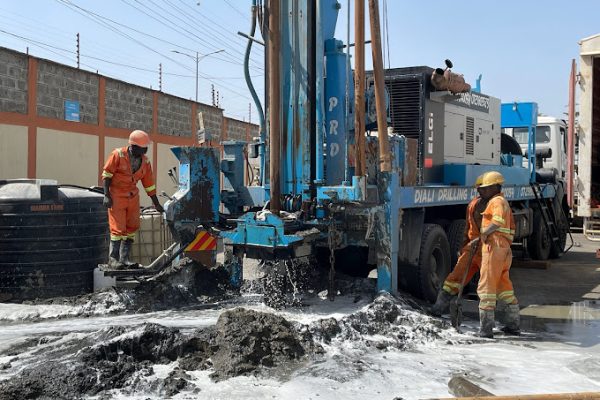
Diali Drilling Limited – Empowering Communities with Clean Water
Water, the elixir of life, is a fundamental human need essential for survival, health, and prosperity. Nevertheless, access to clean and safe drinking water remains a challenge for many communities across Kenya. Therefore, as we commemorate World Water Day, it is imperative to shed light on the importance of water conservation and the efforts of organizations like Diali Drilling Limited in addressing this critical issue. View this post on Instagram A post shared by Diali drilling ltd (@dialidrillingltd) Diali Drilling – Leading Drilling Company in kenya Diali Drilling Limited, recognized as the leading drilling company in Kenya, stands as a beacon of hope in the quest for clean water accessibility. With a professional team dedicated to their drilling works, guidance to clients, and after-sale services, Diali Drilling sets a benchmark for excellence in the industry. Furthermore, Diali Drilling offer Guidance and after sale services to all their clients. Diali Drilling Services Through their comprehensive range of services, Diali Drilling offers tailored solutions to meet the diverse needs of homeowners, businesses, and agricultural operations. Moreover, their services include borehole drilling, equipping, pump sales, hydrogeological survey, test pumping units, borehole maintenance, borehole installation, and water treatment. To contact Diali Drilling Limited:Physical Address: Off Mombasa Road, Next to Inland Container Depot, KPA Depot P.O BOX 51687-00200 Nairobi – KenyaPhone: +254 724 640 059Email: info@dialidrillingltd.comWebsite: www.dialidrillingltd.com In line with the theme of World Water Day, “Valuing Water,” Diali Drilling reaffirms its commitment to valuing water as a vital resource for sustainable development. Through various initiatives and outreach programs, Diali Drilling has been instrumental in educating communities on the importance of water preservation and conservation. Diali Object One of the primary objectives of Diali Drilling is to provide quality services efficiently and to the satisfaction of their clients. Moreover, this extends beyond mere drilling operations to encompass educating communities on sustainable water management practices. In addition, by engaging with local communities, Diali Drilling fosters awareness about the need to preserve water sources and adopt responsible water usage habits. Furthermore, Diali Drilling adopts an innovative approach to address water-related challenges, driving sustainable development and improving the lives of people and communities around them. Through their outreach efforts, they empower communities with knowledge and resources to make informed decisions about water conservation. View this post on Instagram A post shared by Diali drilling ltd (@dialidrillingltd) Innovative solutions lie at the heart of Diali Drilling’s endeavors, inspired by the evolving landscape of the construction industry. By embracing new technologies and methodologies, they strive to make drilling operations more cost-effective, efficient, and environmentally friendly. Furthermore, this commitment to innovation extends to their educational initiatives, where they leverage modern tools and techniques to impart knowledge about water conservation. Education forms the cornerstone of Diali Drilling’s community outreach programs. Through workshops, seminars, and interactive sessions, they equip communities with practical tips and strategies for water conservation. From promoting rainwater harvesting to advocating for responsible water usage in agriculture and household activities, Diali Drilling empowers individuals to become stewards of water resources. Moreover, Diali Drilling takes pride in its ethical and transparent approach to business. They uphold the highest standards of conduct, treating people with respect and fairness in all their dealings. This integrity is reflected in their commitment to environmental sustainability and social responsibility. The World Water Day As we celebrate World Water Day, let us acknowledge the invaluable contributions of organizations like Diali Drilling Limited in ensuring access to clean water for all. Additionally, their dedication to water conservation and community empowerment serves as a beacon of hope in the journey towards a water-secure future. In conclusion, water is not just a commodity; rather, it is a lifeline that sustains ecosystems, nourishes communities, and fuels development. Through collective action and partnerships, we can safeguard this precious resource for generations to come. Lastly, together with Diali Drilling Limited, let us work towards a future where clean water flows freely, enriching lives and transforming communities across Kenya. Contact TrendBlend Hub: Website: – Click HereWhatsApp | Call: +254 743 149 267 | + 254 738 352 258Email Address: info@trendblend.co.ke | sales@trendblend.co.keFollow our IG: @TrendBlendHubKe