

Water and Clean Energy
At TrendBlend Hub, our commitment to fostering a sustainable future is epitomized by the Water and Clean Energy category. This informative space serves as a beacon of enlightenment, educating people worldwide on the paramount importance of water and clean energy. To achieve this, our comprehensive category spans a spectrum of topics, seamlessly connecting clean energy solutions, solar technology, water conservation, sustainable farming practices, efficient irrigation methods, pumping systems, and much more.
Clean Energy Advocacy
In our relentless pursuit of a greener planet, the Clean Energy aspect of this category rightfully takes center stage. Here, we delve into the latest advancements in renewable energy, highlighting the significance of transitioning to sustainable power sources. In collaboration with clean energy companies worldwide, we bring our audience insights into innovative technologies, eco-friendly practices, and the positive impact these solutions have on both the environment and our daily lives.
Harnessing Solar Power
A crucial subset of our Clean Energy focus is the utilization of solar power. Through in-depth articles and features, we systematically explore the growing trend of solar energy adoption. In addition, from residential solar panels to large-scale solar farms, our content aims to demystify solar technology, making it accessible and understandable for readers globally. Notably, TrendBlend Hub is proud to collaborate with leading solar companies, sharing their expertise to encourage the widespread adoption of solar solutions.
Water, Farming, and Irrigation
Transitioning seamlessly to the vital nexus of water, farming, and irrigation, our category spotlights sustainable agricultural practices that contribute to water conservation and energy efficiency. Within these informative pieces, we delve into the intersection of modern technology and traditional farming methods, showcasing innovations in efficient irrigation systems that optimize water usage. Nevertheless, our collaboration with global players in the agricultural and irrigation sectors ensures a wealth of insights, empowering farmers with knowledge that enhances productivity while minimizing environmental impact.
Global Collaborations
Central to our mission is fostering collaboration with water and clean energy companies worldwide. By establishing partnerships with industry leaders, TrendBlend Hub ensures that our content is informed by cutting-edge developments and expert insights. Besides these invaluable collaborations enable us to deliver credible, up-to-date information that empowers individuals, businesses and communities to make informed decisions for a more sustainable future.
Why It Matters
The Water and Clean Energy category at TrendBlend Hub transcends geographical boundaries, emphasizing the global significance of water conservation and clean energy adoption. Additionally, as a cohesive narrative, it serves as a platform for individuals and organizations to understand the urgency of embracing eco-friendly practices. By disseminating knowledge on sustainable solutions, we aim to inspire collective action, driving positive change on a global scale.
In conclusion, our Water and Clean Energy category is not merely a collection of articles; it is a commitment to environmental stewardship and a call to action. Through education, collaboration, and advocacy, TrendBlend Hub strives to empower individuals to make choices that benefit both the planet and future generations. Lastly, join us in this transformative journey towards a sustainable, clean energy future and where every drop of water and every watt of energy counts. Finally, TrendBlend Hub is your Home for Clean Energy and Water.

Gich Borewells Drilling – Championing Water Conservation and Sustainable Solutions
Gich Borewells Drilling Company, nestled in Nakuru, Kenya, stands as a beacon of excellence in borehole drilling and solar installation services. Established in 2023, the company was born out of the pressing need for reliable water sources and sustainable energy solutions. Over the past year, Gich Borewells has earned a stellar reputation, offering a comprehensive suite of specialized services to a diverse clientele. View this post on Instagram A post shared by Gich Borewells Drilling (@gichboygithinji) At the heart of Gich Borewells’ operations lies a commitment to providing high-quality, cost-effective water solutions to clients across various industries. Groundwater drilling has been the cornerstone of their business, catering to commercial, domestic, and industrial water needs. Whether it’s supplying water wells, monitoring wells for environmental agencies, or offering specialized services like well rehabilitation and borehole alignment surveys, Gich Borewells excels in delivering top-notch solutions. Professional Gich Borewell’s Team Central to Gich Borewells’ success is its team of qualified and professional individuals, dedicated to serving clients throughout Kenya. With their expertise and unwavering commitment, Gich Borewells has emerged as a leading water drilling company in the region. As the world celebrates World Water Day, Gich Borewells echoes a crucial message: the importance of water conservation and responsible water usage. Contact Gich Borewells Drilling Company Physical Address: Milimai Estate, Nakuru – KenyaPhone: +254 722 256 681 | +254 712 780 813 Website: www.gichborewells.co.keEmail: gichborewellsdrilling@gmail.comView our service – Gich Borewells Drilling Company Services In light of World Water Day, Gich Borewells urges Kenya and Africa as a whole to prioritize water conservation efforts. Additionally, from avoiding water wastage to adopting practices that promote sustainable water usage, every individual plays a vital role in safeguarding this precious resource. Through advocacy and awareness, Gich Borewells aims to inspire communities to take proactive steps towards water conservation. Promoting Water Conservation As part of their outreach, Gich Borewells encourages individuals and organizations to engage in responsible water management practices. Whether it’s implementing rainwater harvesting systems or investing in water-efficient technologies, there are myriad ways to conserve water and reduce our environmental footprint. Nevertheless, by fostering a culture of water stewardship, Gich Borewells envisions a future where water scarcity is mitigated, and communities thrive in harmony with their natural surroundings. To further their mission of promoting water conservation, Gich Borewellsoffers educational resources and guidance to empower individuals with the knowledge they need to make informed decisions. Through workshops, seminars, and online resources, they equip communities with practical strategies for sustainable water management. Gich on Water Conservation and Sustainable Solutions In addition to their advocacy efforts, Gich Borewells remains committed to providing cutting-edge water solutions that prioritize efficiency and sustainability. By harnessing renewable energy sources like solar power, they offer innovative alternatives to traditional water pumping systems, reducing reliance on fossil fuels and minimizing environmental impact. As stakeholders in the water sector, Gich Borewells understands the critical role they play in shaping a more sustainable future. Through their holistic approach to water management, they strive to be agents of positive change, driving innovation and fostering collaboration towards a common goal: safeguarding our planet’s most precious resource – water. In conclusion, Gich Borewells Drilling Company stands as a testament to the power of innovation and sustainability in addressing the world’s water challenges. Lastly, as we commemorate World Water Day, let us heed their call to action and work together towards a future where water is cherished, conserved, and accessible to all. Contact TrendBlend Hub Website: – Click HereWhatsApp | Call: +254 743 149 267 | + 254 738 352 258Email Address: info@trendblend.co.ke | sales@trendblend.co.keFollow our IG: @TrendBlendHubKe
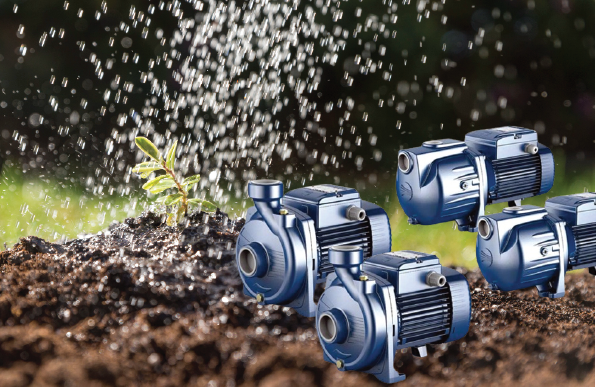
Pedrollo Pumps – A Trusted Solution for Water Handling Needs
In the realm of fluid handling solutions, Pedrollo pumps have established themselves as a reliable and innovative choice for a wide range of applications. With a rich history spanning over 40 years, Pedrollo has built a reputation for excellence, delivering high-quality pumps that excel in performance, durability, and efficiency. Setting Pedrollo apart in Kenya is its exclusive distributor, Davis & Shirtliff, which ensures availability and competitive pricing for customers seeking top-tier fluid handling solutions. A Legacy of Innovation and Excellence Founded in 1974 in Italy, Pedrollo had a vision to design and manufacture pumps that set new standards for quality and reliability. Over the years, the company has remained committed to innovation, investing in research and development to continuously improve their product offerings. Furthermore, Today, Pedrollo boasts a diverse portfolio of pumps designed for various industries and applications, including residential, commercial, agricultural, and industrial sectors. Versatile Pump Solutions for Every Need One of the key strengths of Pedrollo pumps lies in their versatility. Whether pumping water for domestic use, irrigation, firefighting, drainage, or industrial processes, Pedrollo offers a comprehensive range of pumps tailored to meet the specific requirements of each application. In addition, Davis & Shirtliff ensures that Kenyan customers have access to a wide variety of Pedrollo pumps, including open impeller pumps, self-priming pumps, peripheral pumps and centrifugal pumps. Superior Performance and Efficiency Pedrollo pumps are engineered to deliver superior performance and efficiency, allowing users to achieve optimal results while minimizing energy consumption and operating costs. Built with high-quality materials and precision engineering, Pedrollo are designed to withstand the rigors of continuous operation in demanding environments. Advanced features such as self-priming capabilities, corrosion-resistant components, and efficient motor designs ensure reliable performance and long service life. Application Highlights: Where Pedrollo Excel Commitment to Sustainability and Environmental Responsibility Additionally, As a responsible manufacturer, Pedrollo is committed to sustainability and environmental stewardship. By investing in energy-efficient technologies, optimizing manufacturing processes, and promoting responsible water management practices, Pedrollo strives to minimize its environmental footprint and contribute to a more sustainable future. The Pedrollo Difference In conclusion, Pedrollo stand out as a trusted solution for fluid handling needs across various industries and applications. With a legacy of innovation, superior performance, and a commitment to sustainability, Pedrollo continues to set new benchmarks for excellence in the pump industry. Lastly, Partnered with Davis & Shirtliff as the sole distributor in Kenya, customers can access Pedrollo pumps at fair competitive prices, ensuring reliability, efficiency, and versatility to tackle any fluid handling challenge with confidence. Contact TrendBlend Hub Website: – Click HereWhatsApp | Call: +254 743 149 267 | + 254 738 352 258Email Address: info@trendblend.co.ke | sales@trendblend.co.keFollow our IG: @TrendBlendHubKe

Kenya’s Role in Combating Climate Change – A Call to Action
Combating Climate Change – In the global fight against climate change, Kenya has emerged as a front-runner, pioneering initiatives and leading by example in addressing the pressing environmental challenges facing our planet. With a rich tapestry of ecosystems and a diverse range of landscapes, Kenya is acutely aware of the profound impacts of climate change and has taken proactive measures to mitigate its effects. From advocating for sustainable development practices to spearheading tree planting initiatives, Kenya is at the forefront of efforts to safeguard our planet for future generations. One of Kenya’s most notable contributions to combating climate change is its commitment to tree planting initiatives. Recognizing the critical role of forests in mitigating carbon emissions and preserving biodiversity, Kenya has launched ambitious reforestation programs aimed at restoring degraded landscapes and expanding forest cover. Through initiatives such as the Green Belt Movement, founded by Nobel Peace Prize laureate Wangari Maathai, and the national tree planting campaigns, Kenya has planted millions of trees across the country, rejuvenating ecosystems and mitigating the impacts of deforestation. Kenya Leading Role in Combating Climate Change In addition to tree planting efforts, Kenya has embraced renewable energy as a cornerstone of its climate change strategy. The country boasts abundant renewable energy resources, including solar, wind, and geothermal power, which have the potential to significantly reduce reliance on fossil fuels and curb greenhouse gas emissions. Kenya’s investment in renewable energy infrastructure, such as the Lake Turkana Wind Power Project and the Olkaria Geothermal Plant, underscores its commitment to transitioning towards a low-carbon economy and promoting sustainable energy solutions. Furthermore, Kenya has been a vocal advocate for climate action on the international stage, actively participating in United Nations climate initiatives and playing a pivotal role in shaping global climate policy. The country has ratified key international agreements, including the Paris Agreement, reaffirming its commitment to limiting global warming and promoting climate resilience. Kenya has also been instrumental in advocating for the inclusion of climate adaptation and mitigation measures in international development agendas, recognizing the disproportionate impact of climate change on vulnerable communities. Sustainable Development As part of its efforts to promote sustainable development and climate resilience, Kenya has implemented innovative initiatives aimed at empowering local communities and fostering environmental stewardship. Community-based conservation projects, such as community-owned wildlife conservancies and sustainable agriculture programs, have empowered communities to actively participate in natural resource management and biodiversity conservation. By promoting sustainable livelihoods and enhancing community resilience to climate change impacts, these initiatives contribute to the overall resilience of Kenya’s ecosystems and communities. In line with United Nations climate initiatives, Kenya has proposed a range of measures to mitigate climate change and promote sustainable development at the national level. These initiatives include promoting renewable energy adoption, enhancing forest conservation and restoration efforts, promoting sustainable agriculture practices, and integrating climate change education and awareness into national curricula. Through targeted policies and programs, Kenya aims to reduce greenhouse gas emissions, enhance climate resilience, and foster sustainable development across all sectors of the economy. Call For Action – Climate Change However, addressing climate change requires collective action and commitment from individuals, communities, governments, and businesses alike. As citizens of the world, we all have a role to play in combating climate change and protecting our planet for future generations. Whether it’s reducing our carbon footprint, supporting renewable energy initiatives, or advocating for climate action, every action counts in the fight against climate change. In conclusion, Kenya’s proactive approach to combating climate change serves as a shining example of effective climate action on the global stage. Through tree planting initiatives, renewable energy investments, and active participation in international climate initiatives, Kenya has demonstrated its commitment to addressing the urgent challenges posed by climate change. As we navigate the complexities of a changing climate, let us draw inspiration from Kenya’s leadership and work together to build a more sustainable and resilient future for all. Contact TrendBlend Hub Website: – Click HereWhatsApp | Call: +254 743 149 267 | + 254 738 352 258Email Address: info@trendblend.co.ke | sales@trendblend.co.keFollow our IG: @TrendBlendHubKe

World Water Day Celebration
Every 22nd of March, a significant global event takes center stage – World Water Day. More than just a date on the calendar, this annual observance serves as a poignant reminder of the critical importance of water and the collective responsibility we share in preserving this life-sustaining resource. Why World Water Day? World Water Day is an initiative by the United Nations that seeks to draw attention to the profound significance of freshwater and advocate for the sustainable management of water resources. With a thematic focus each year, this event explores diverse facets of water-related challenges and encourages individuals, communities, and organizations to join forces in addressing these issues. The Global Celebration: How is World Water Day Celebrated? World Water Day is marked by a myriad of activities and events worldwide. From educational seminars and community clean-up initiatives to art installations and film screenings, the celebration takes on a multifaceted approach. The aim is not only to raise awareness but also to inspire concrete actions towards safeguarding water for present and future generations. Key components of the celebration include Educational Campaigns:Organizations, schools, and communities organize workshops, lectures, and awareness programs to educate people about the importance of water conservation, responsible water use, and the impact of water scarcity on global ecosystems. Community EngagementMoreover, local communities often participate in clean-up drives around water bodies, riverbanks, and coastal areas. This hands-on involvement fosters a sense of environmental stewardship and highlights the immediate impact individuals can have on their surroundings. Artistic ExpressionsMeanwhile, art installations, photography exhibitions, and poetry slams centered around water-related themes provide a creative platform for artists to convey the urgency of water conservation. These artistic expressions not only captivate audiences but also evoke emotional connections to the cause. Policy AdvocacySimultaneously, World Water Day serves as an occasion for policymakers and experts to convene and discuss innovative solutions to water-related challenges. The event catalyzes dialogue on critical issues such as water scarcity, pollution, and access to clean water, fostering a global commitment to enacting change. Why Participate in World Water Day? Participation in World Water Day is not merely symbolic; it is a tangible contribution to a sustainable future. Here are compelling reasons why individuals should actively engage in this global initiative: Water is Life:In essence, water is an essential element for all living organisms. By participating in World Water Day, individuals acknowledge the pivotal role water plays in sustaining life and commit to safeguarding this invaluable resource. Global SolidarityFurthermore, World Water Day transcends borders and unites people worldwide in a shared mission. Participating individuals become part of a global movement working towards common goals, creating a sense of solidarity and shared responsibility. Educational EmpowermentEqually important, the events and activities organized on World Water Day provide invaluable education on water-related issues. By participating, individuals equip themselves with knowledge to make informed choices about water usage and conservation in their daily lives. Individual ImpactConsequently, World Water Day emphasizes that individual actions collectively make a significant impact. By participating in community initiatives, reducing water consumption, and advocating for sustainable practices, individuals contribute to the larger goal of preserving water resources. Conclusion In conclusion, World Water Day is not just an annual observance; it is a call to action, a global movement for change. As we celebrate this day each year, let us remember that our commitment to water conservation today shapes the quality of life for generations to come. Lastly, join the ripple effect – participate in World Water Day, and together, let’s make waves of positive change for our planet’s most precious resource. Contact TrendBlend Hub Website: – Click HereWhatsApp | Call: +254 743 149 267 | + 254 738 352 258Email Address: info@beseenlimited.com | sales@beseenlimited.comFollow our IG: @TrendBlendHubKe
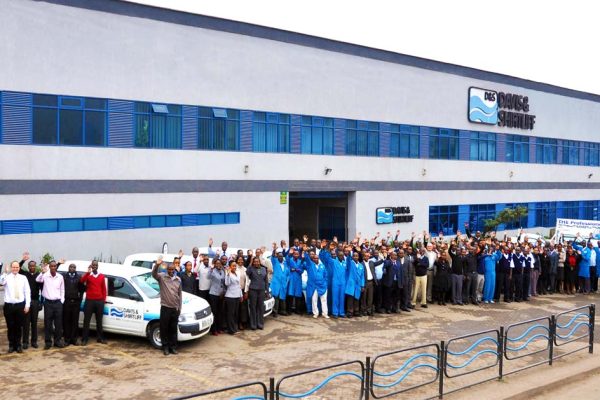
Davis & Shirtliff: A Legacy of Quality and Durability in Pumping Solutions Across Africa
Davis & Shirtliff – For over nine decades, Davis & Shirtliff, commonly referred to as D&S, has solidified its position as the premier pump distributor in Kenya and Africa at large. Established in 1927 in Westlands, Mpaka Road, Nairobi, the company has evolved over the years, with its main offices now located at Industrial Area, Dundori Road, Nairobi. With branch offices strategically positioned in key Kenyan cities such as Nakuru and Kisumu, and an extensive network of sub-distributors across towns in Kenya, Davis & Shirtliff has become synonymous with reliable and efficient pumping solutions. View this post on Instagram A post shared by Davis & Shirtliff (@davisandshirtliff) Beyond Kenya’s Borders Beyond Kenya’s borders, the company has expanded its footprint, with established offices in countries including Zambia, Uganda, Rwanda, Tanzania, among others. The celebration of their 70th anniversary in 2016 marked a significant milestone, reflecting their enduring commitment to providing top-notch pumping solutions across the African continent. One of the key contributors to Davis & Shirtliff’s success is their official distributorship of Pedrollo Pumps, a renowned global brand known for its innovation and reliability in the pumping industry. In 2008, they further solidified their commitment to excellence by introducing Dayliff Pumps, a line of products that quickly gained recognition for their exceptional quality and durability. Davis & Shirtliff Products Range Davis & Shirtliff’s product range is extensive, covering a myriad of pumping needs. Whether it’s Borehole Pumps for accessing groundwater, Booster Pumps for enhancing water pressure, Dewatering Pumps for handling excess water, or Sewage Pumps for efficient waste management, the company has consistently delivered solutions tailored to diverse requirements. Their offerings also extend to Swimming Pool Pumps, Hot Water Pumps, Hose Reels, and more, showcasing a comprehensive portfolio that caters to a wide spectrum of applications. In the field of irrigation, Davis & Shirtliff plays a pivotal role by supplying a range of solar pumping-related items. From Solar Inverters to Solar Panels and all associated irrigation accessories, the company aligns itself with sustainable and eco-friendly solutions to meet modern agricultural needs. What sets Davis & Shirtliff apart is not just the breadth of their product range but the unwavering commitment to quality, durability, competitive pricing, and exceptional customer service. With a presence in the market for over 70 years, the company has garnered a reputation that resonates with trust and reliability. Kenyan Pumping Industry In the pumping industry in Kenya, Davis & Shirtliff’s name is virtually inseparable from the conversation. Their enduring success lies in the ability to adapt to evolving industry needs, providing cutting-edge solutions that withstand the test of time. The longevity and resilience of their products are a testament to the meticulous standards upheld in their manufacturing processes. Nevertheless, all Davis & Shirtliff products are crafted from high-quality materials, ensuring durability and effectiveness in meeting various pumping needs. Whether for agricultural, industrial, or domestic applications, customers can rely on Davis & Shirtliff to deliver pumping solutions that exceed expectations. Contact Davis & Shirtliff In conclusion, Davis & Shirtliff’s legacy is a story of innovation, adaptability, and a relentless pursuit of excellence in the pumping industry. As they continue to set the standard for quality and durability, the company remains at the forefront of shaping the future of pumping solutions across Africa. For those seeking reliable, efficient, and long-lasting pumping products, Davis & Shirtliff stands as a beacon of trust in the dynamic world of water and fluid management. Additionally, to explore their extensive range and experience the excellence of Davis & Shirtliff pumps, visit their official website at www.davisandshirtliff.com or contact them directly via ContactCenter@dayliff.com or +254 711 079 000. Contact Us Website: – Click HereWhatsApp | Call: +254 743 149 267 | + 254 738 352 258Email Address: info@beseenlimited.com | sales@beseenlimited.comFollow our IG: @TrendBlendHubKe
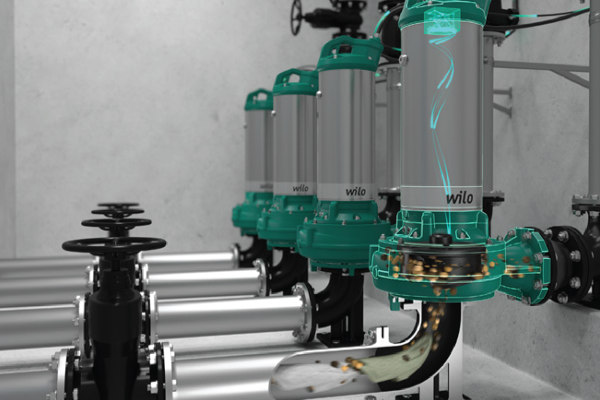
Wilo Pumps – Revolutionizing the Kenyan Pumping Industry
In the bustling city of Nairobi, strategically positioned along Mombasa Road, Wilo Pumps has emerged as the forefront leader in Kenya, setting the gold standard for quality and innovation in the realm of water management. With its main headquarters situated in Nairobi, Wilo has become synonymous with excellence, meeting the diverse pumping needs of industries and individuals alike. View this post on Instagram A post shared by Wilo Africa (@wilo_africa) A Global Force As an integral part of the Wilo Group, a global technological powerhouse, Wilo Pumps stands proudly as one of the world’s premium suppliers of cutting-edge pumps and pump systems. The past decade has witnessed a remarkable transformation, propelling Wilo from being a hidden champion to a visible and connected force in the industry. The global influence of Wilo extends, employing over 8,457 individuals worldwide, each contributing to the brand’s commitment to innovation and excellence. Digital Pioneering Transitioning, Wilo’s commitment to digital transformation goes beyond conventional boundaries. The brand has positioned itself as a digital pioneer in the industry, leveraging innovative solutions, smart products, and individualized services. The goal is clear – to make water move intelligently, efficiently, and with a keen eye on eco-friendly techniques. The ripple effect of this commitment extends not only to its products but also to its processes and business models. Crafting Precision What sets Wilo pumps apart is the amalgamation of quality craftsmanship and advanced technology. Crafted with precision and utilizing the latest technological advancements, Wilo pumps boast durability, effectiveness, and ease of installation. Furthermore, these pumps are more than just tools for water movement; they are precision instruments designed to perform seamlessly. Notably, their efficiency in electrical consumption positions them as a reliable and sustainable choice for a variety of water management needs. Versatile Applications In Addition, Wilo offers an extensive range of pumps to cater to diverse applications. From Stainless Steel borehole pumps to Surface Boosters, the versatility of Wilo pumps is evident. Their applications span a spectrum, ranging from agricultural irrigation and borehole management to construction site dewatering and residential water systems. Wilo pumps prove to be versatile and adaptable to various scenarios, making them the ideal choice for a myriad of water management requirements. Innovation Hub in Kenya In Kenya, Wilo has not only become a trusted name but has also established itself as a hub of innovation with the largest test pumping unit in the country. This state-of-the-art facility, located in Nairobi, serves as a testament to Wilo’s dedication to quality assurance and innovation. It ensures that every pump leaving the Wilo production line meets the highest standards of performance and reliability, further solidifying its position as a leader in the water management sector. Concluding the Flow To sum up, Wilo Pumps stands as an unrivaled leader in Kenya’s water management landscape, revolutionizing the industry with a commitment to excellence, innovation, and sustainability. From Nairobi to every corner of the nation, Wilo pumps symbolize reliability, efficiency, and a responsible approach to water management. As Wilo continues to redefine water movement with its advanced solutions, it cements its role as an indispensable partner in Kenya’s journey towards effective and eco-friendly water management. Wilo Pumps is not just a brand; it’s a catalyst for positive change in Kenya’s water infrastructure. Contact Us: Website: – Click HereWhatsApp | Call: +254 743 149 267 | + 254 738 352 258Email Address: info@beseenlimited.com | sales@beseenlimited.comFollow our IG: @TrendBlendHubKe