
The Second Africa Climate Summit (ACS 2025) brought together leaders, policymakers, and climate experts to chart Africa’s pathway toward climate resilience and sustainable development. Held in Nairobi, this summit became a significant milestone in demonstrating Africa’s collective commitment to tackling climate change, while also showcasing Kenya’s leadership role in shaping climate action across the continent.
Kenya has continued to emerge as a front-runner in climate action. Through bold policies, strategic investments, and inclusive initiatives, the country demonstrates how African nations can drive the climate agenda. As the summit unfolded, Kenya positioned itself as a hub for climate solutions, emphasizing the urgent need to address both mitigation and adaptation strategies while ensuring economic growth for African communities.
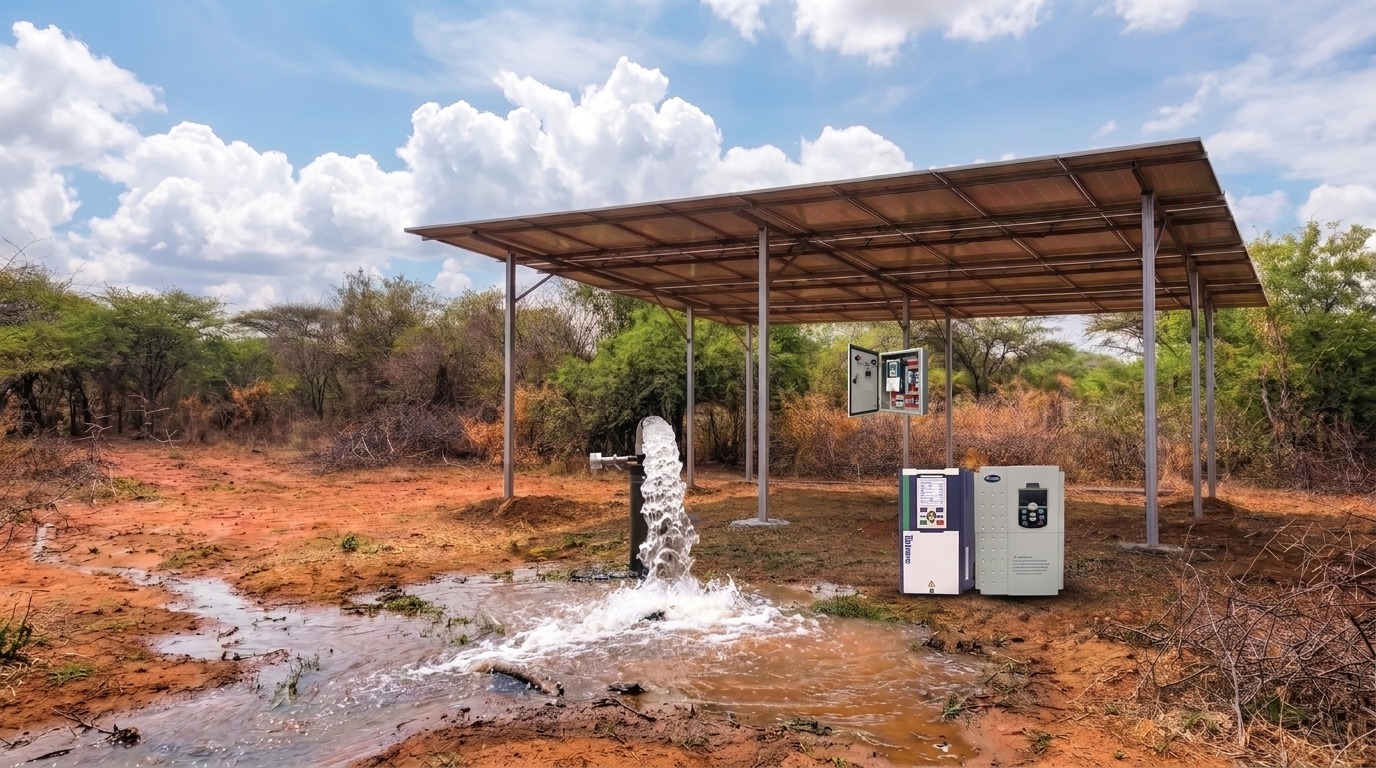
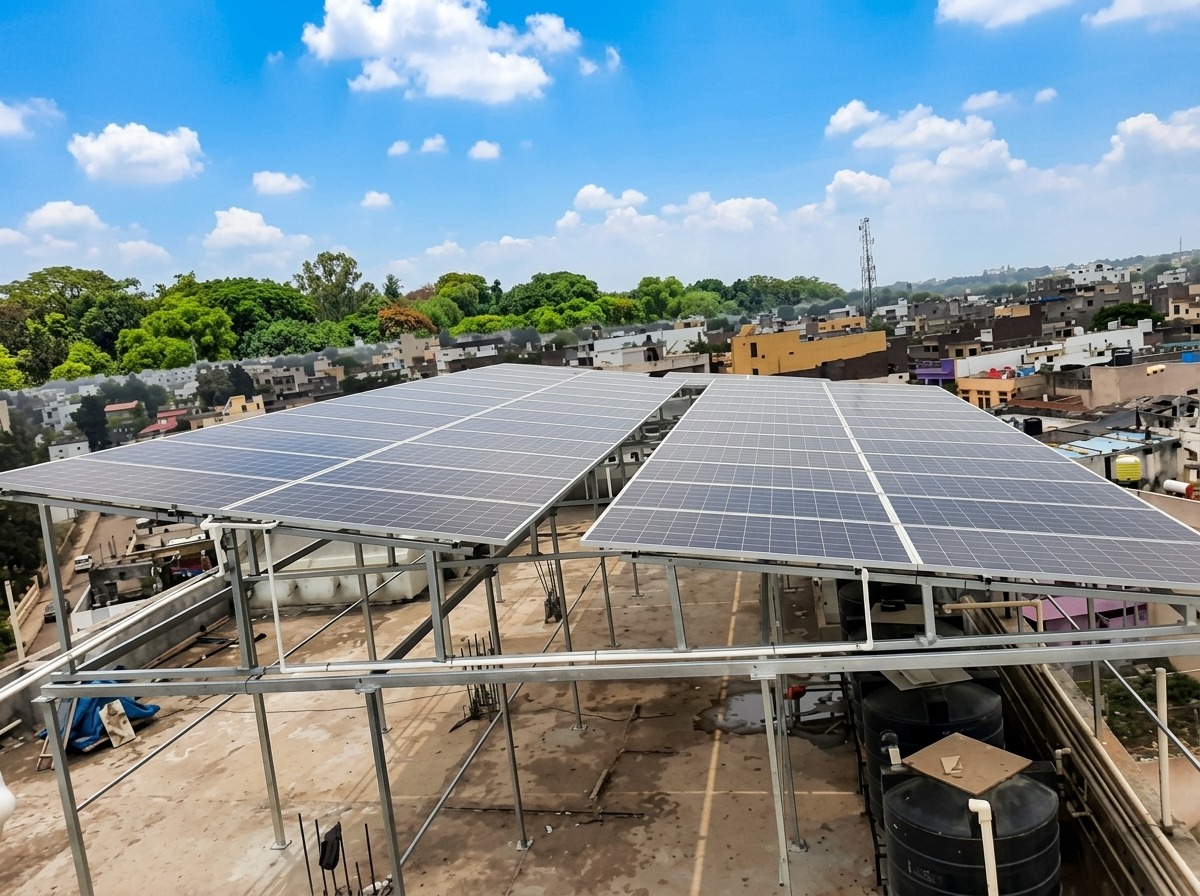
To begin with, Kenya’s President highlighted the country’s dedication to expanding renewable energy. Over 90% of Kenya’s electricity already comes from clean energy sources such as geothermal, wind, and solar. This leadership in clean energy not only reduces carbon emissions but also provides a clear roadmap for other African countries. Furthermore, the Kenyan government is actively investing in solar-powered water pumping systems, smart irrigation, and green mobility, which directly benefit communities while safeguarding natural resources.
In addition, Kenya played a central role in uniting African nations under a common voice. During the summit, leaders agreed to advocate for fair financing structures and more equitable global climate policies. By pushing for climate justice, Kenya ensured Africa’s concerns remain visible on the global stage. For example, the summit emphasized that Africa contributes less than 4% of global carbon emissions but remains one of the most vulnerable regions to climate shocks. This call for fairness and justice resonated strongly with international partners.
Moreover, the summit created opportunities for partnerships between African governments, private investors, and global organizations. Kenya facilitated dialogues that resulted in new funding commitments for climate-smart agriculture, green infrastructure, and nature-based solutions. These partnerships are crucial in building resilience, creating green jobs, and promoting sustainable economic transformation.
The advantages of Kenya’s role in the summit extended beyond policy influence. Firstly, it boosted Kenya’s reputation as a global leader in sustainability. Secondly, it attracted international investors eager to fund renewable energy and climate-friendly projects in the country. Thirdly, it empowered local communities through knowledge-sharing and capacity-building programs that focus on resilience.
Climate change carries both pros and cons, though the cons heavily outweigh the advantages. On the negative side, rising temperatures, prolonged droughts, and erratic rainfall patterns threaten food security, biodiversity, and livelihoods. Farmers struggle with unpredictable planting seasons, while pastoralists lose livestock due to water scarcity. On the other hand, one minor positive aspect includes the growing innovation in clean technology, as communities seek alternative solutions. Kenya’s agricultural sector, for example, now integrates smart irrigation and drought-resistant crops, which stem from the urgent need to adapt.
Ultimately, Kenya used the Second Africa Climate Summit to reaffirm its unwavering commitment to sustainability and resilience. By leading Africa in climate advocacy, renewable energy adoption, and innovative adaptation strategies, Kenya set the tone for continental progress. Furthermore, the summit reinforced that climate action, when coupled with collaboration and innovation, not only addresses environmental challenges but also fuels economic growth, job creation, and social inclusion.