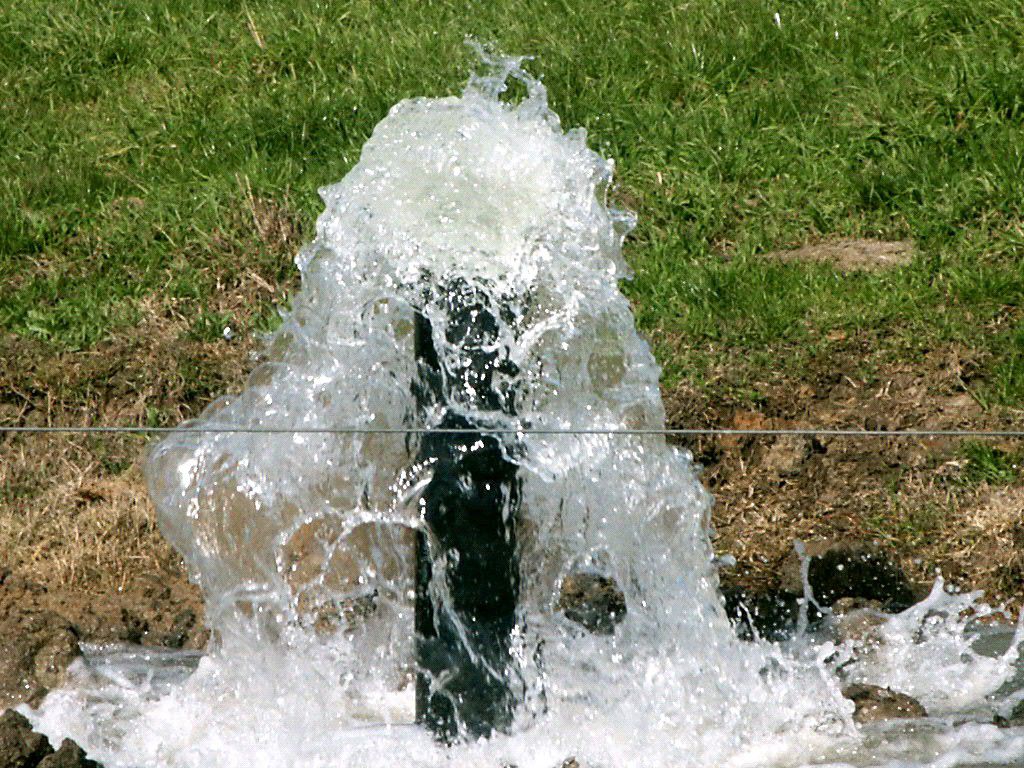
Water Borehole Drilling in Kenya – Access to clean and reliable water sources is essential for both rural and urban communities. In Kenya, water borehole drilling has become a vital solution to water scarcity. This article explores the steps involved before actual drilling, types of drilling rigs, main drilling companies in Kenya, and the advantages of clean drinking water. Additionally, we will discuss the necessary equipment for drilling and equipping a borehole.
Steps Before Actual Drilling
Before drilling a borehole, several critical steps must be taken to ensure success:
1. Hydrogeological Survey
First and foremost, a hydrogeological survey is essential. This study assesses the geological conditions and determines the most suitable location for drilling. Experts use various techniques, including geophysical surveys and historical data analysis, to identify potential water-bearing formations. Consequently, this step is crucial for ensuring the viability of the borehole.
2. Environmental Impact Assessment (EIA)
Subsequently, an Environmental Impact Assessment (EIA) is conducted to evaluate the potential environmental effects of the drilling project. This assessment ensures that the project complies with environmental regulations and helps mitigate any adverse impacts. As a result, the EIA plays a key role in promoting sustainable development.
3. Obtaining Permits
Next, obtaining the necessary permits from relevant authorities, such as the Water Resources Authority (WRA) in Kenya, is mandatory. These permits ensure that the project adheres to national water management policies and guidelines. Therefore, this step is vital for legal compliance and project legitimacy.
4. Site Preparation
Once the permits are obtained, the site is prepared for drilling. This involves clearing vegetation, setting up access roads, and ensuring that the necessary equipment and materials are available on-site. Consequently, proper site preparation facilitates smooth and efficient drilling operations.
Types of Drilling Rigs
Various types of drilling rigs are used in borehole drilling, each suitable for different conditions:
1. Percussion Drilling Rigs
Percussion rigs use a heavy bit to crush and penetrate rock formations. They are ideal for drilling in hard rock areas and are commonly used in rural regions with challenging geological conditions. Consequently, percussion rigs are highly effective in tough terrains.
2. Rotary Drilling Rigs
Rotary rigs use a rotating drill bit to cut through soil and rock. They are versatile and can be used in a wide range of geological conditions, making them suitable for both urban and rural areas. As a result, rotary rigs are popular for their adaptability.
3. Auger Drilling Rigs
Auger rigs use a helical screw to remove soil. They are primarily used for shallow boreholes in unconsolidated formations and are less suitable for hard rock drilling. Therefore, auger rigs are best for soft ground conditions.
4. Air Drilling Rigs
Air drilling rigs use compressed air to remove cuttings from the borehole. They are effective in dry, hard rock conditions and are commonly used in arid regions. Consequently, air drilling rigs are ideal for areas with limited water availability.
Main Drilling Companies in Kenya
Several reputable companies offer borehole drilling services in Kenya:
1. Davis & Shirtliff
Davis & Shirtliff is a leading water and energy solutions provider in Kenya. They offer comprehensive borehole drilling services, including hydrogeological surveys, drilling, and installation of pumping systems. Consequently, they are a trusted name in the industry.
2. Maji Drilling and Construction Ltd.
Maji Drilling specializes in water well drilling and pump installation. They have extensive experience in drilling boreholes in various geological conditions across Kenya. As a result, they are known for their reliability and expertise.
3. Aqua Borehole Services Ltd.
Aqua Borehole Services provides professional drilling services and water management solutions. They are known for their efficiency and use of modern drilling technology. Consequently, they are a preferred choice for many clients.
4. Rift Valley Machinery Services Ltd.
Rift Valley Machinery offers a range of drilling services and equipment rental. They are well-equipped to handle large-scale drilling projects in both urban and rural areas. Therefore, they are suitable for diverse project requirements.
Advantages of Clean Drinking Water
Access to clean drinking water brings numerous benefits to communities:
1. Improved Health
Firstly, clean water reduces the incidence of waterborne diseases such as cholera, dysentery, and typhoid, leading to better overall health and reduced healthcare costs. Consequently, it contributes to healthier communities.
2. Economic Growth
Secondly, reliable water sources boost agricultural productivity and support small businesses, contributing to economic growth and poverty reduction. Therefore, clean water is a catalyst for economic development.
3. Enhanced Education
Thirdly, access to clean water reduces the time spent collecting water, allowing children, especially girls, to attend school regularly and focus on their studies. Consequently, it promotes better educational outcomes.
4. Better Quality of Life
Finally, clean water improves the quality of life by providing households with a reliable water source for drinking, cooking, and sanitation. Therefore, it enhances daily living conditions for communities.
Equipment Needed for Drilling and Equipping a Borehole
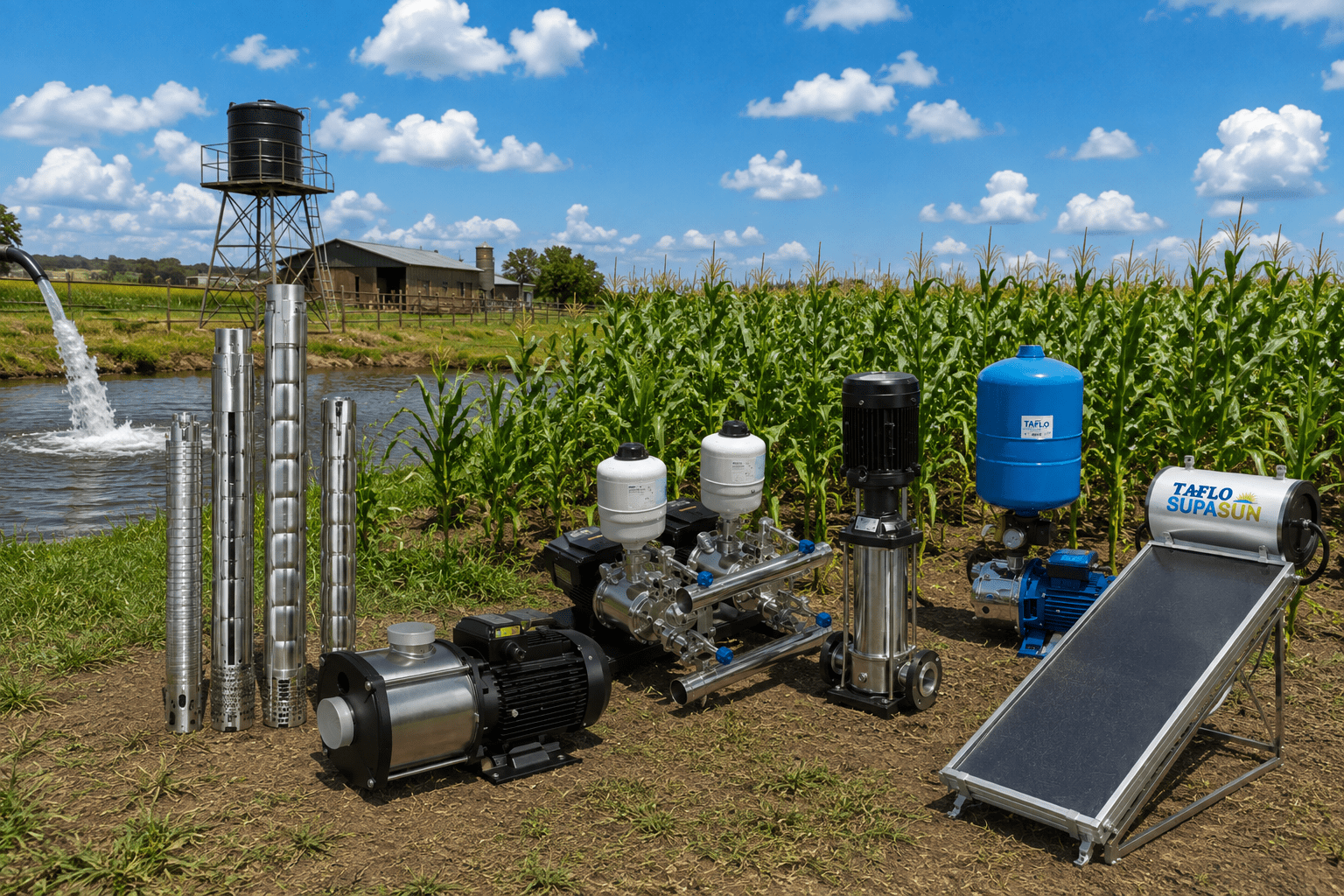
Successfully drilling and equipping a borehole requires various equipment and accessories:
1. Pumps
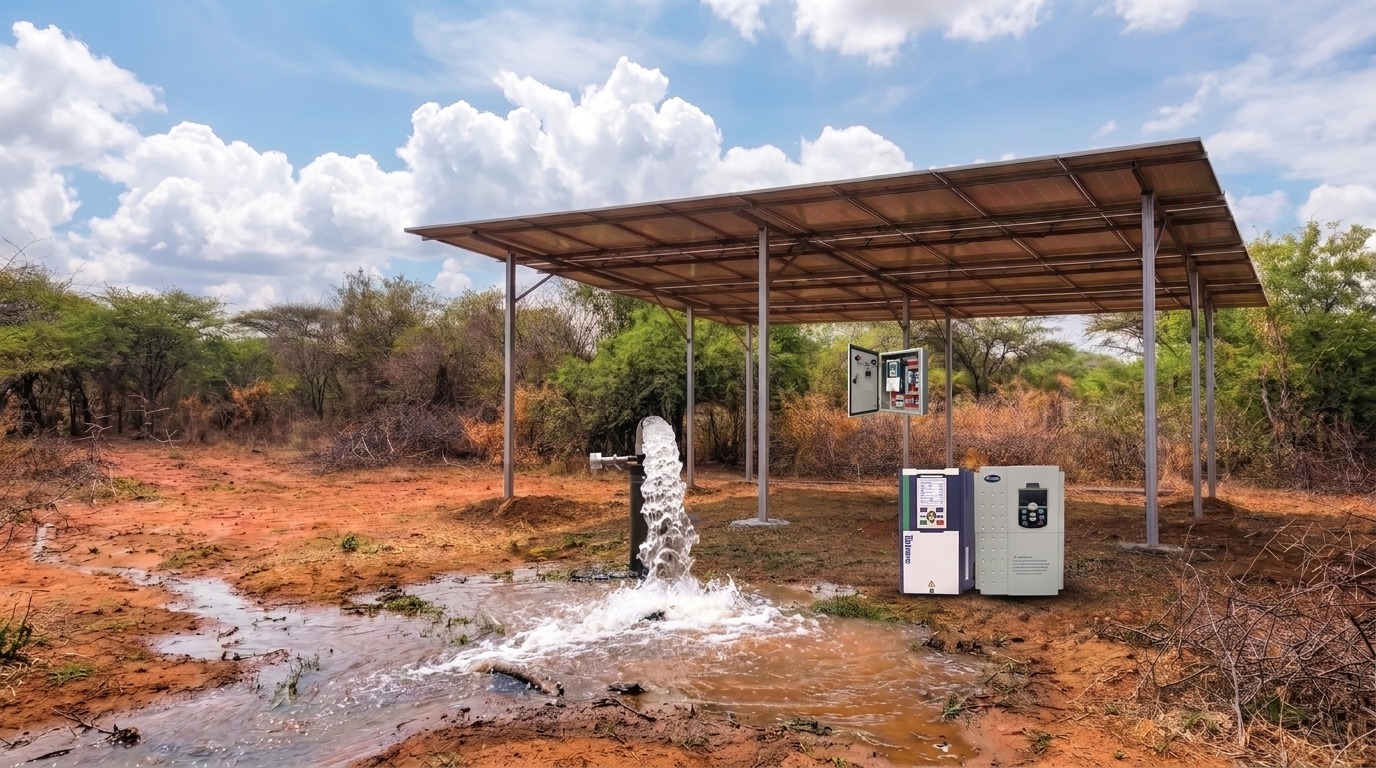
Submersible pumps are commonly used for boreholes. They are installed deep within the borehole to lift water to the surface. Consequently, they are essential for water extraction.
2. Motors
Electric motors power the pumps, providing the necessary energy to extract water from the borehole. Therefore, they are crucial for the pumping system’s functionality.
3. Pipes
PVC or steel pipes are used to line the borehole and transport water from the pump to the surface. Consequently, they ensure the integrity and flow of the water system.
4. Submersible Cables
These cables provide electrical power to the submersible pumps and are designed to operate underwater. Therefore, they are essential for connecting the power source to the pump.
5. Control Panels
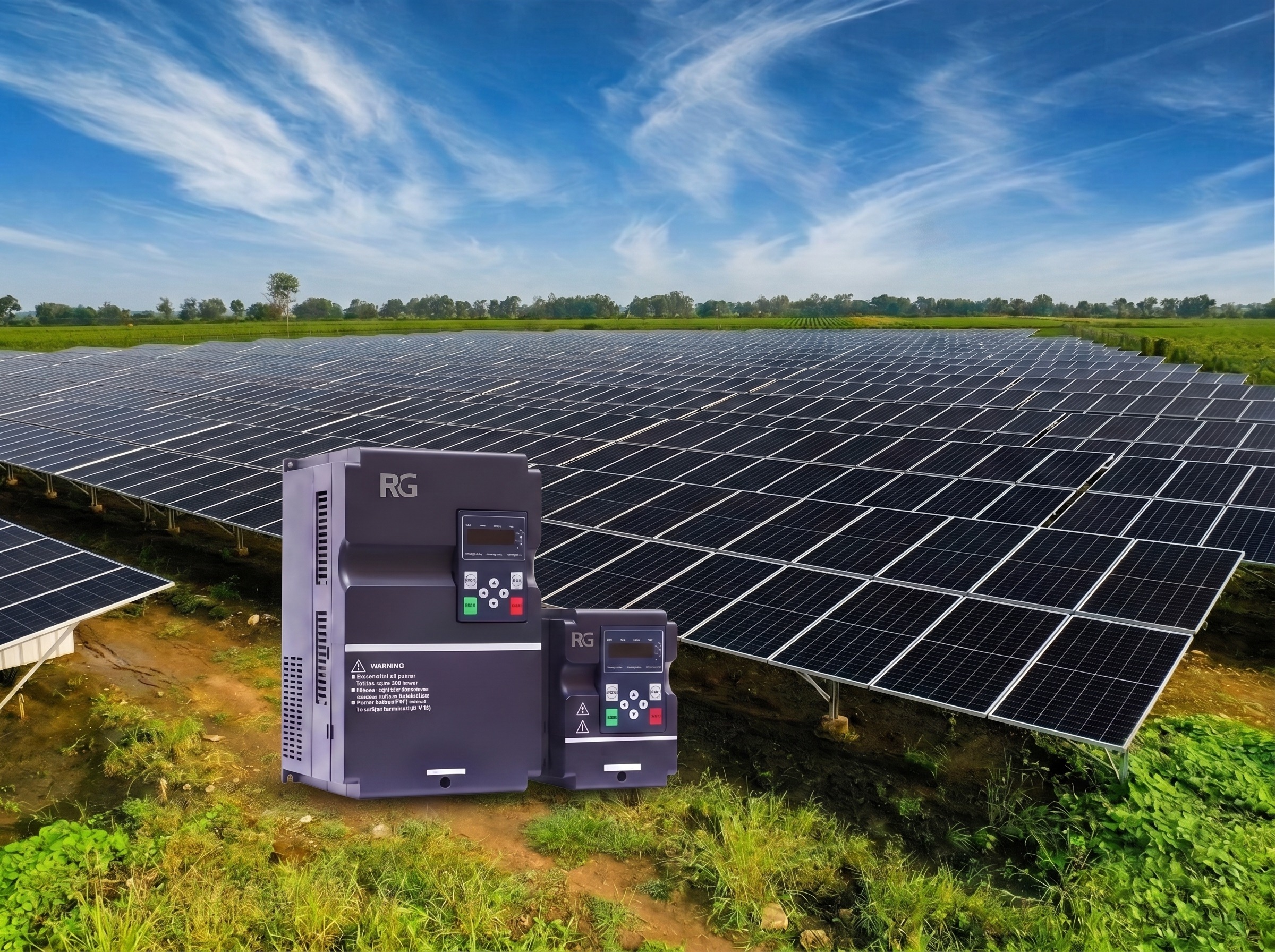
Control panels regulate the operation of the pump and motor, ensuring efficient and safe water extraction. Consequently, they are vital for system control and monitoring.
6. Pressure Tanks
Pressure tanks store water and help maintain consistent water pressure in the distribution system. Therefore, they are important for stable water supply.
7. Safety Rope
A safety rope is used to secure the pump and motor assembly, preventing accidental dropping during installation and maintenance. Consequently, it enhances safety during operations.
Conclusion
Water borehole drilling in Kenya is a crucial solution to water scarcity, providing clean and reliable water sources for both rural and urban communities. The process involves several steps, from hydrogeological surveys to site preparation, and utilizes various types of drilling rigs suitable for different geological conditions. Leading companies like Davis & Shirtliff, Maji Drilling, Aqua Borehole Services, and Rift Valley Machinery offer professional drilling services in Kenya.
Access to clean drinking water improves health, boosts economic growth, enhances education, and improves the overall quality of life. Properly equipping a borehole with pumps, motors, pipes, submersible cables, and other accessories ensures a reliable water supply. Embracing borehole drilling is a vital step towards sustainable water management and community development in Kenya.
Contact Us:
Website: – Click Here
WhatsApp | Call: +254 743 149 267 | + 254 738 352 258
Email Address: info@trendblend.co.ke | sales@trendblend.co.ke
Follow our IG: @TrendBlendHubKe