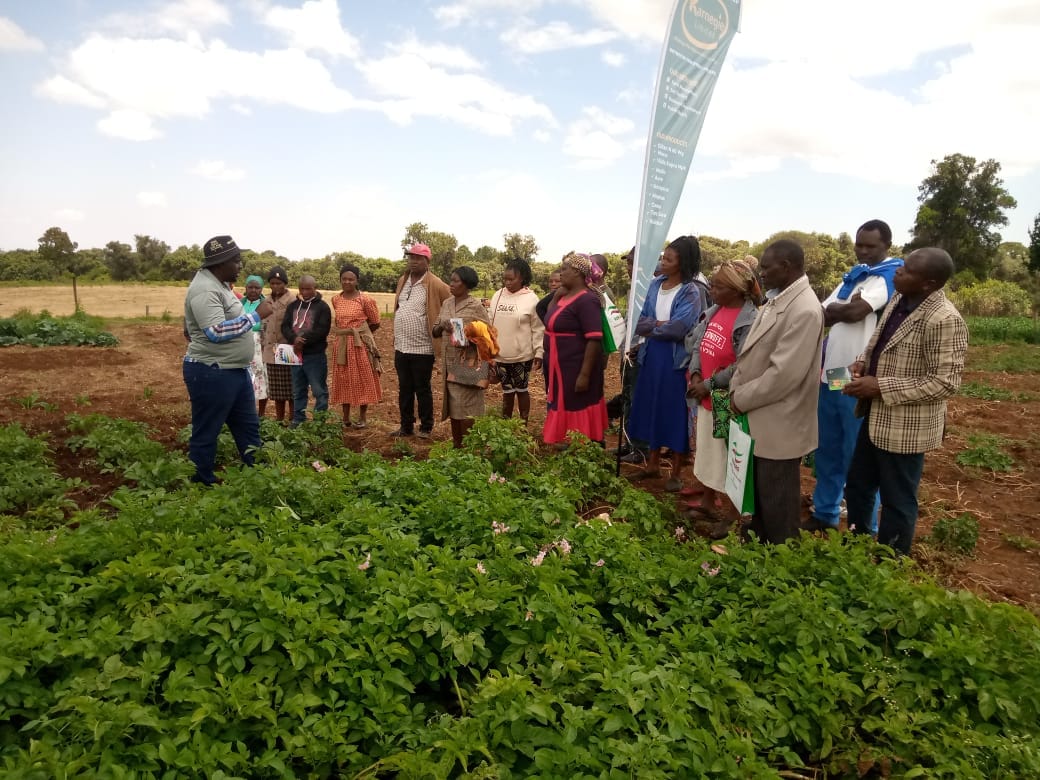

Farming continues to face pressure from climate change, rising food demand, and limited water resources. To overcome these challenges, farmers need solutions that balance productivity with sustainability. Smart irrigation offers that balance by helping farmers use water more efficiently while protecting the environment.
Efficient Use of Water
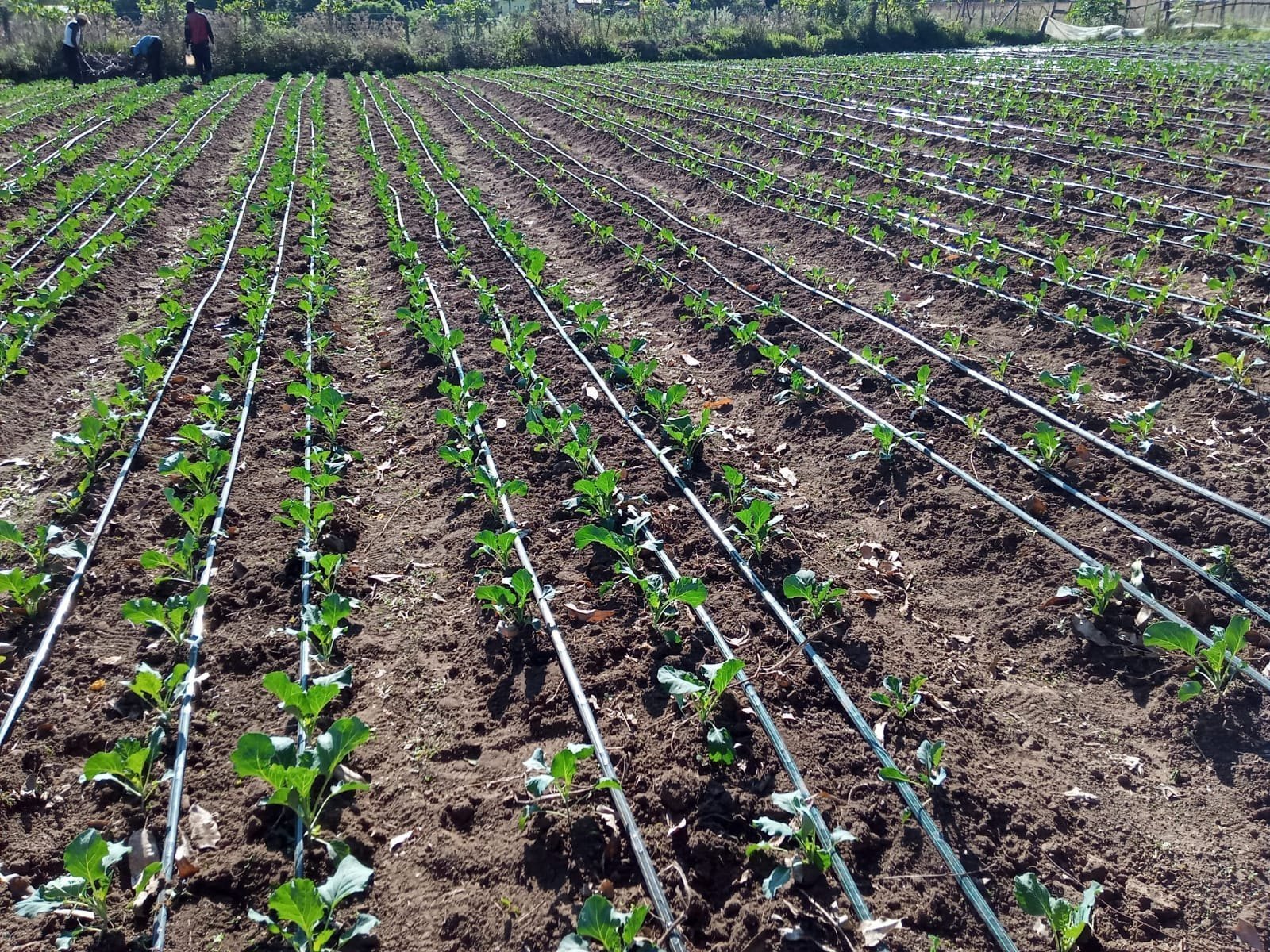
Smart irrigation systems supply water only when crops actually need it. Sensors measure soil moisture, weather conditions, and crop requirements in real time. As a result, farmers deliver the right amount of water directly to the roots. This approach prevents overwatering, conserves water, and ensures healthier crops.
Reduced Costs and Higher Yields
By managing water precisely, farmers lower costs associated with pumping and irrigation. Traditional methods often waste energy and water, but smart irrigation eliminates unnecessary use. Farmers save money on electricity or fuel while improving crop quality and yields. With higher output and reduced costs, profitability in farming increases significantly.
Integration With Clean Energy
The combination of smart irrigation and clean energy strengthens farming sustainability. Solar-powered pumping systems provide reliable water supply without depending on costly electricity or fuel. Farmers not only reduce their expenses but also cut carbon emissions. This integration helps create eco-friendly farming practices that support both present and future generations.
Supporting Smart Agriculture
Smart irrigation forms a key part of smart agriculture. Farmers can monitor and control systems through mobile apps or automated controllers. This technology gives them flexibility to adjust water usage anytime, ensuring crops stay healthy even during unpredictable weather. Moreover, farmers gain valuable data that guides better farming decisions over time.
Benefits for Communities
When farmers adopt smart irrigation, entire communities benefit. Reliable water management boosts food security, supports local economies, and reduces pressure on shared water resources. With sustainable farming practices in place, rural communities build resilience against droughts and climate change. In turn, families enjoy better livelihoods and access to affordable food.
Conclusion
Sustainable farming requires innovative solutions, and smart irrigation provides exactly that. By combining technology with clean energy, farmers use water wisely, reduce costs, and protect the environment. The shift toward smart irrigation secures higher yields and long-term sustainability. Farmers who adopt these systems today invest in a brighter, water-smart future tomorrow.